
Catalog · 78 cards
Tarot Card Meanings
Here you’ll find every card in the deck: 22 Major Arcana and 56 Minor Arcana. Each card has its own page covering its upright and reversed meanings, love and feelings, career and money, a yes or no answer, combinations with other cards, and a look at the symbolism of the author’s deck.
- 22 Major Arcana
- 56 Minor Arcana
- 4 suits
- Upright and reversed
How the deck is structured and how to read the meanings
A classic tarot deck has 78 cards and is divided into two parts. The Major Arcana (22 cards from The Fool to The World) describe life’s big themes: choosing a path, crises, love, growing up, closing chapters. The Minor Arcana (56 cards in four suits) show everyday events, feelings, decisions and circumstances.
Each suit is linked to an element and an area of life: Wands are Fire, energy and beginnings; Cups are Water, feelings and relationships; Swords are Air, thoughts and conflicts; Pentacles are Earth, money, work and the body.
A card’s meaning always depends on three things: the question, its position in the spread, and whether it came up upright or reversed. A reversed card doesn’t mean “bad”; more often it says the card’s energy is blocked, weakened or turned inward. That’s why on every page we give both positions and look separately at love, career, money and health.
All tarot cards
Click a card to open its full meaning. Under each name you’ll see the card’s key idea and a short yes or no answer.
Major Arcana
22 cards · life’s big themes-
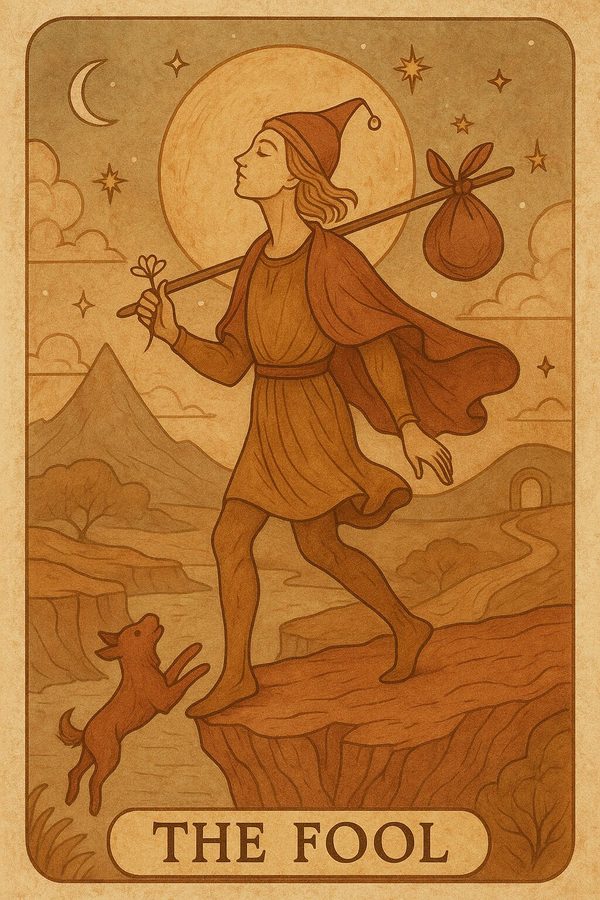 0 The Fool
The Fool is a card of beginnings, freedom and a step into the unknown
Yes/No: Yes
-
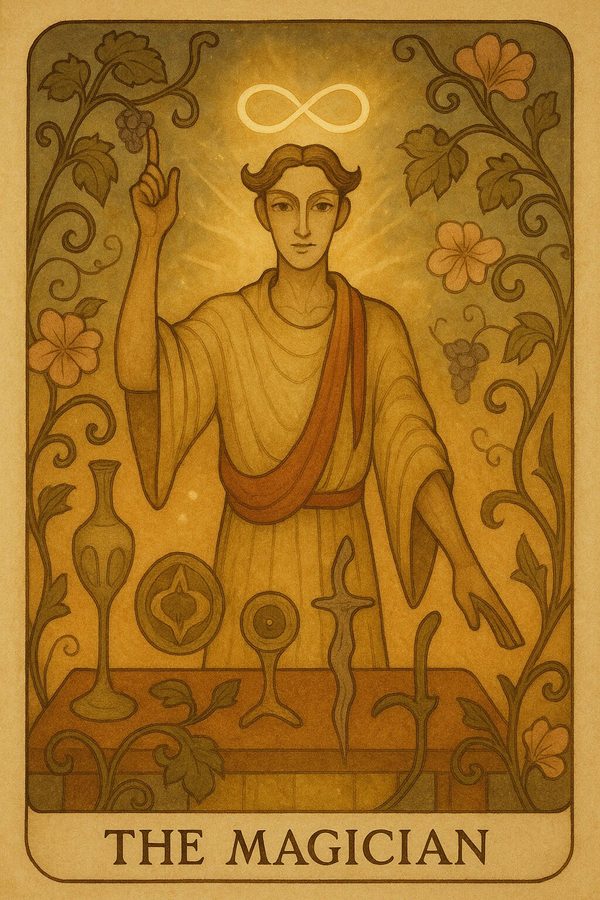 I The Magician
The Magician is a card of will, skill and action
Yes/No: Yes
-
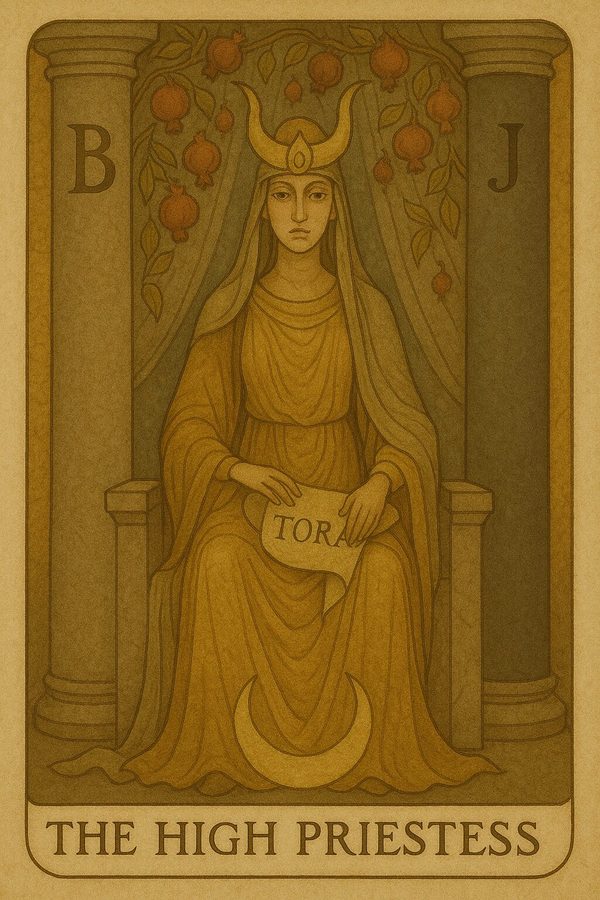 II The High Priestess
The High Priestess is a card of hidden knowledge, intuition and patience
Yes/No: Not clear yet
-
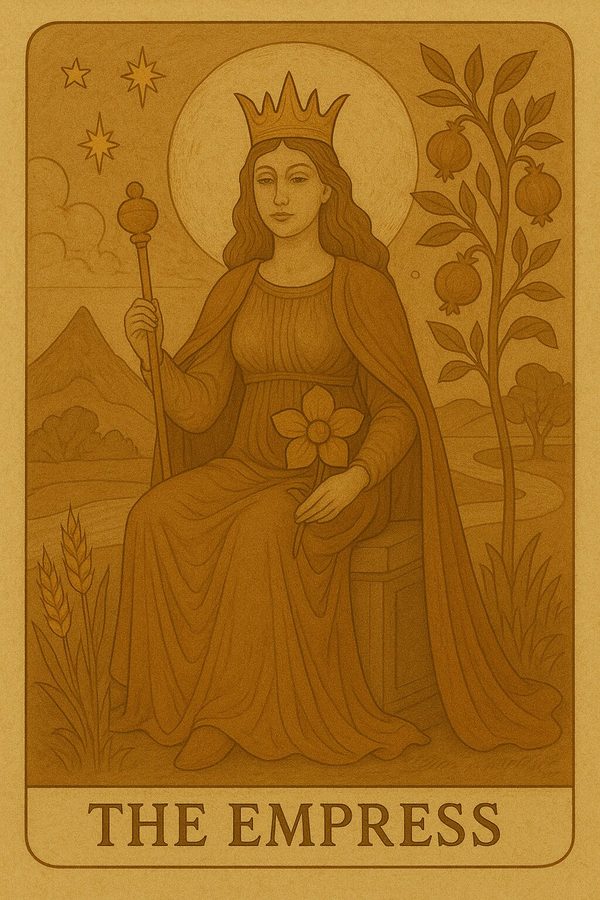 III The Empress
The Empress is a card of abundance, care and growth
Yes/No: Yes
-
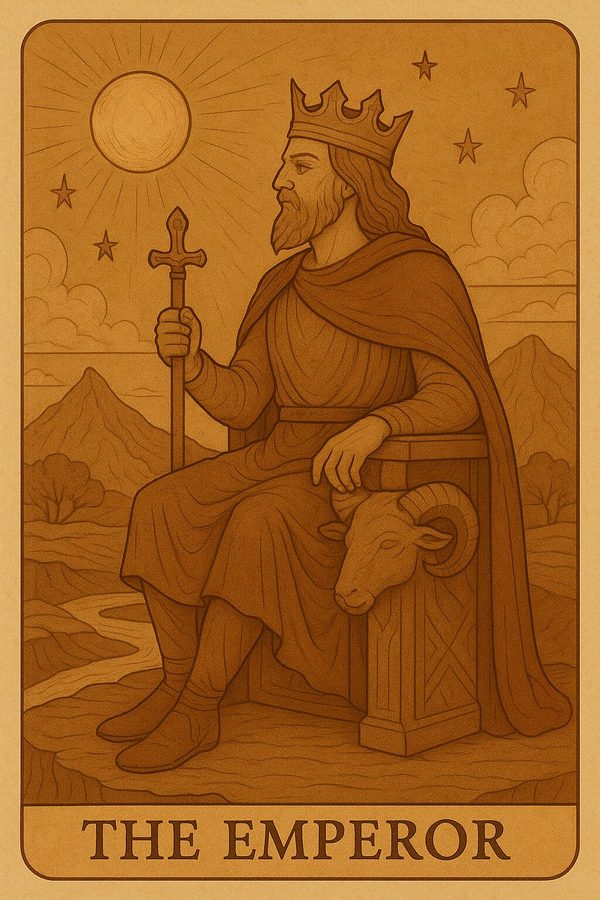 IV The Emperor
The Emperor is a card of order, authority and responsibility
Yes/No: Yes
-
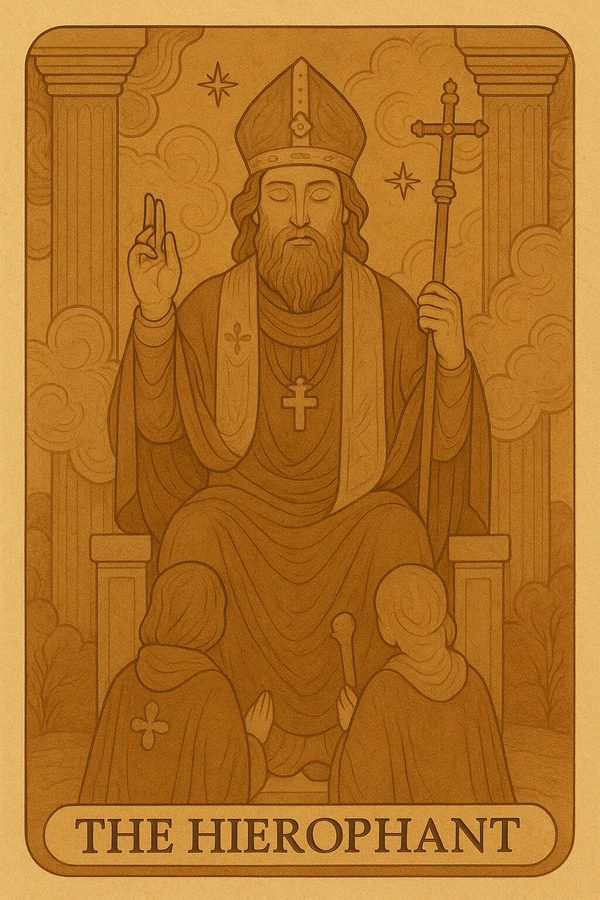 V The Hierophant
The Hierophant is a card of tradition, teaching and shared rules
Yes/No: Likely yes
-
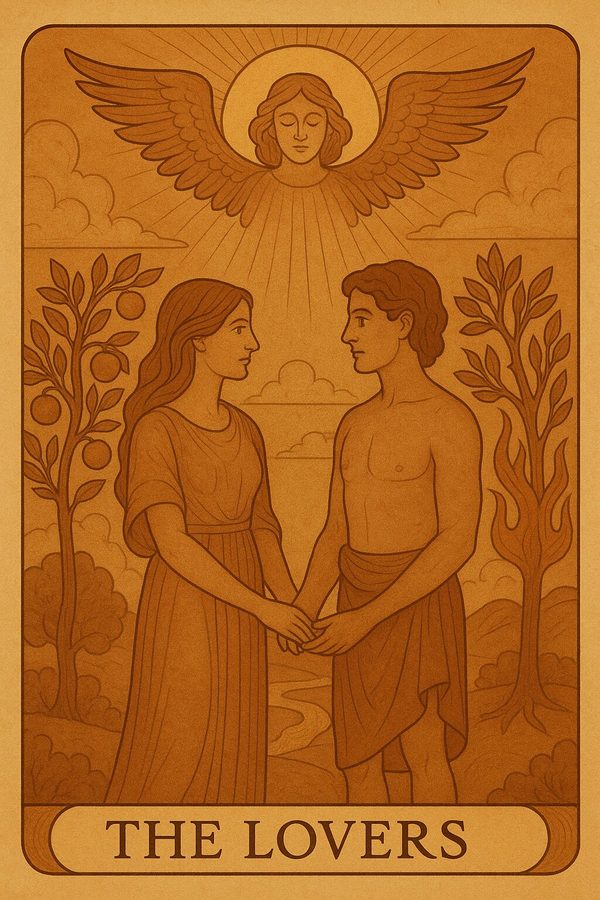 VI The Lovers
The Lovers is a card of love, union and choice
Yes/No: Yes
-
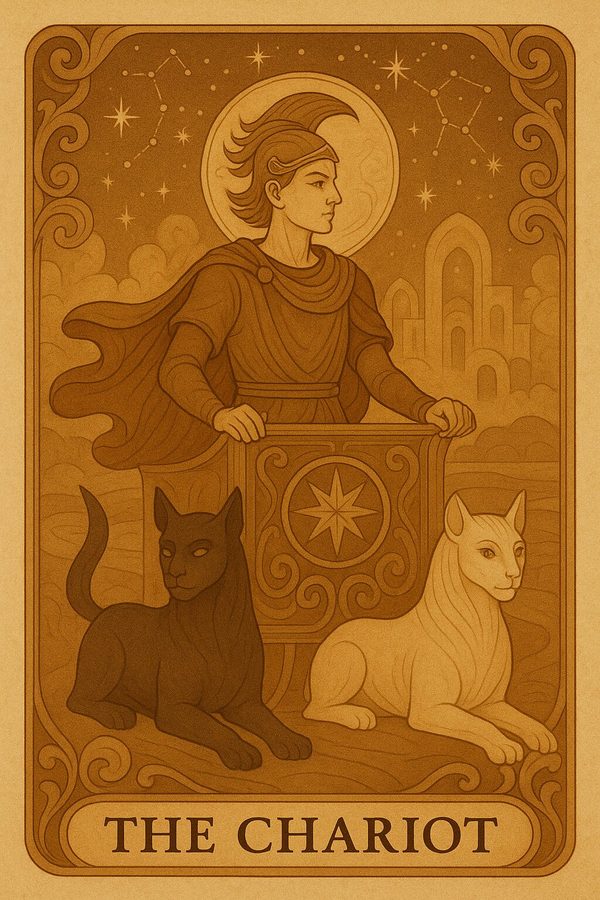 VII The Chariot
The Chariot is a card of movement, willpower and victory
Yes/No: Yes
-
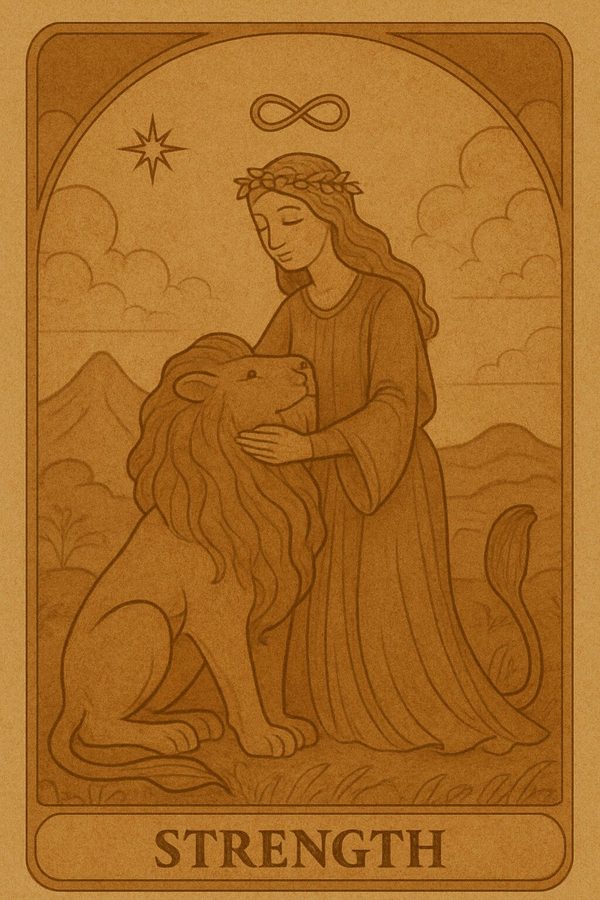 VIII Strength
Strength is a card of gentle power, patience and self-control
Yes/No: Yes
-
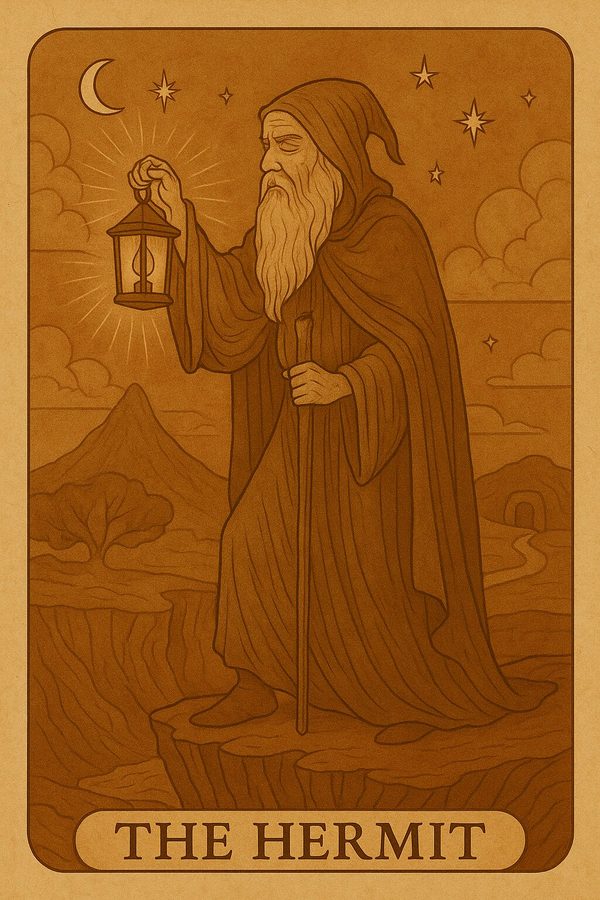 IX The Hermit
The Hermit is a card of solitude, the search for truth and inner wisdom
Yes/No: Likely no
-
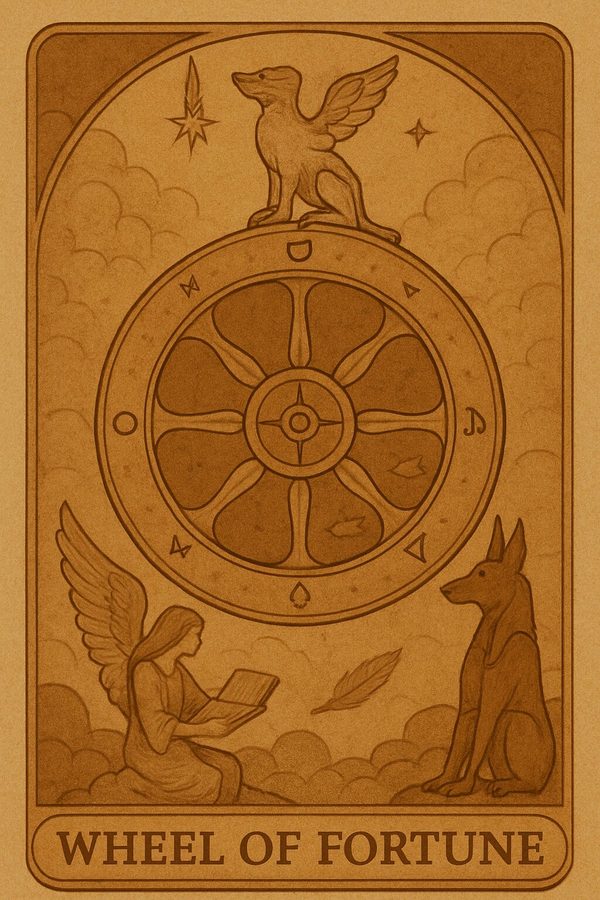 X Wheel of Fortune
Wheel of Fortune is the card of change, fate and turning points
Yes/No: Likely yes
-
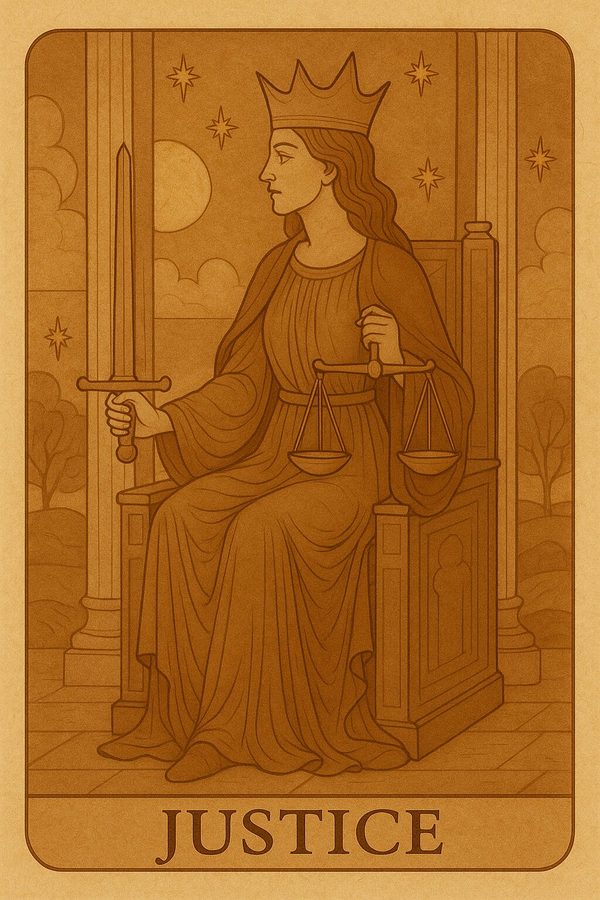 XI Justice
Justice is a card of truth, balance and consequences
Yes/No: It depends on you
-
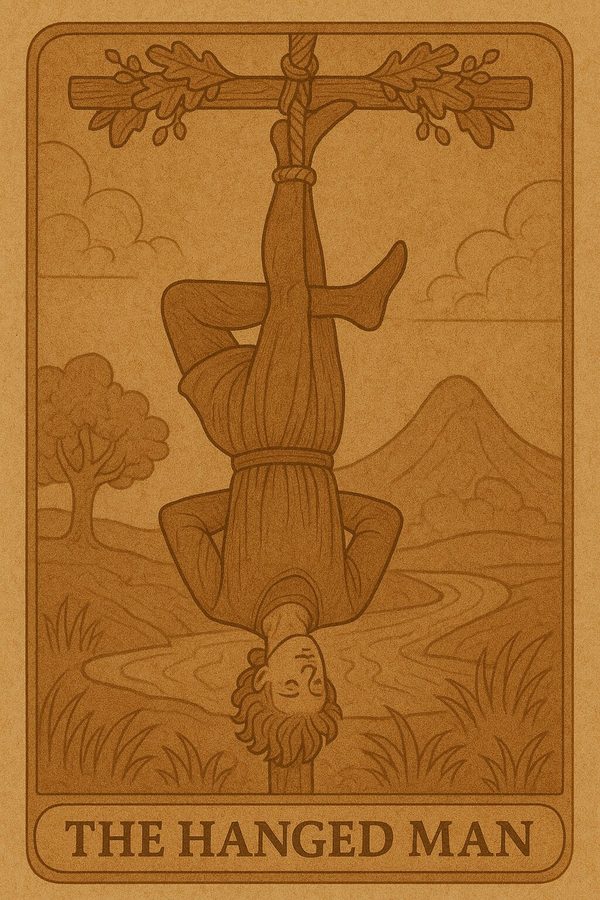 XII The Hanged Man
The Hanged Man is a card of pause, sacrifice and a fresh perspective on the situation
Yes/No: Not yet
-
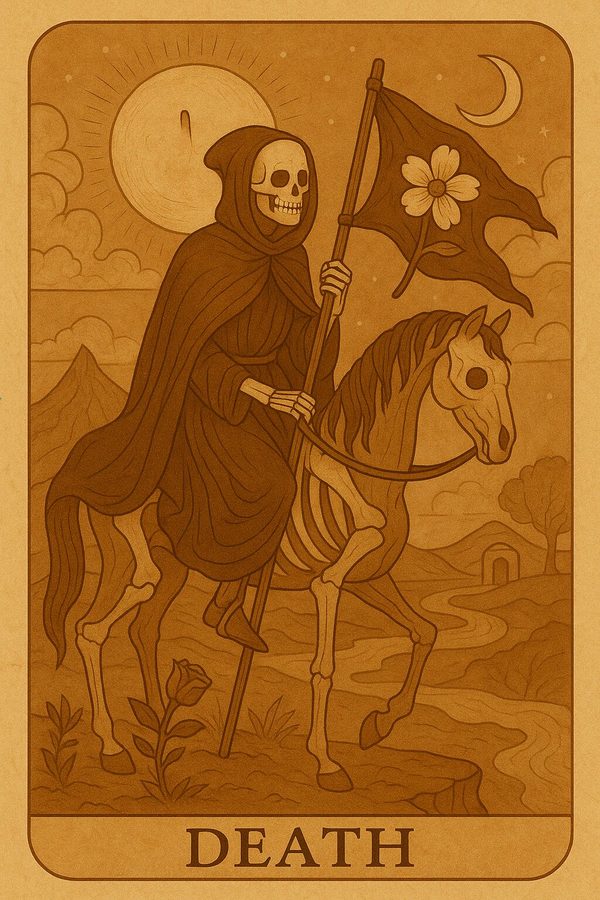 XIII Death
Death is a card of endings and transition, not physical death
Yes/No: Likely no
-
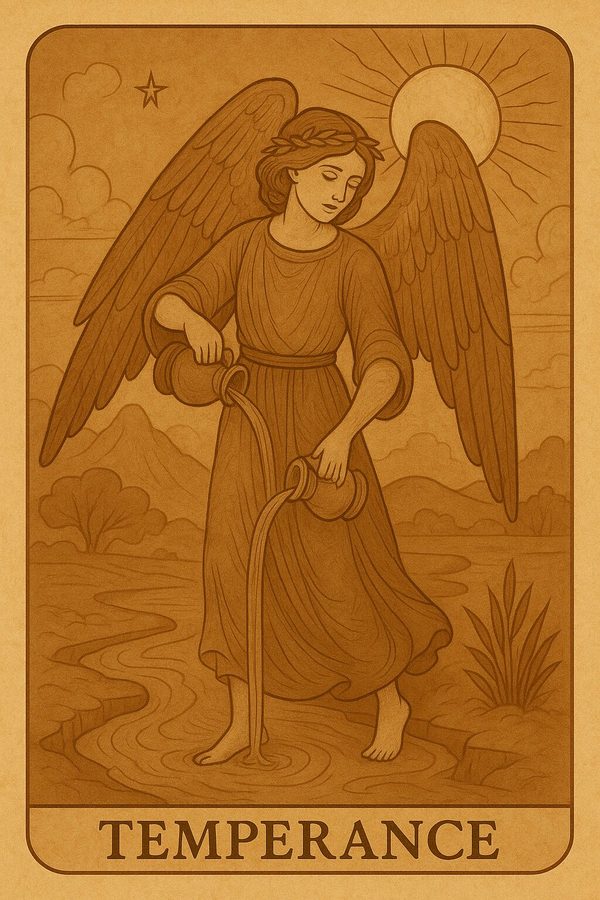 XIV Temperance
Temperance is a card of harmony, patience and the golden mean
Yes/No: Likely yes
-
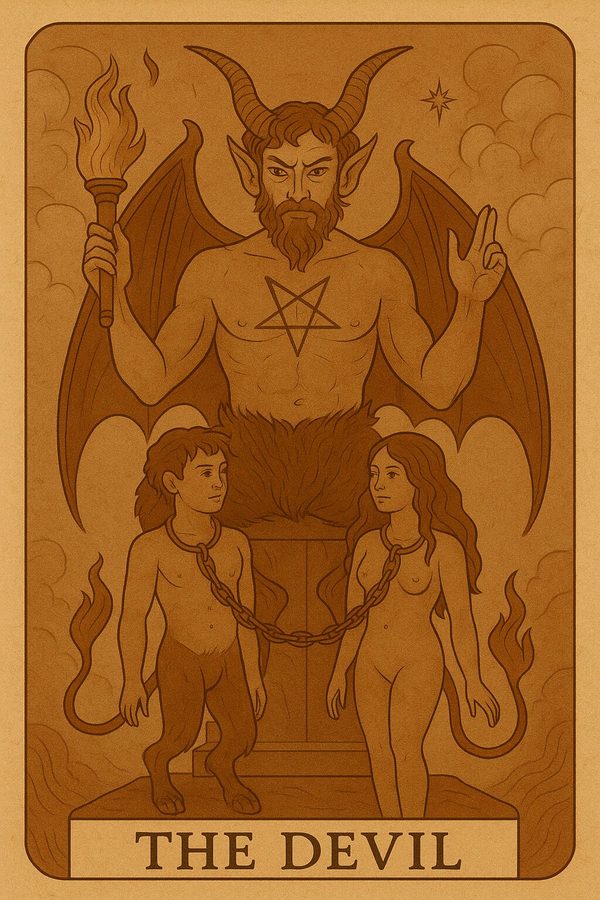 XV The Devil
The Devil is a card of temptation, addiction and hidden desires
Yes/No: No
-
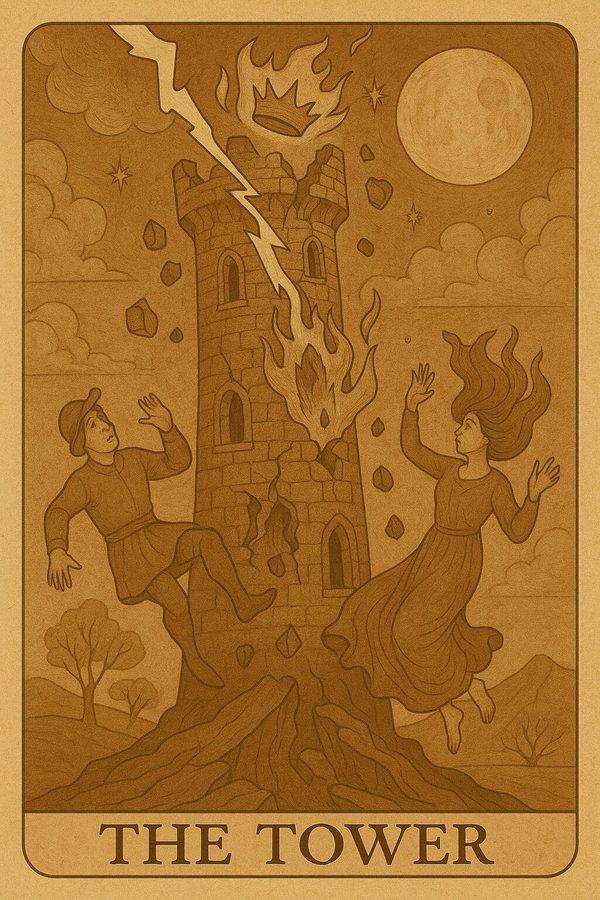 XVI The Tower
The Tower is a card of sudden change, destruction and revelation
Yes/No: No
-
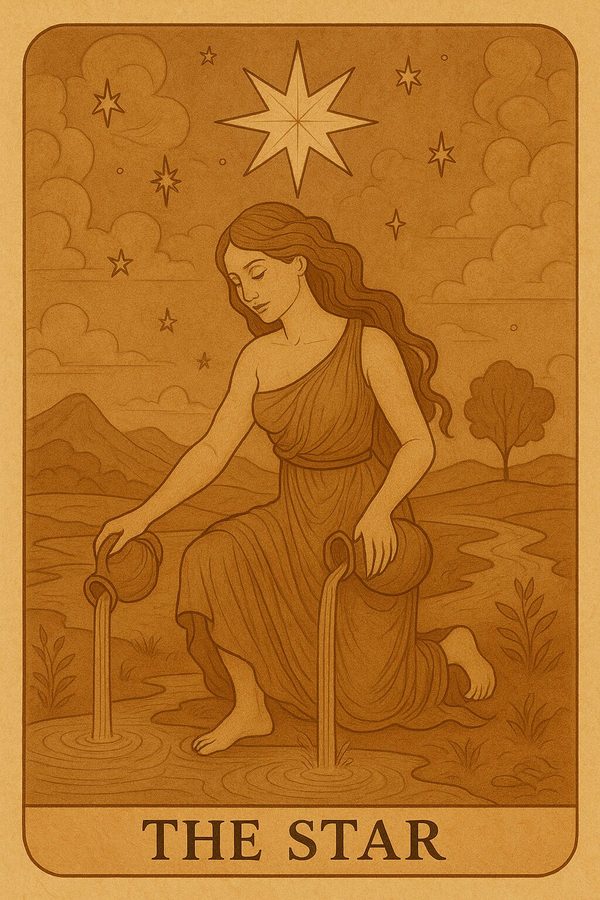 XVII The Star
The Star is a card of hope, inspiration and healing
Yes/No: Yes
-
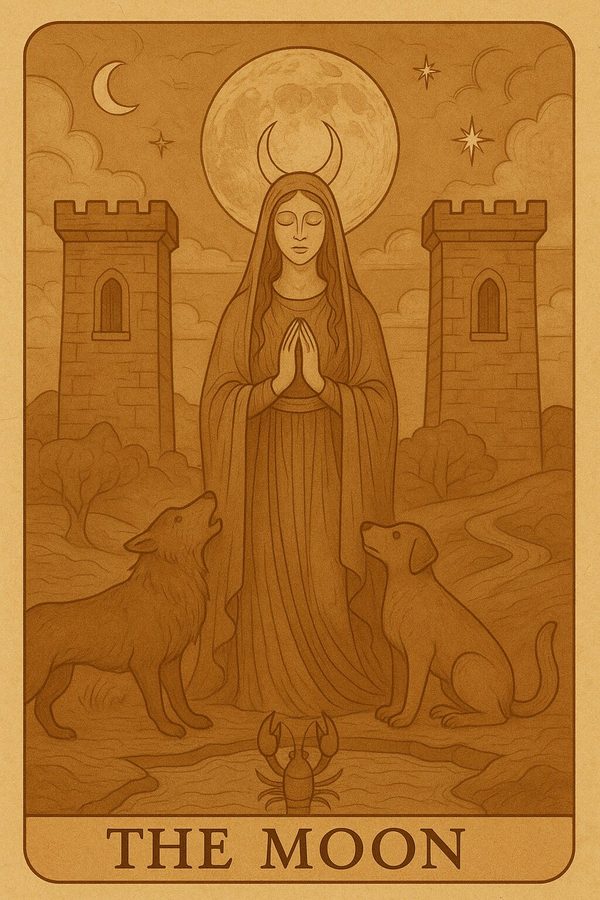 XVIII The Moon
The Moon is a card of illusions, fears and intuition
Yes/No: Likely no
-
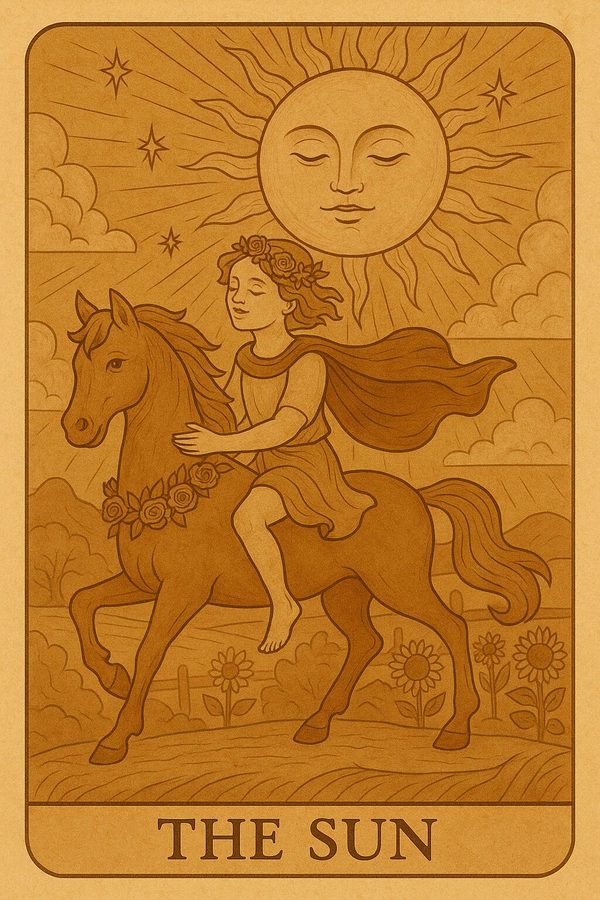 XIX The Sun
The Sun is a card of joy, success and clarity
Yes/No: Yes
-
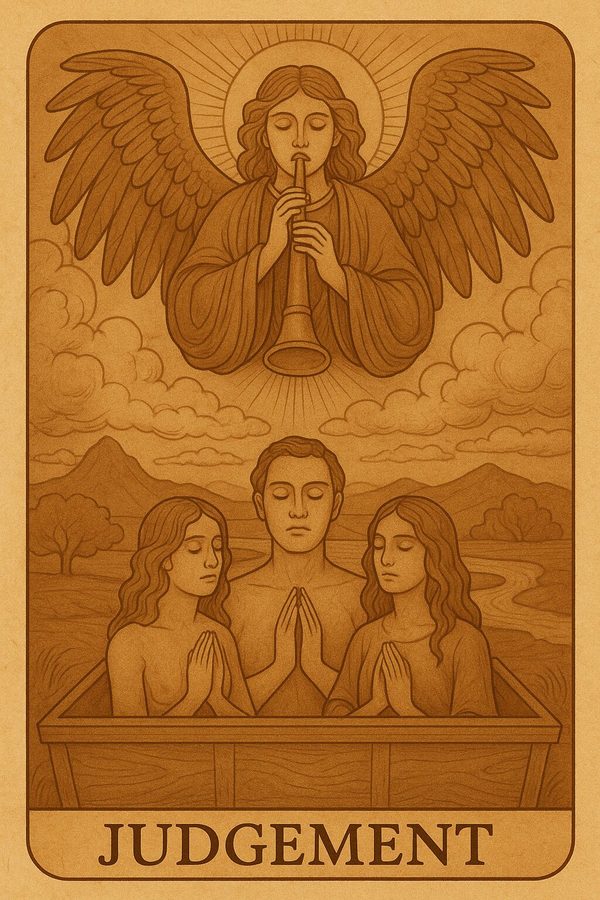 XX Judgement
Judgement is a card of awakening, reckoning and second chances
Yes/No: Yes
-
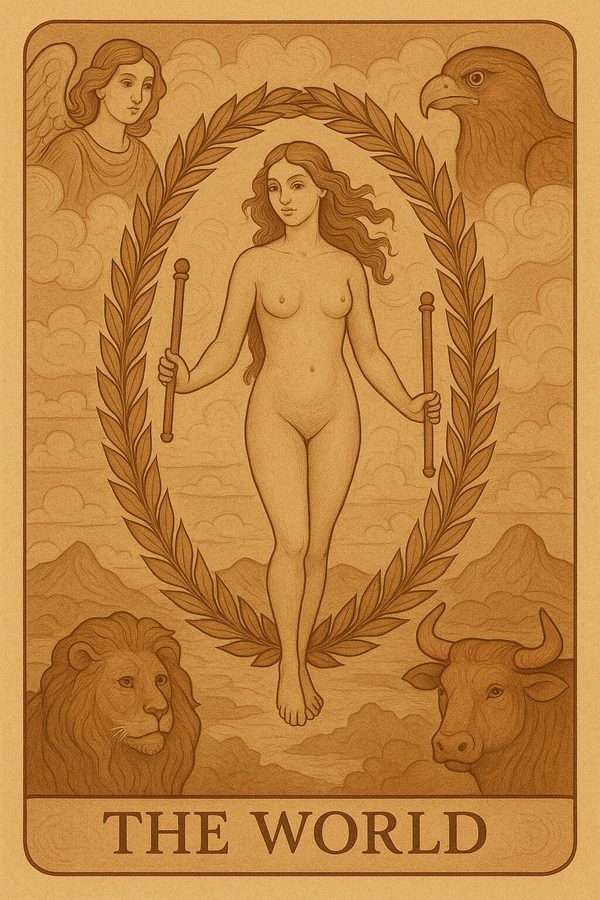 XXI The World
The World is a card of completion, wholeness and success
Yes/No: Yes
Wands
Fire · energy, will, beginnings-
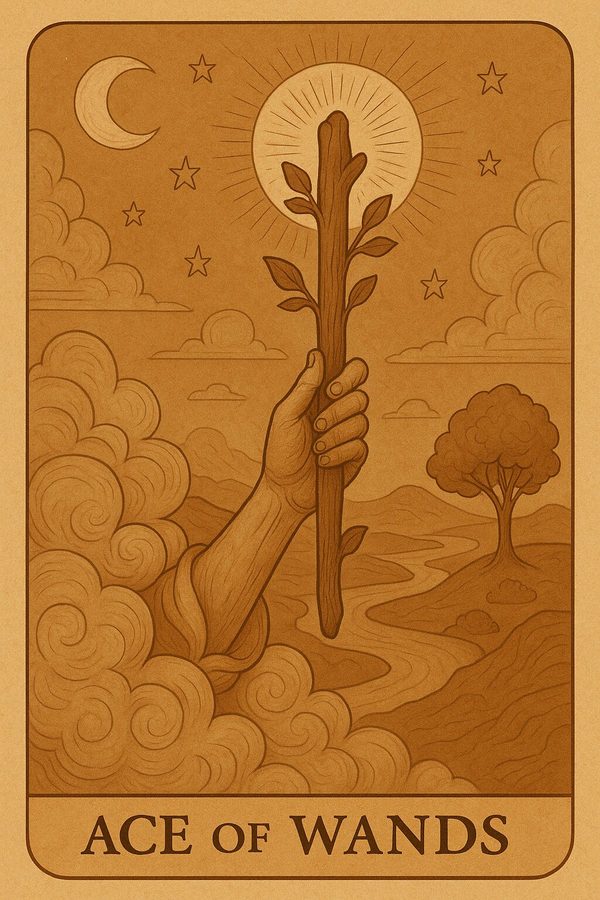 Ace of Wands
The Ace of Wands is a spark: a new idea, a desire, a surge of energy
Yes/No: Yes
-
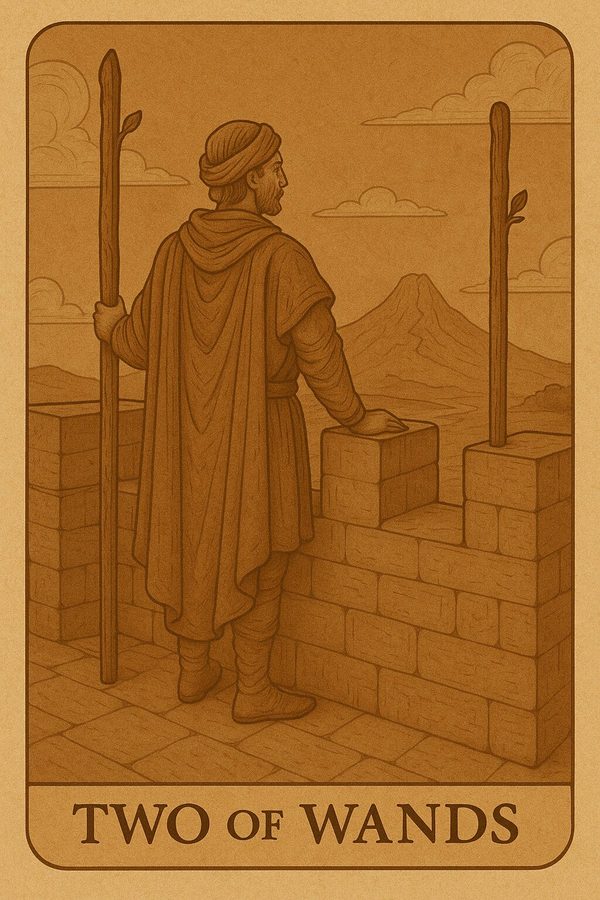 Two of Wands
The Two of Wands is the moment of choosing a direction
Yes/No: Likely yes
-
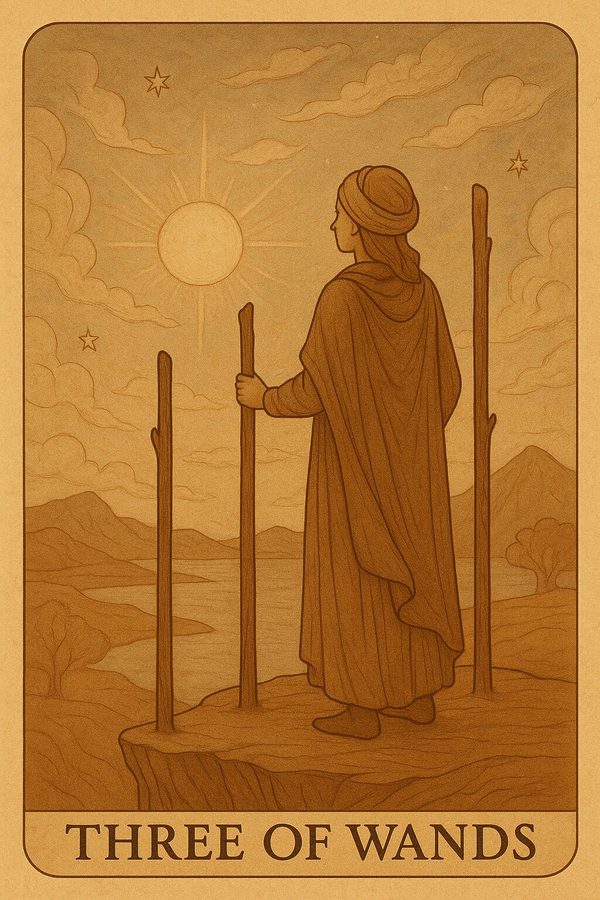 Three of Wands
The Three of Wands is waiting for results once the first steps have been taken
Yes/No: Yes
-
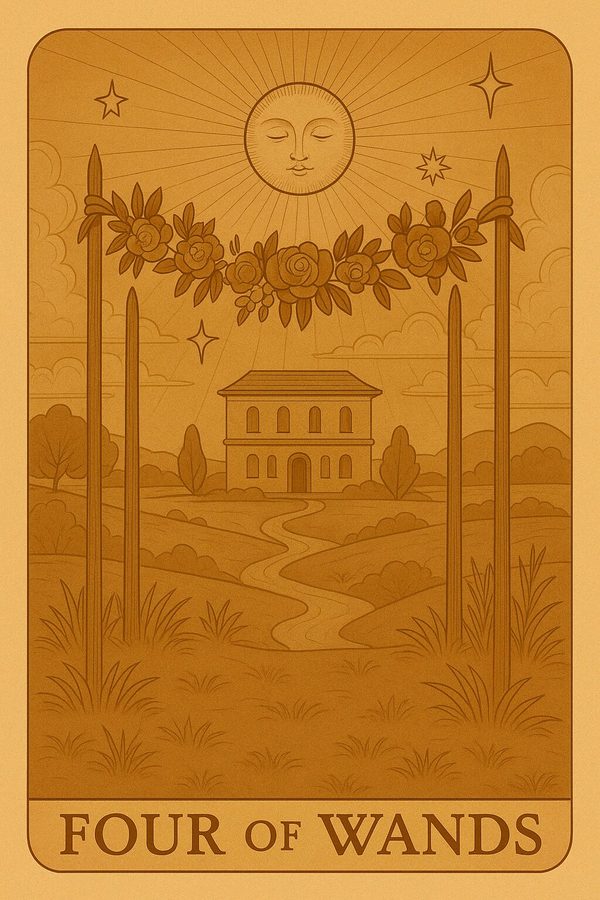 Four of Wands
The Four of Wands stands for celebration, home and the first lasting victory
Yes/No: Yes
-
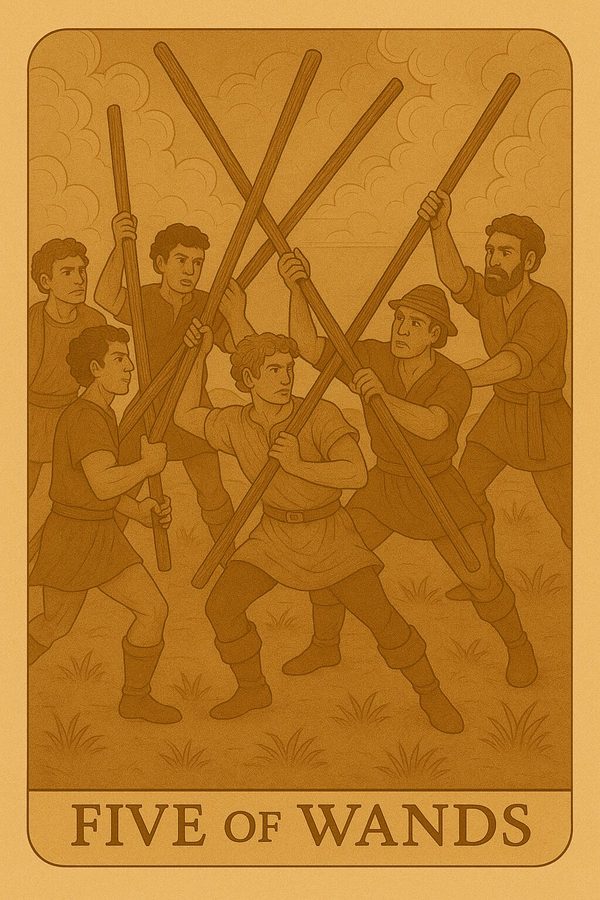 Five of Wands
The Five of Wands stands for rivalry, arguments and confusion
Yes/No: Likely no
-
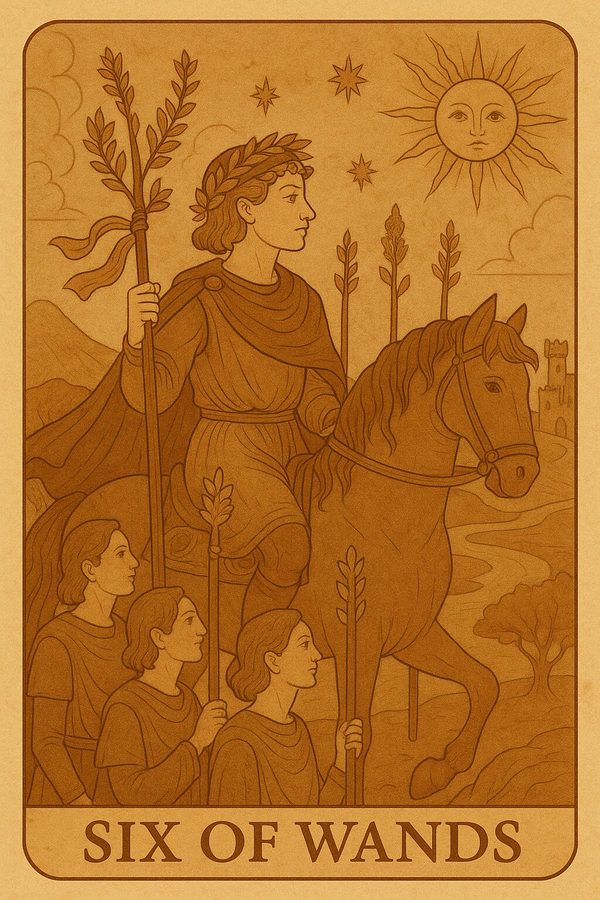 Six of Wands
The Six of Wands is victory and recognition
Yes/No: Yes
-
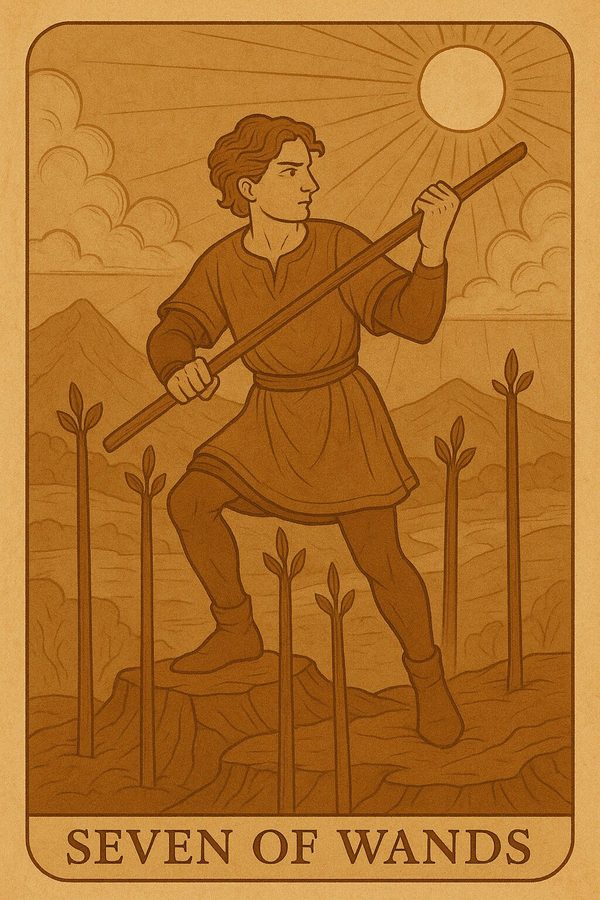 Seven of Wands
The Seven of Wands is about defense
Yes/No: Likely yes
-
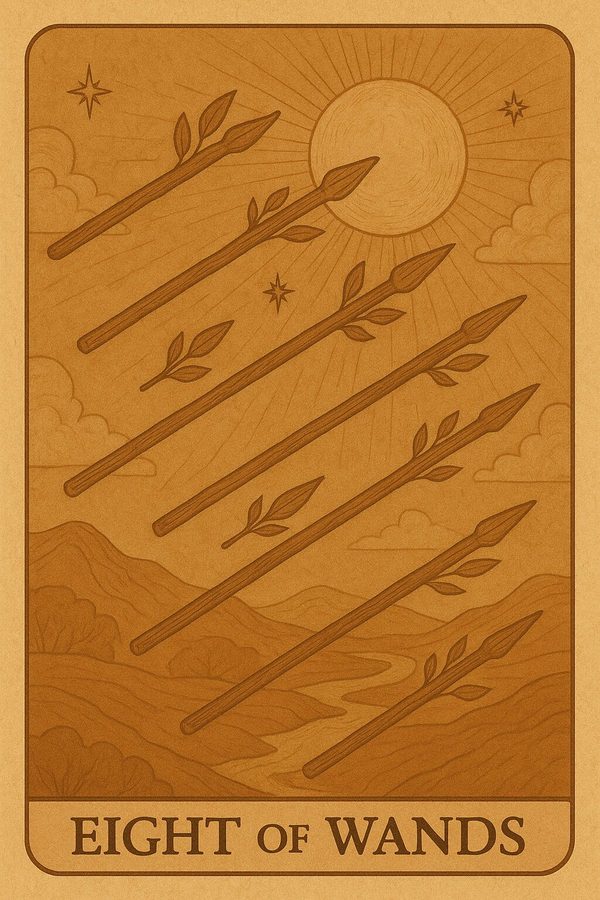 Eight of Wands
The Eight of Wands stands for speed and movement
Yes/No: Yes
-
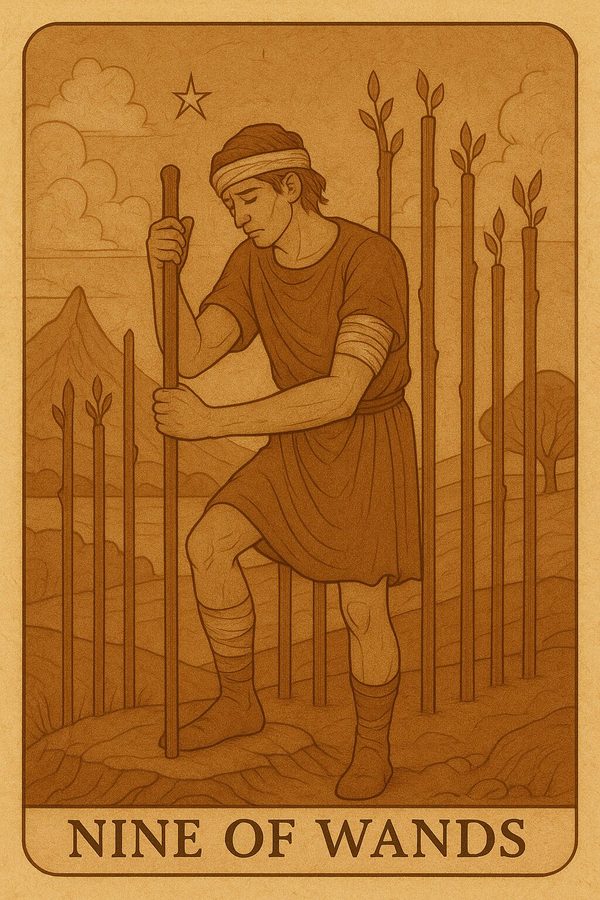 Nine of Wands
The Nine of Wands is the last line of defense
Yes/No: Likely yes
-
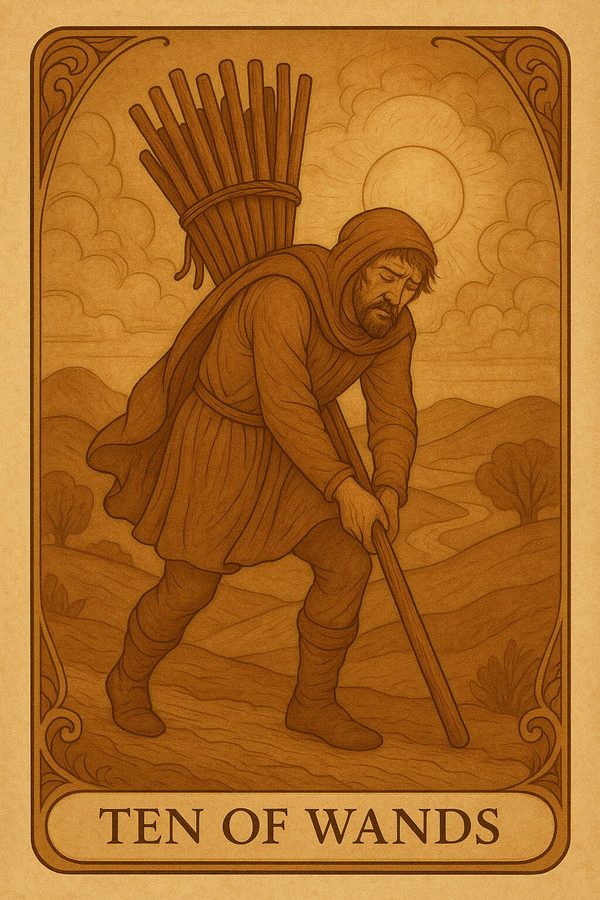 Ten of Wands
The Ten of Wands is overload
Yes/No: Likely no
-
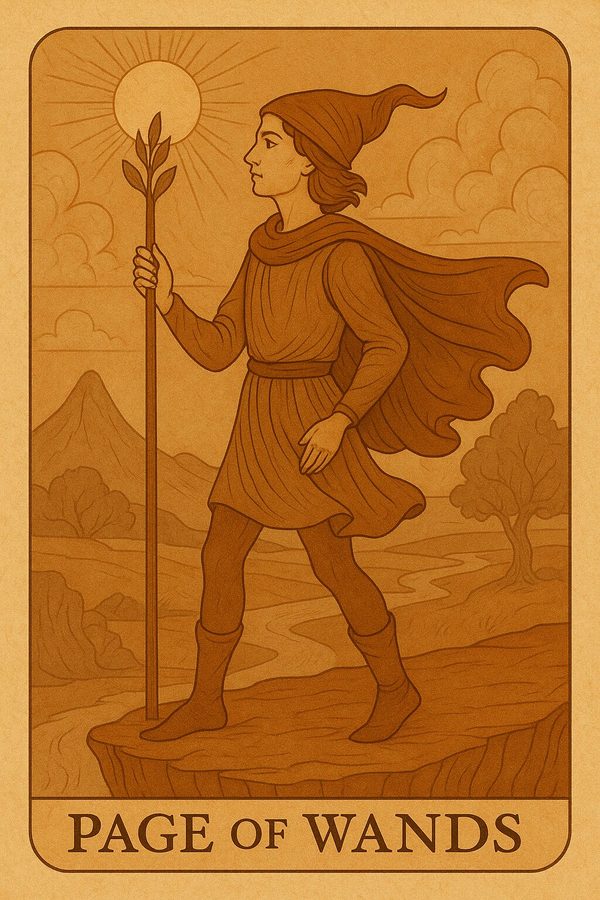 Page of Wands
The Page of Wands is curiosity and a thirst for the new
Yes/No: Yes
-
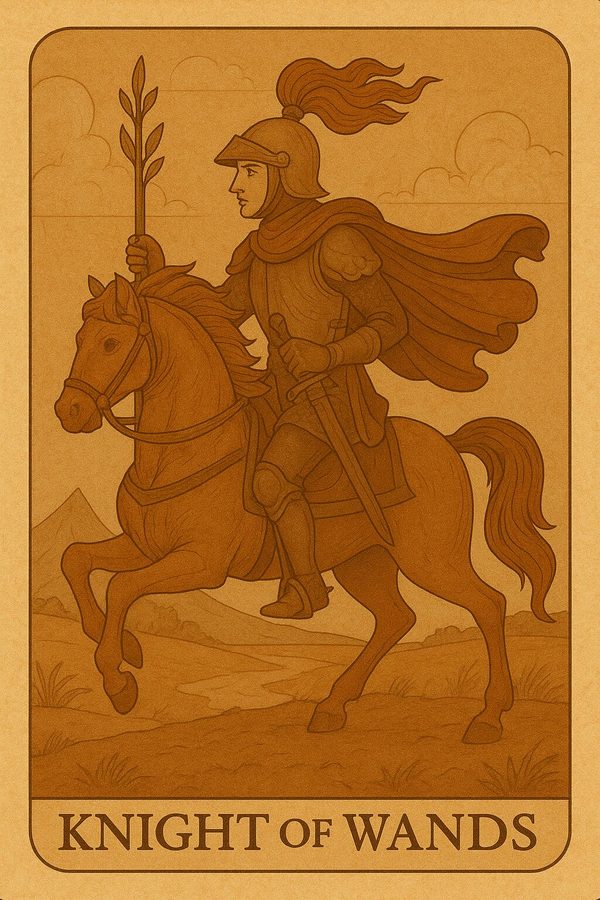 Knight of Wands
The Knight of Wands is impulse and action
Yes/No: Yes
-
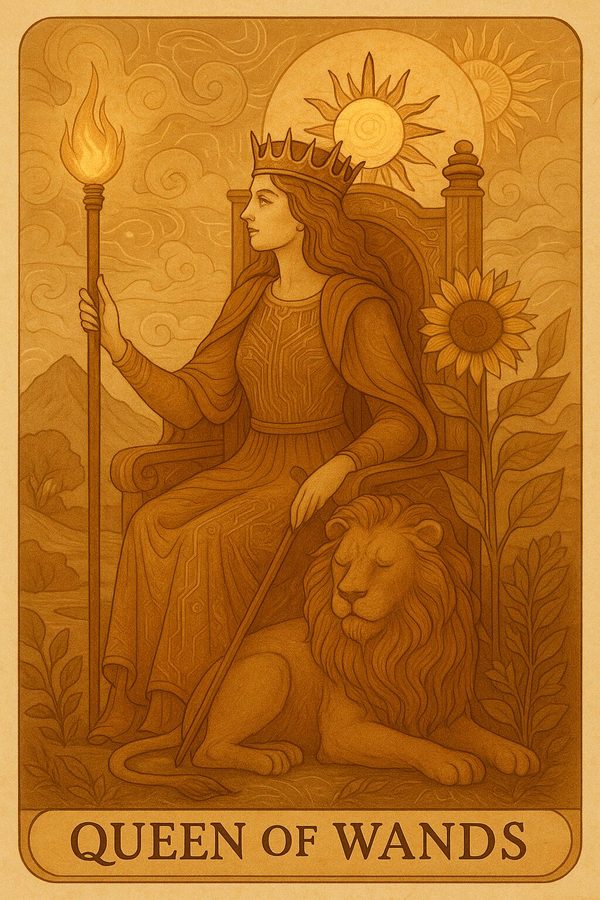 Queen of Wands
The Queen of Wands is confidence, charm and warm strength
Yes/No: Yes
-
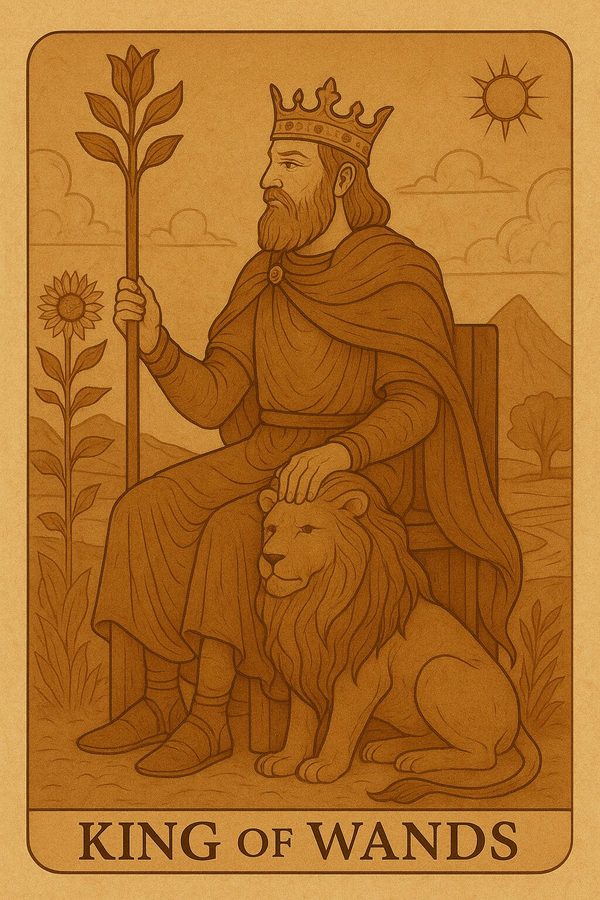 King of Wands
The King of Wands is a leader with vision
Yes/No: Yes
Cups
Water · feelings, relationships, intuition-
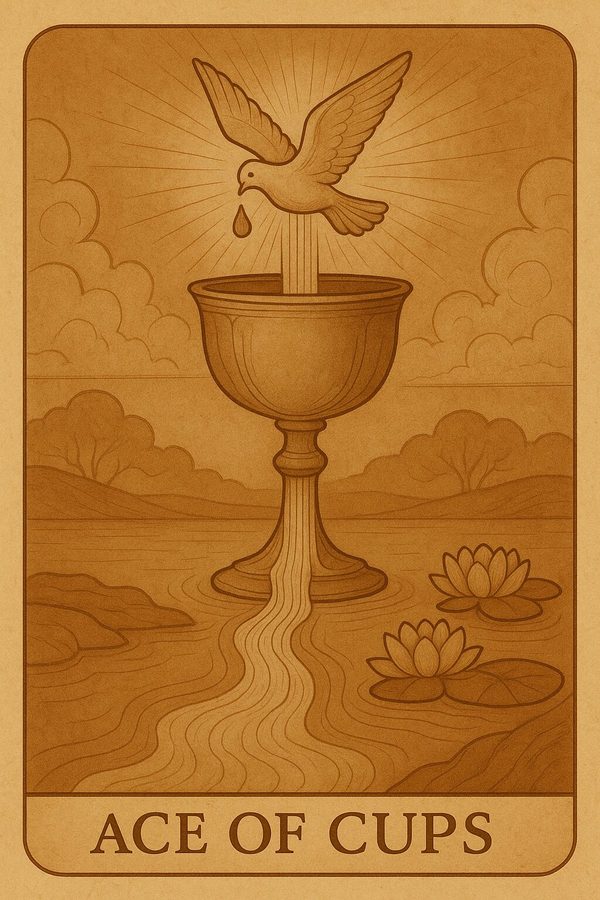 Ace of Cups
The Ace of Cups is the beginning of a feeling
Yes/No: Yes
-
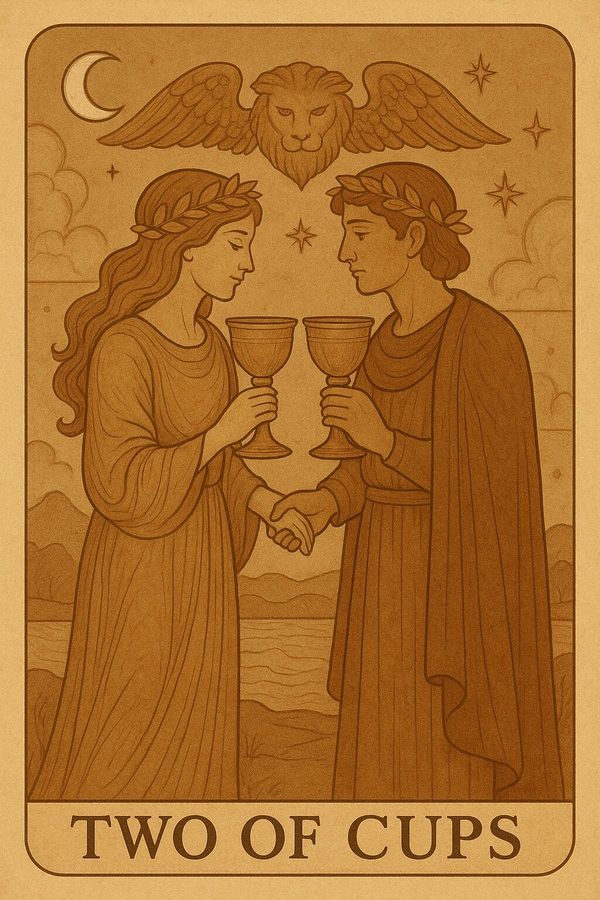 Two of Cups
The Two of Cups is the union of two people
Yes/No: Yes
-
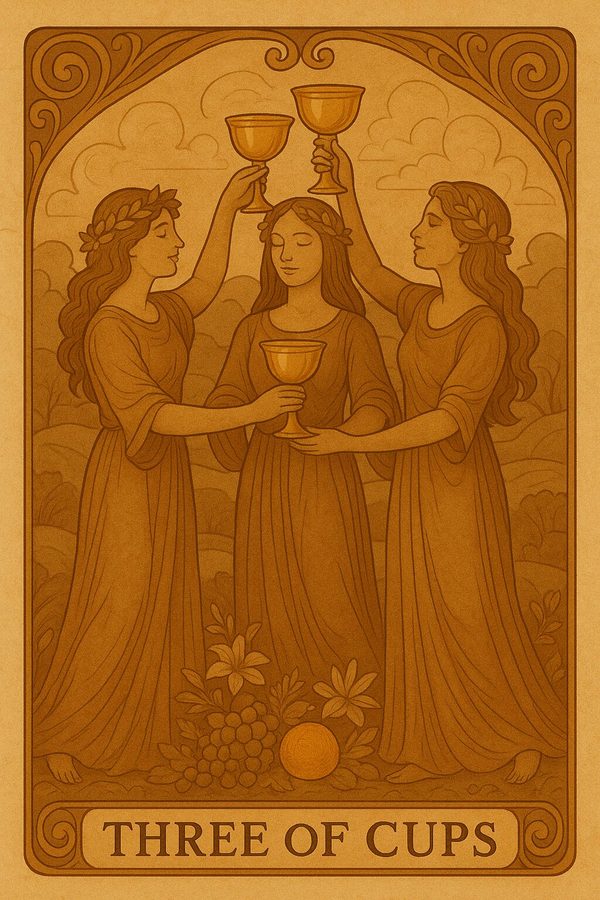 Three of Cups
The Three of Cups is friendship and celebration
Yes/No: Yes
-
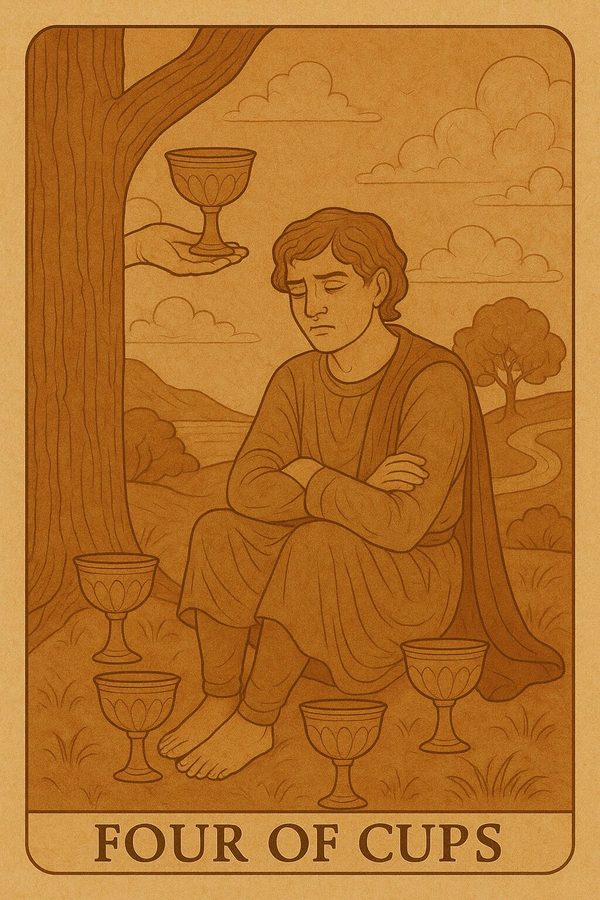 Four of Cups
The Four of Cups is apathy and discontent
Yes/No: Likely no
-
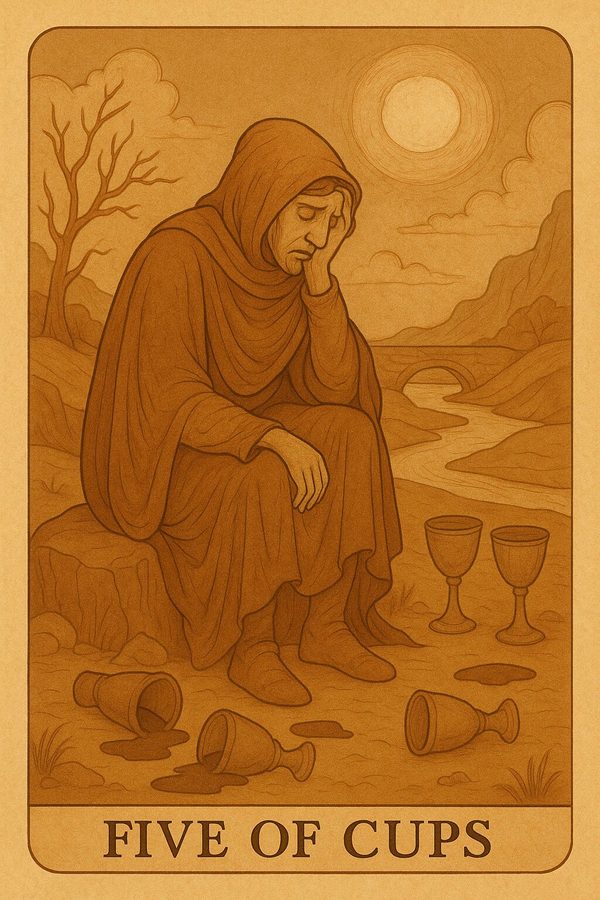 Five of Cups
The Five of Cups is the bitterness of loss
Yes/No: No
-
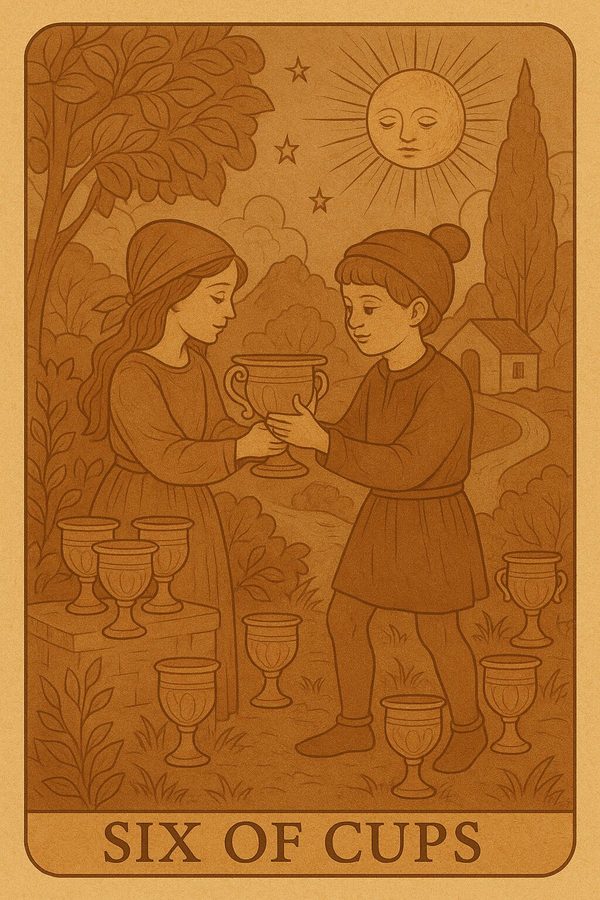 Six of Cups
The Six of Cups is childhood, memory and simple kindness
Yes/No: Likely yes
-
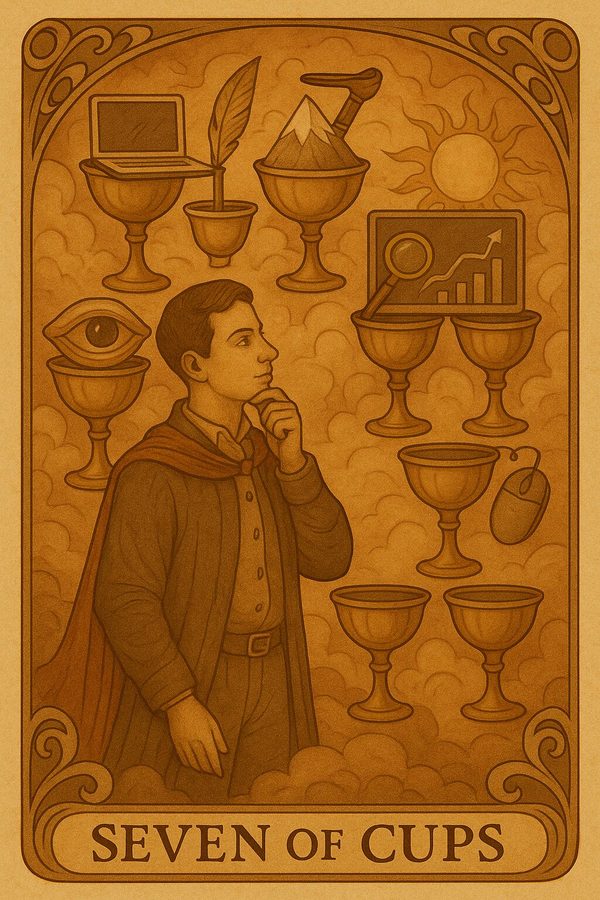 Seven of Cups
The Seven of Cups is a choice among illusions
Yes/No: No
-
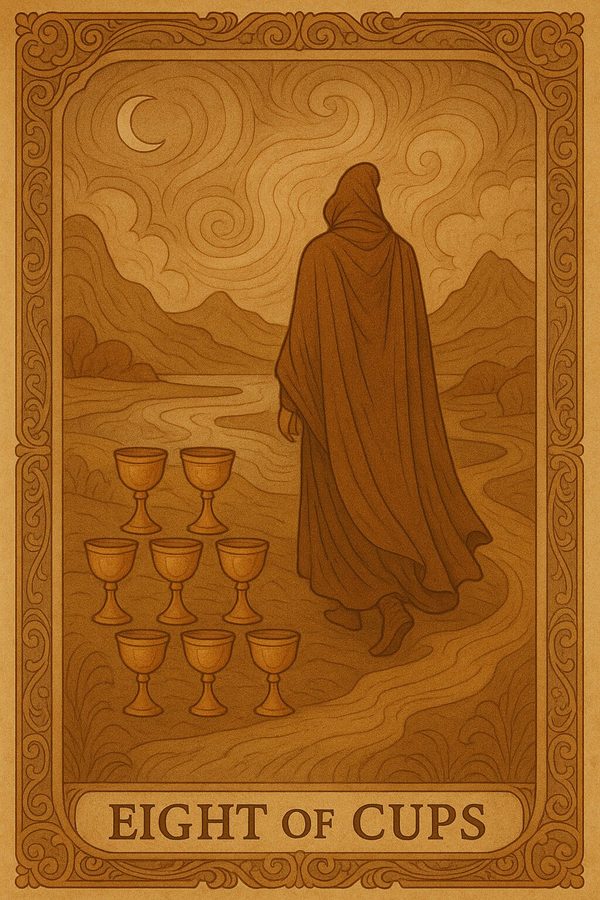 Eight of Cups
The Eight of Cups is about walking away
Yes/No: No
-
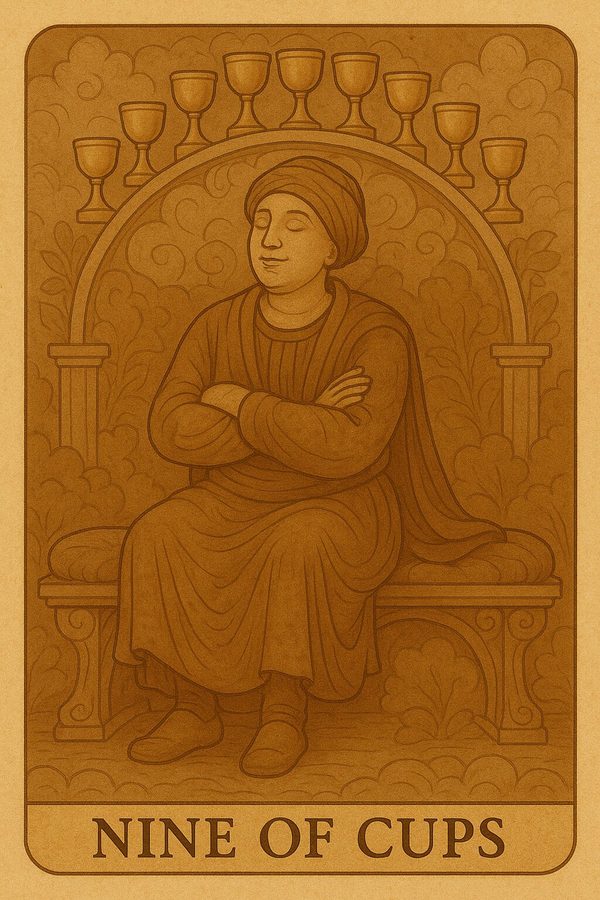 Nine of Cups
The Nine of Cups is the wish card
Yes/No: Yes
-
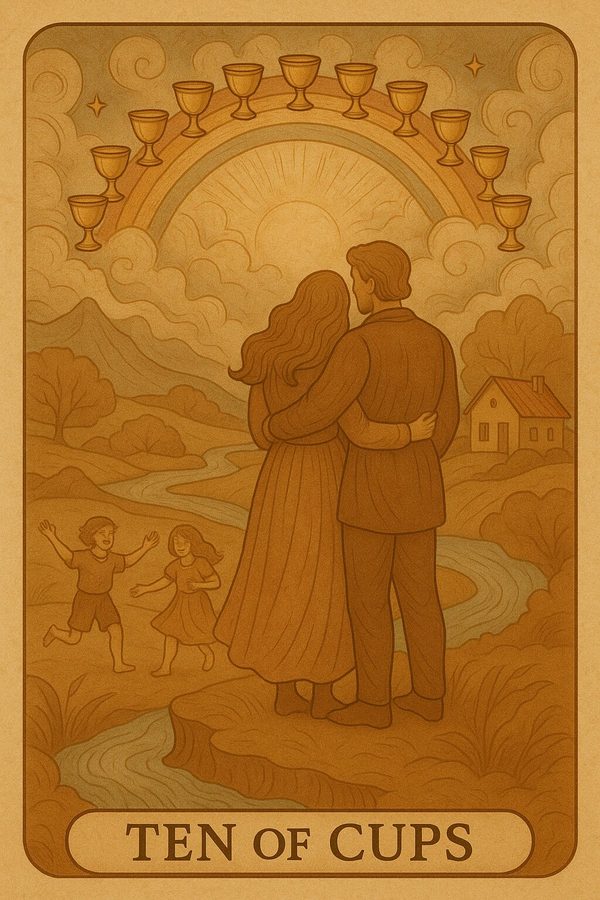 Ten of Cups
The Ten of Cups is family happiness
Yes/No: Yes
-
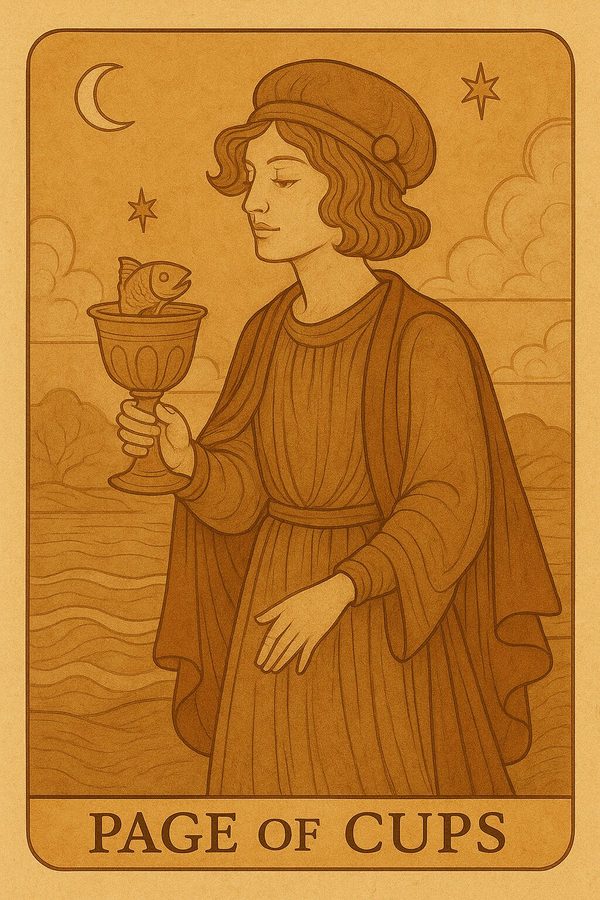 Page of Cups
The Page of Cups is tenderness, intuition and creative news
Yes/No: Yes
-
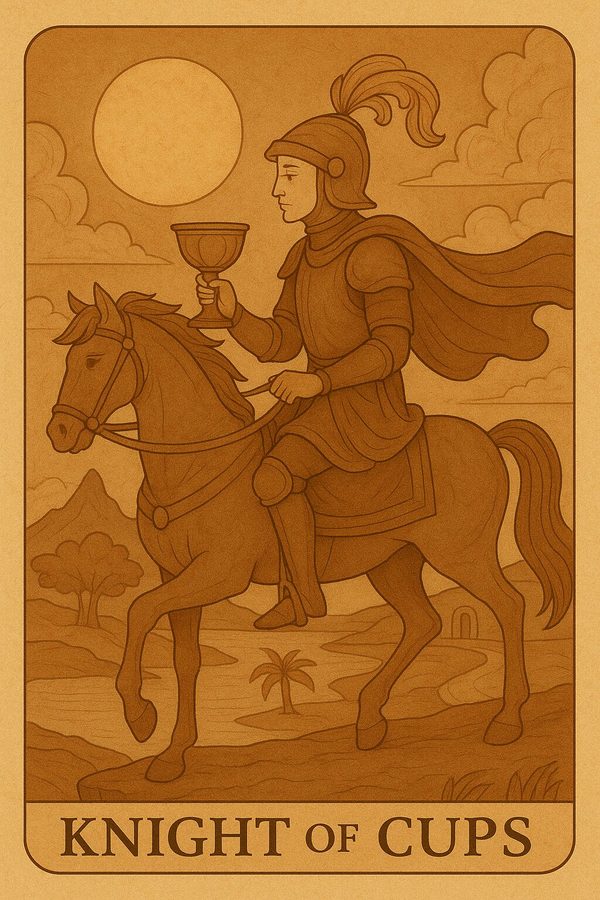 Knight of Cups
The Knight of Cups is a romantic on the road
Yes/No: Yes
-
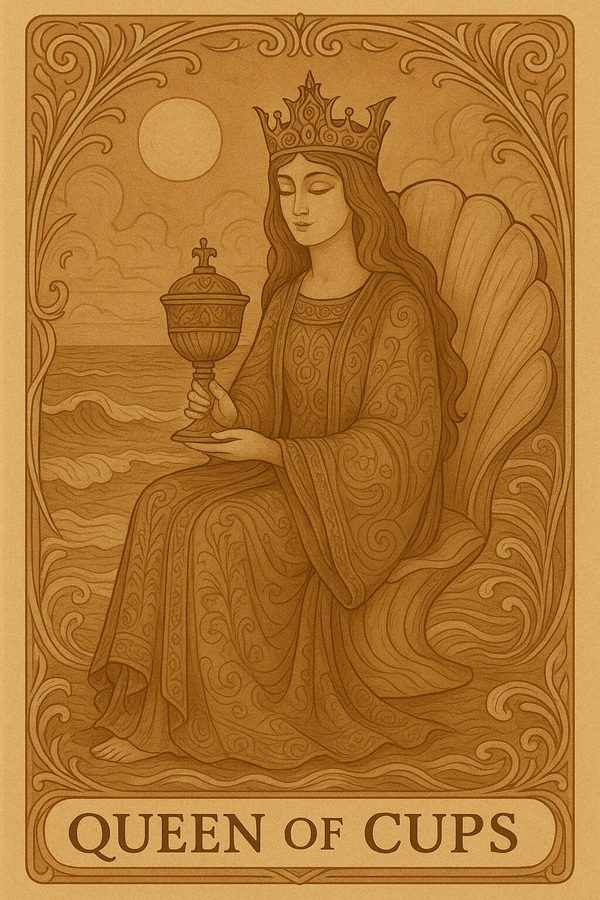 Queen of Cups
The Queen of Cups is empathy and depth of feeling
Yes/No: Yes
-
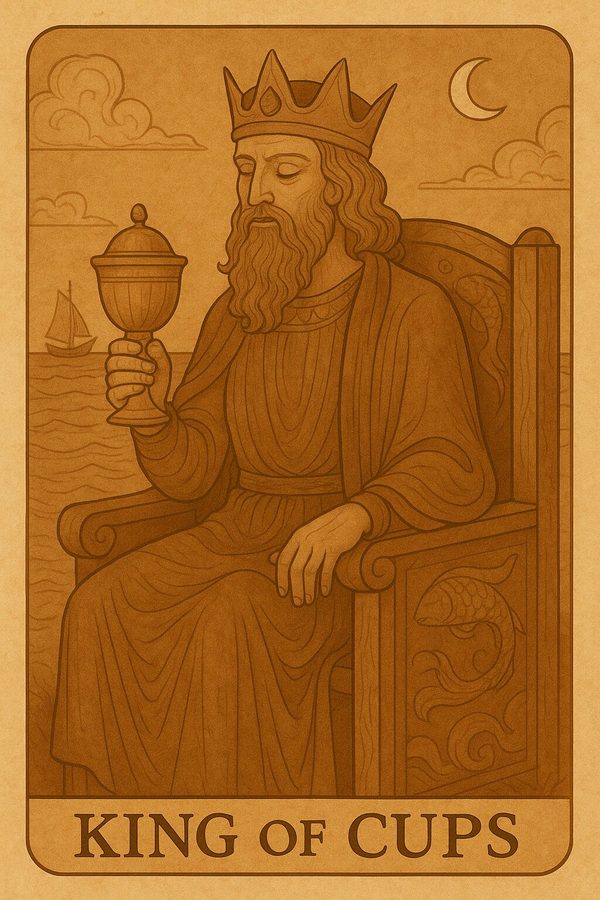 King of Cups
The King of Cups is calm amid the waves
Yes/No: Yes
Swords
Air · thoughts, decisions, conflicts-
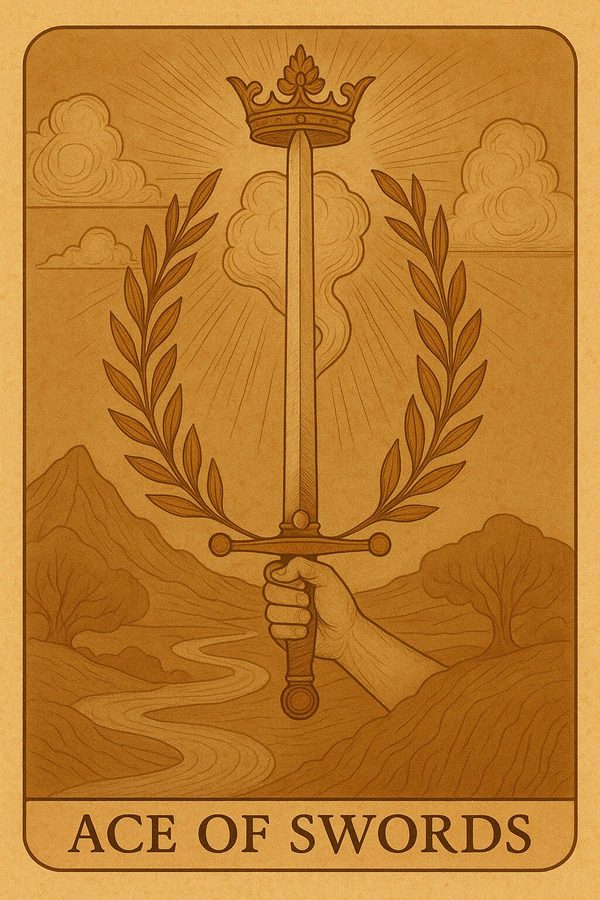 Ace of Swords
The Ace of Swords stands for clarity and breakthrough
Yes/No: Yes
-
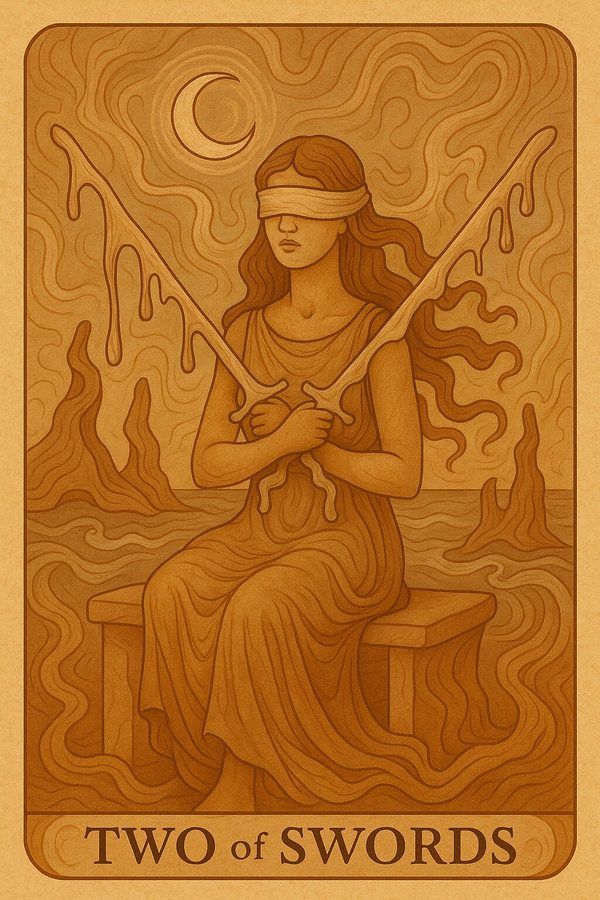 Two of Swords
The Two of Swords is a hard choice that keeps getting put off
Yes/No: Unclear
-
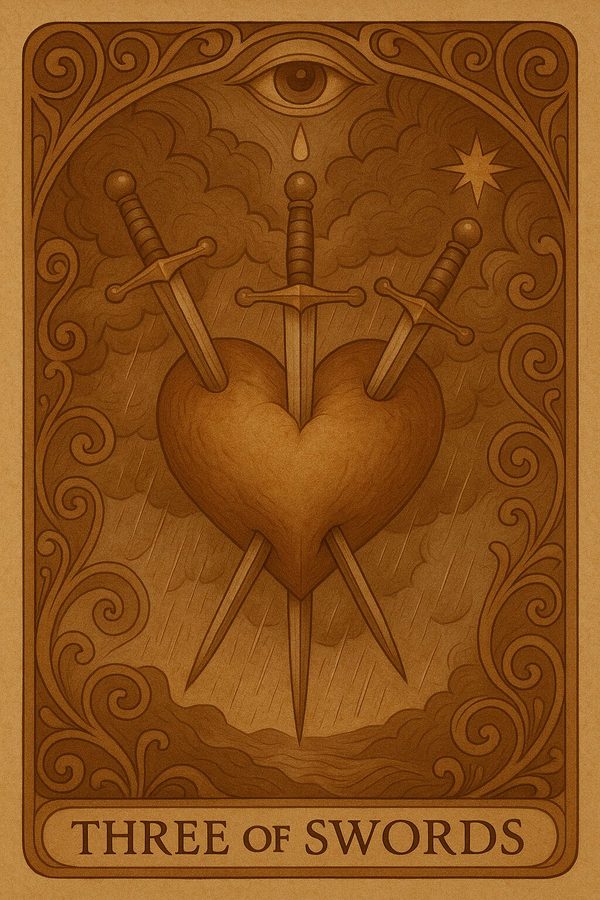 Three of Swords
The Three of Swords is heartache
Yes/No: No
-
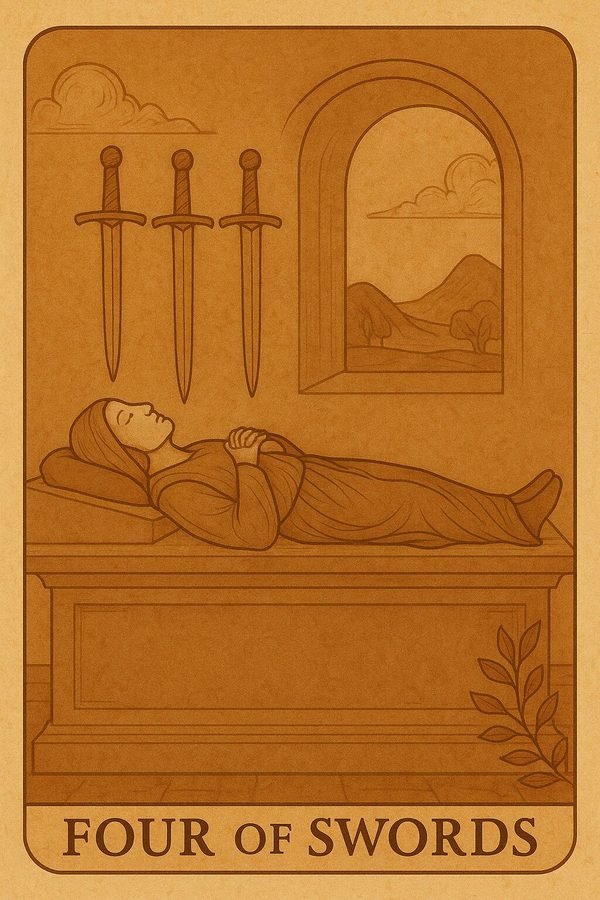 Four of Swords
The Four of Swords stands for rest and recovery
Yes/No: Wait
-
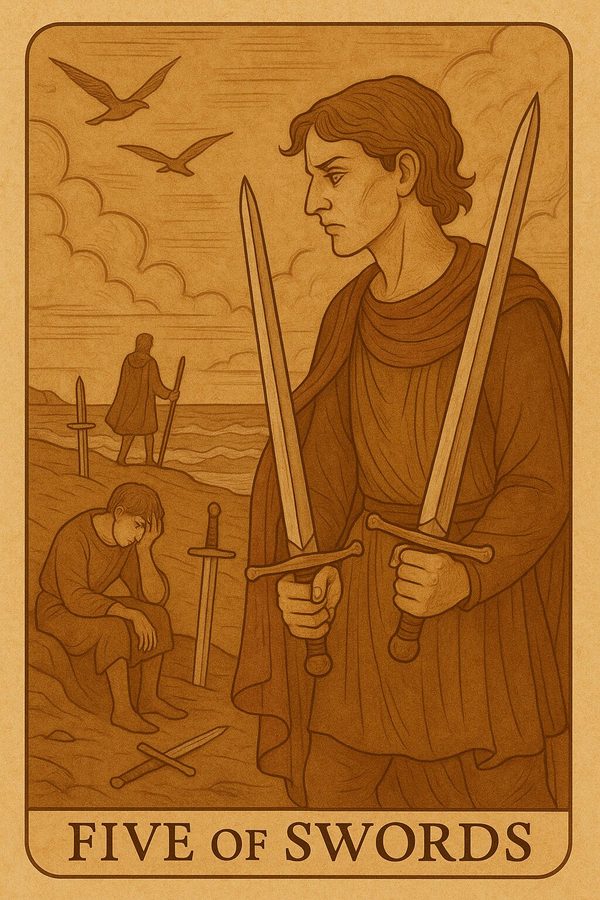 Five of Swords
The Five of Swords is a victory that brings no joy
Yes/No: No
-
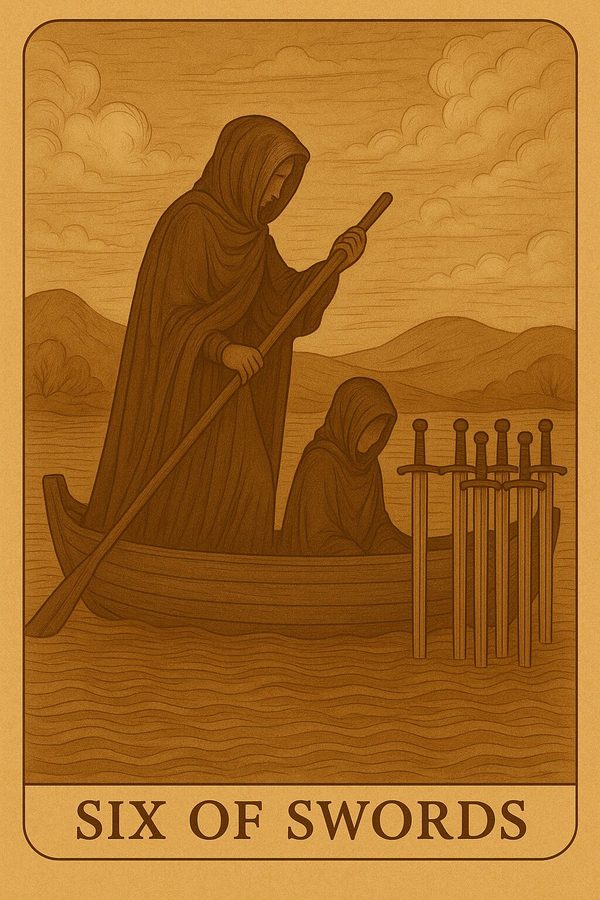 Six of Swords
The Six of Swords is a passage to calmer waters
Yes/No: Likely yes
-
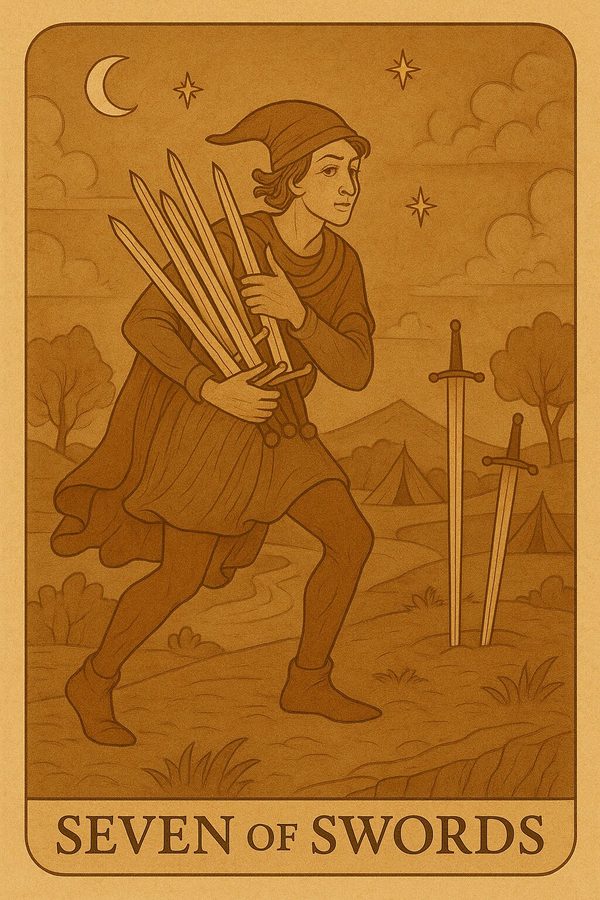 Seven of Swords
The Seven of Swords stands for cunning and secrecy
Yes/No: No
-
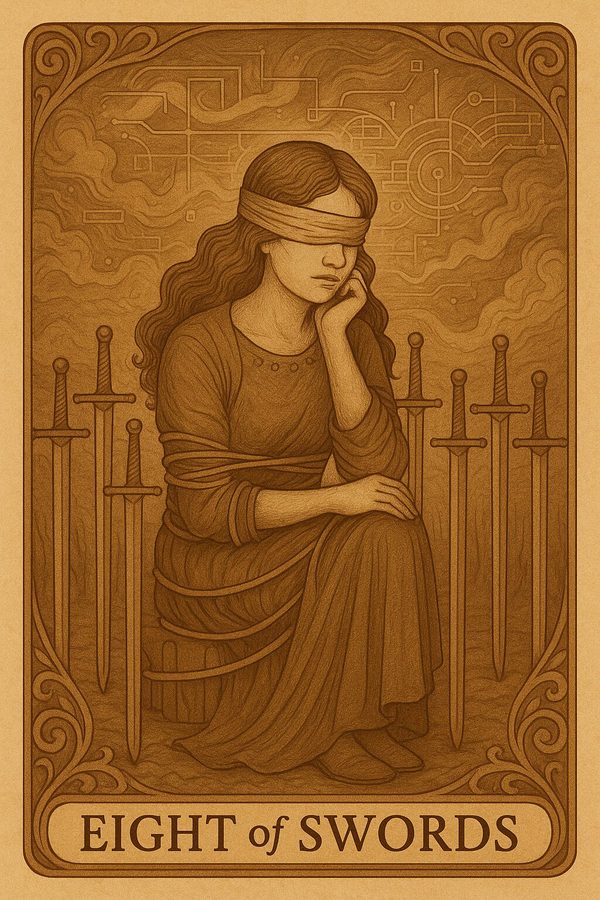 Eight of Swords
The Eight of Swords is a trap of your own thoughts
Yes/No: No
-
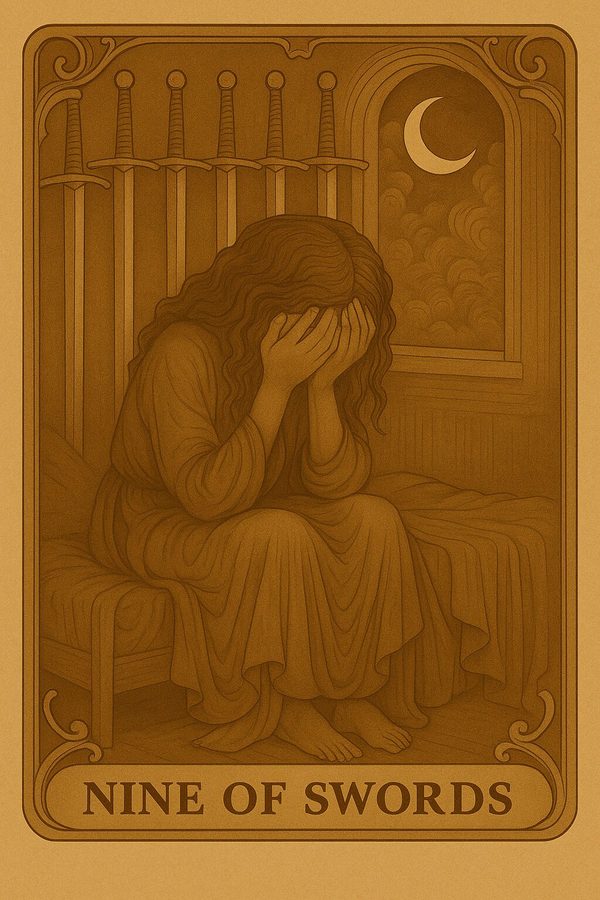 Nine of Swords
The Nine of Swords is the card of night-time worries
Yes/No: No
-
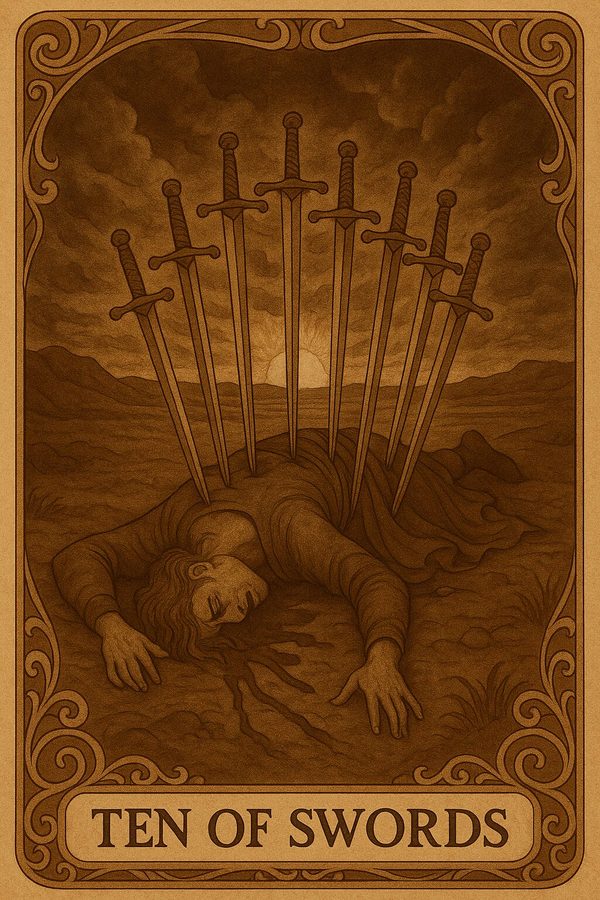 Ten of Swords
The Ten of Swords is rock bottom and the end
Yes/No: No
-
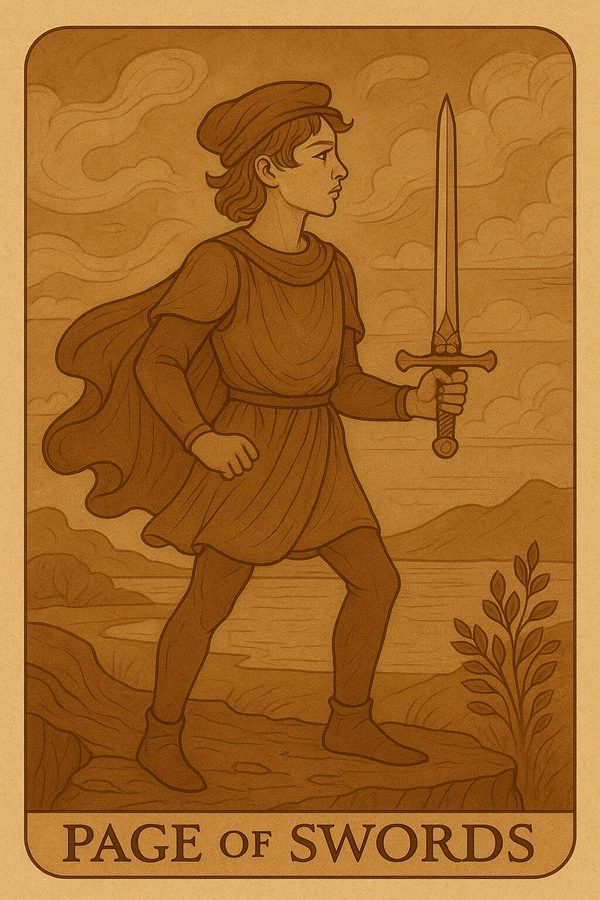 Page of Swords
The Page of Swords stands for a sharp mind and curiosity
Yes/No: Likely yes
-
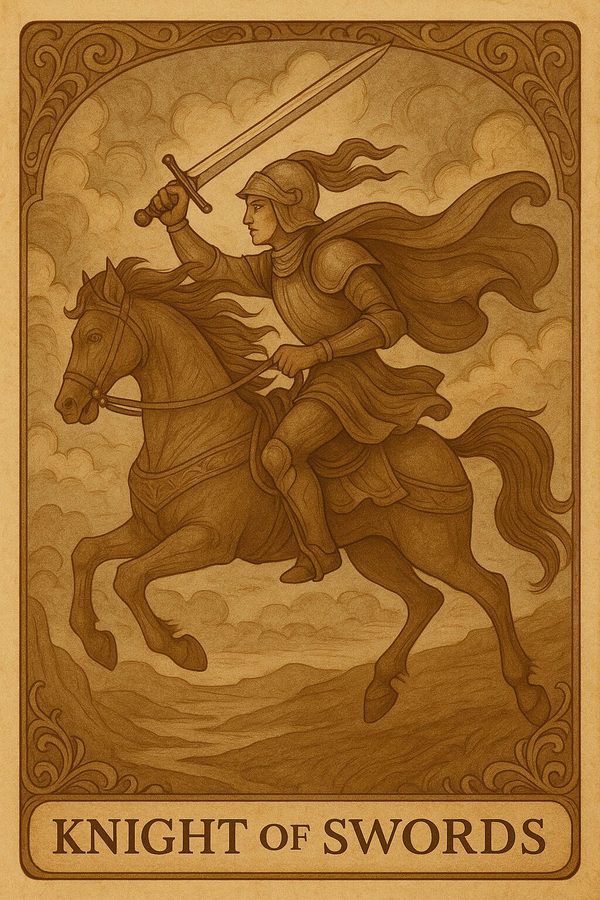 Knight of Swords
The Knight of Swords is a swift attack
Yes/No: Yes
-
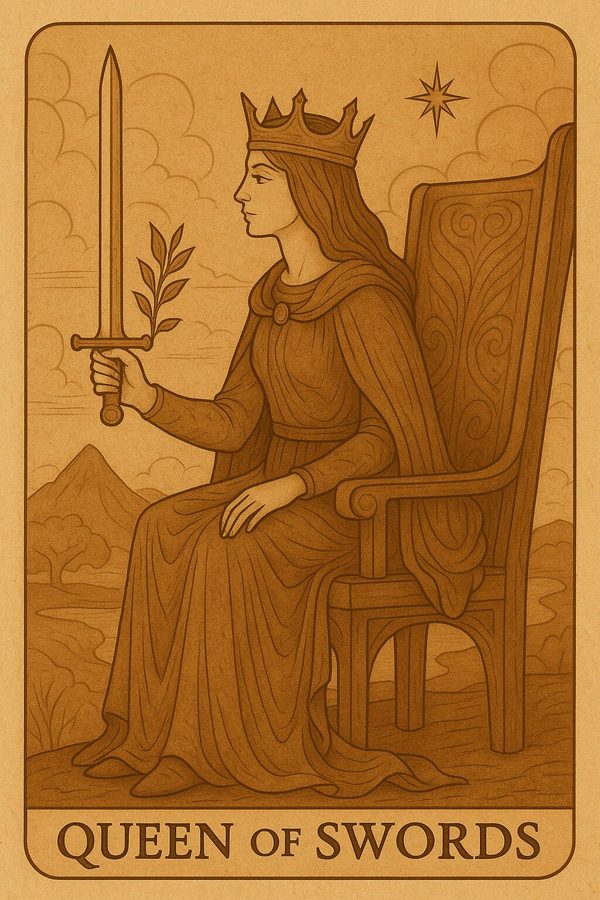 Queen of Swords
The Queen of Swords is a clear mind and honesty
Yes/No: Likely yes
-
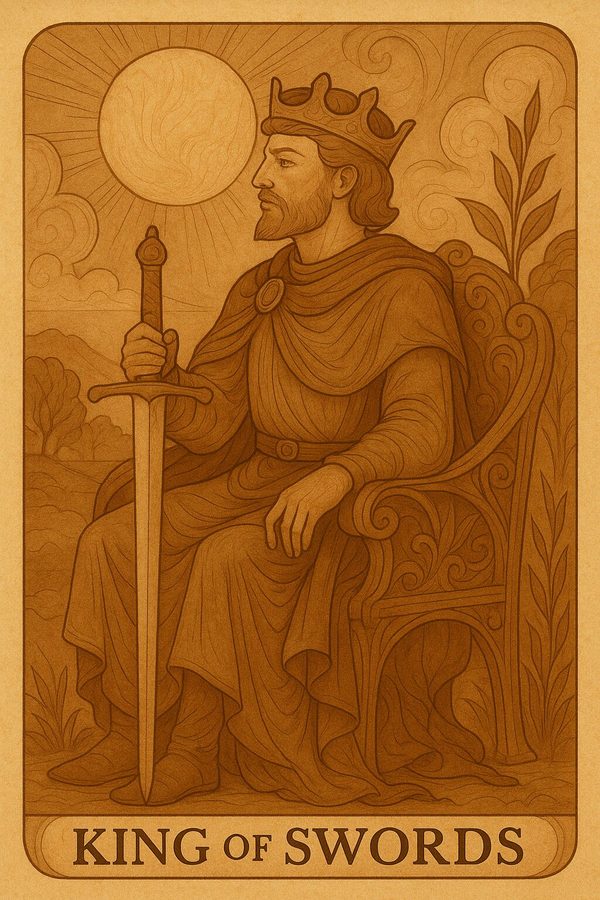 King of Swords
The King of Swords is the power of reason
Yes/No: Yes
Pentacles
Earth · money, work, the body-
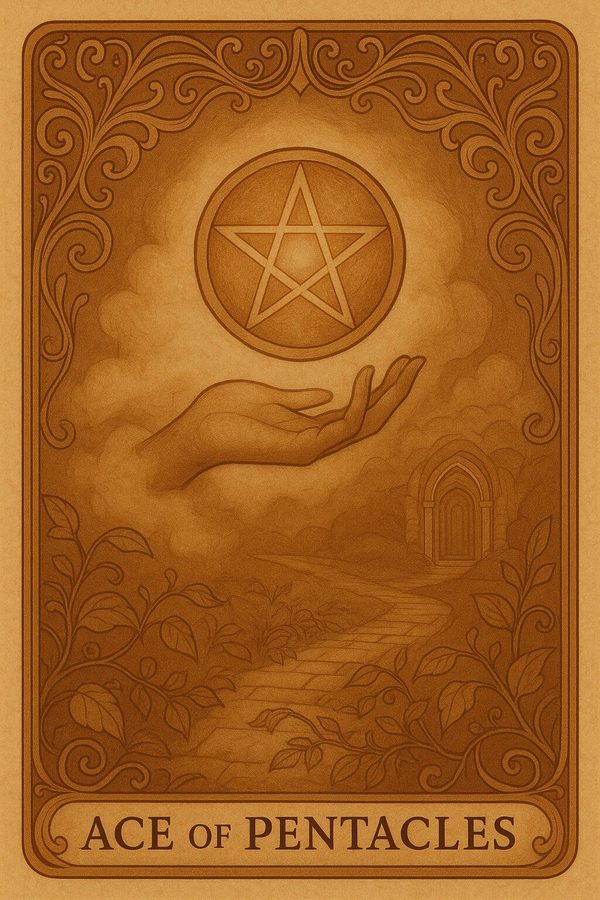 Ace of Pentacles
The Ace of Pentacles is a material opportunity
Yes/No: Yes
-
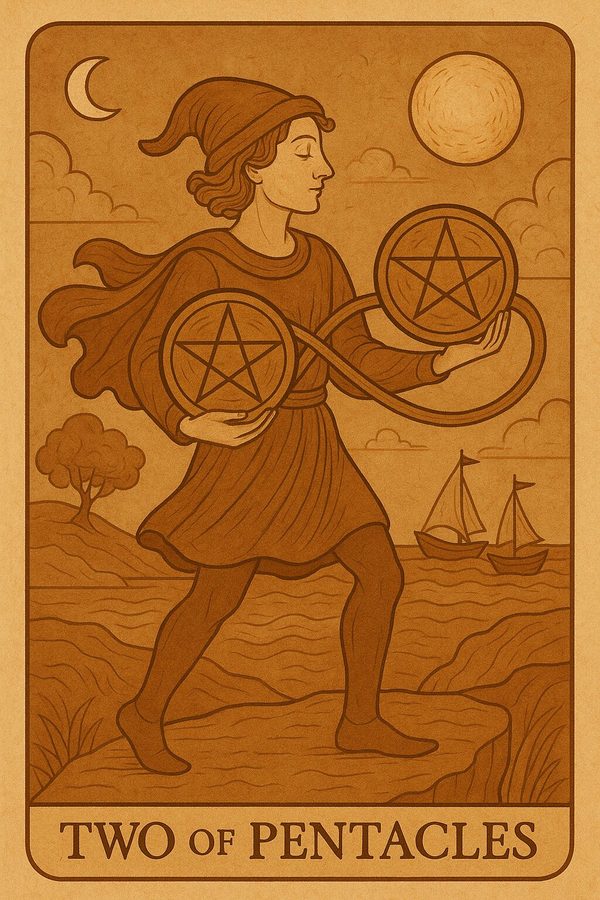 Two of Pentacles
The Two of Pentacles is balance in motion
Yes/No: Likely yes
-
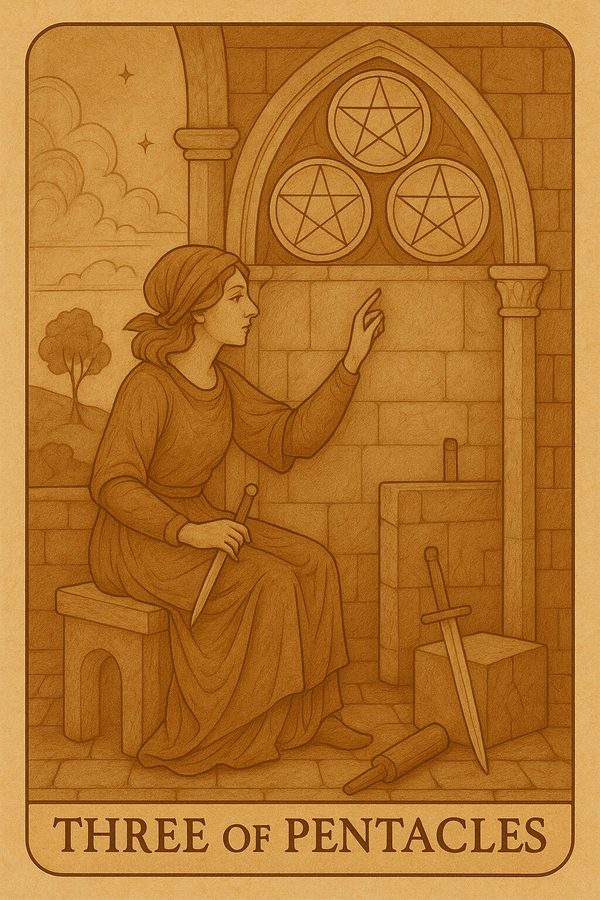 Three of Pentacles
The Three of Pentacles is craftsmanship and a plan
Yes/No: Yes
-
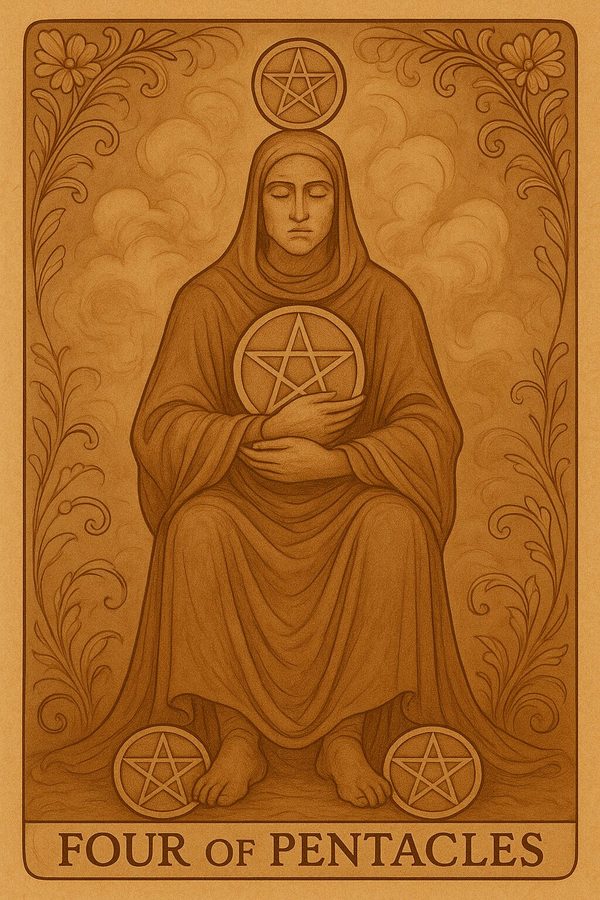 Four of Pentacles
The Four of Pentacles is holding on
Yes/No: Likely no
-
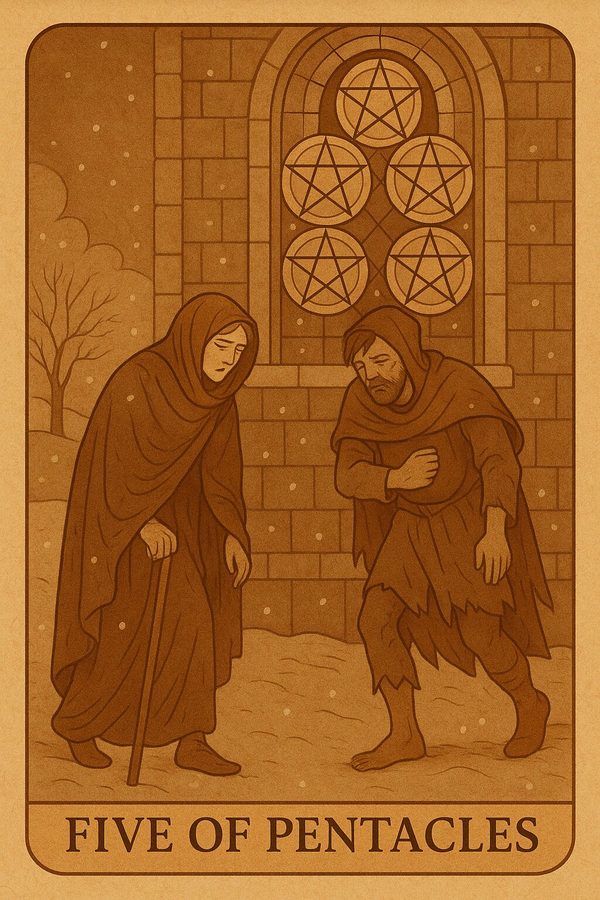 Five of Pentacles
The Five of Pentacles is hard times
Yes/No: No
-
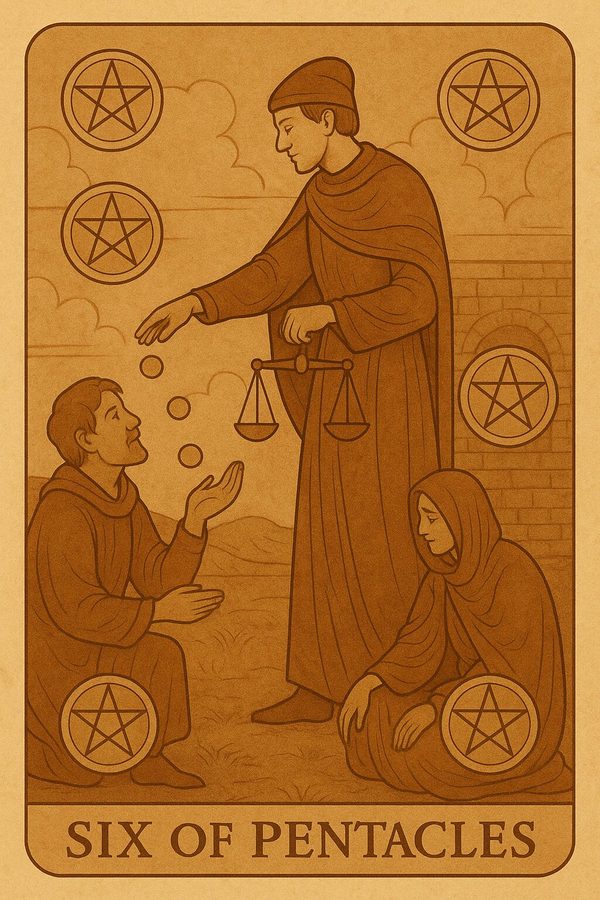 Six of Pentacles
The Six of Pentacles is giving and receiving
Yes/No: Yes
-
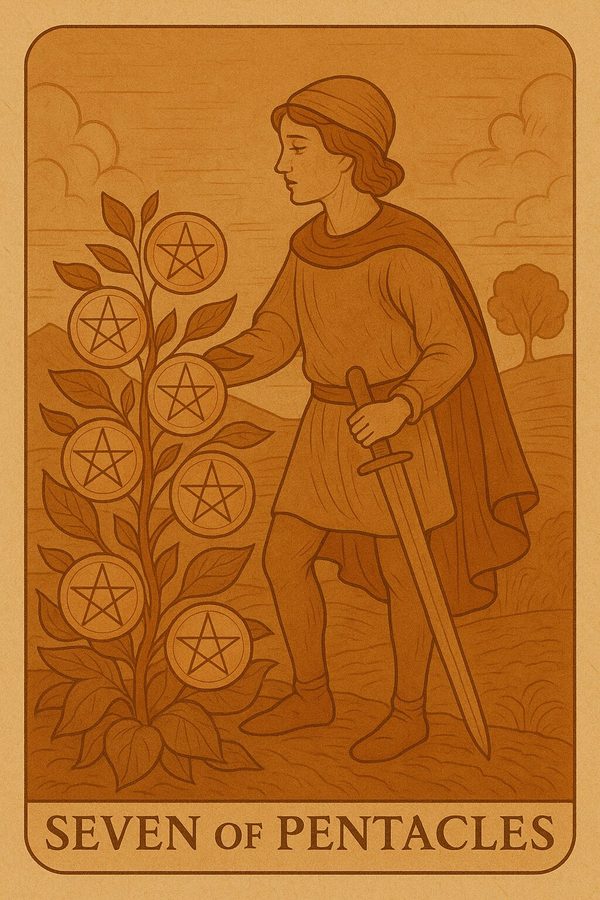 Seven of Pentacles
The Seven of Pentacles is assessing the harvest
Yes/No: Wait
-
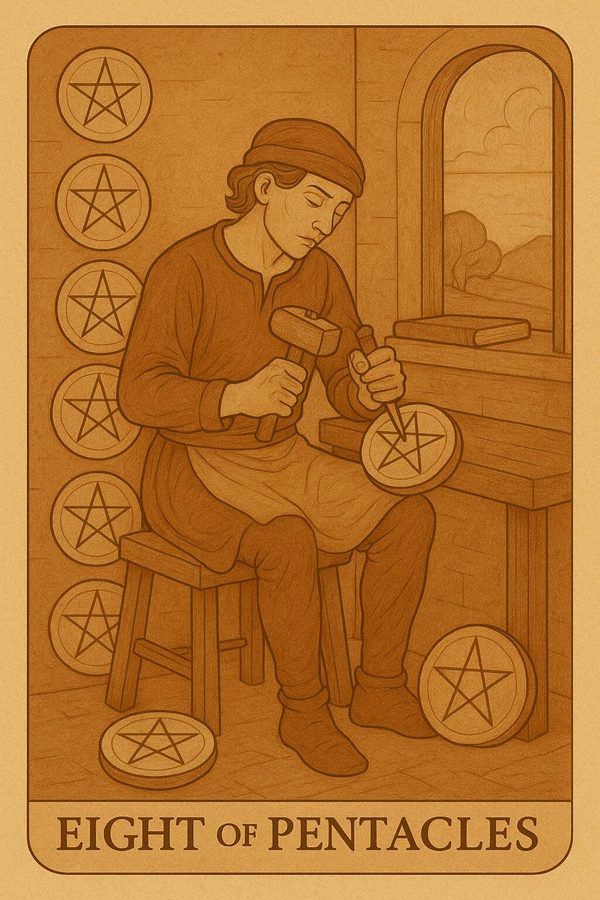 Eight of Pentacles
The Eight of Pentacles is craft and diligence
Yes/No: Yes
-
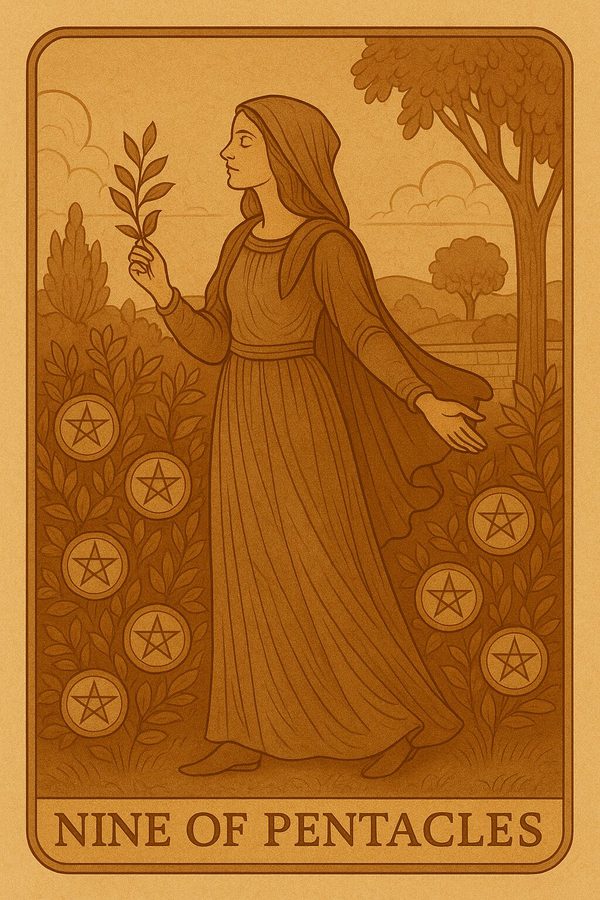 Nine of Pentacles
The Nine of Pentacles is independence and prosperity
Yes/No: Yes
-
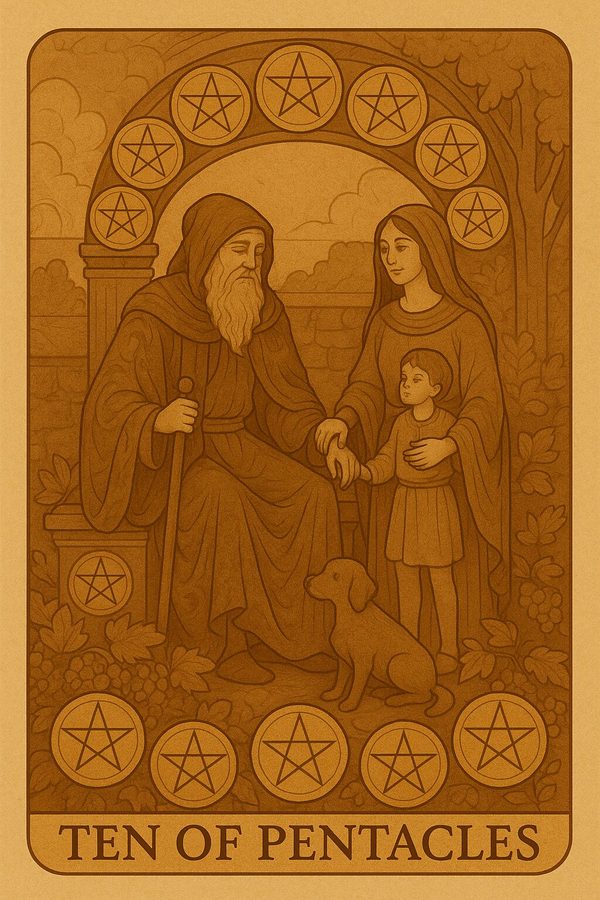 Ten of Pentacles
The Ten of Pentacles is family line and legacy
Yes/No: Yes
-
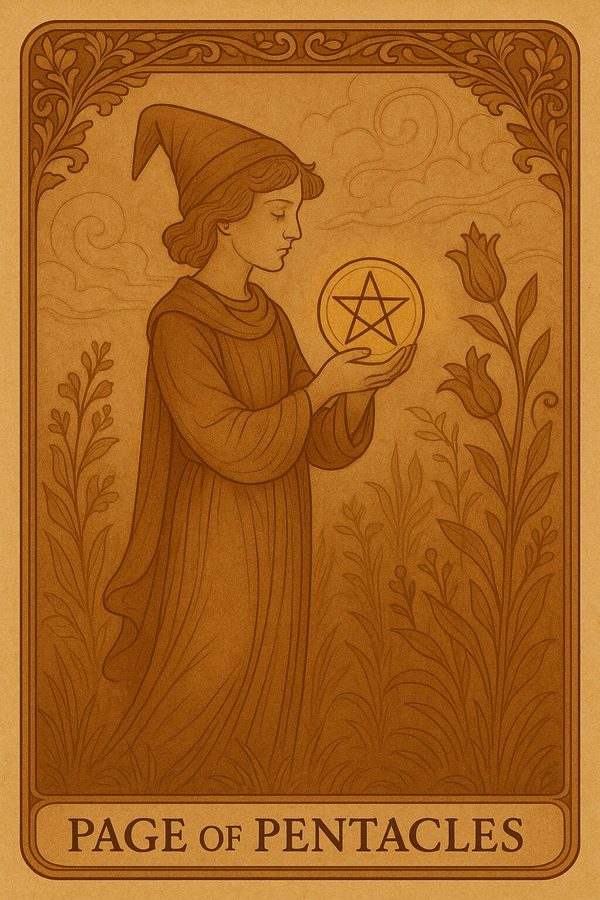 Page of Pentacles
The Page of Pentacles is the diligent student
Yes/No: Yes
-
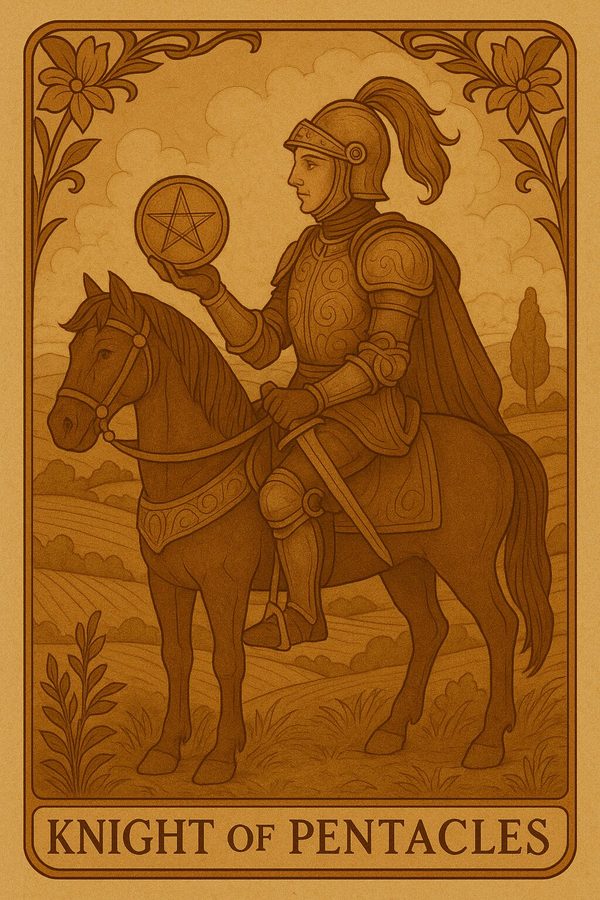 Knight of Pentacles
The Knight of Pentacles is reliability and persistence
Yes/No: Yes
-
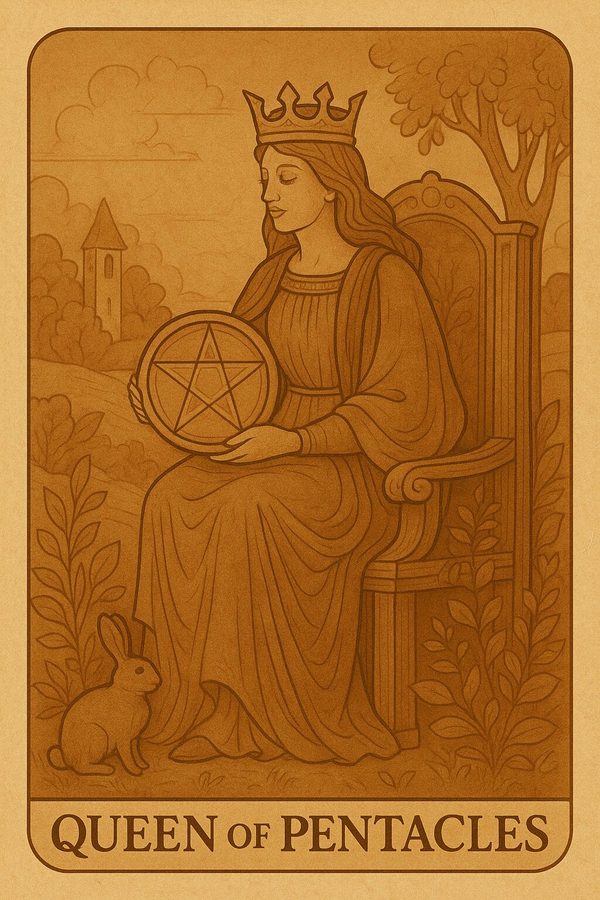 Queen of Pentacles
The Queen of Pentacles is care and prosperity
Yes/No: Yes
-
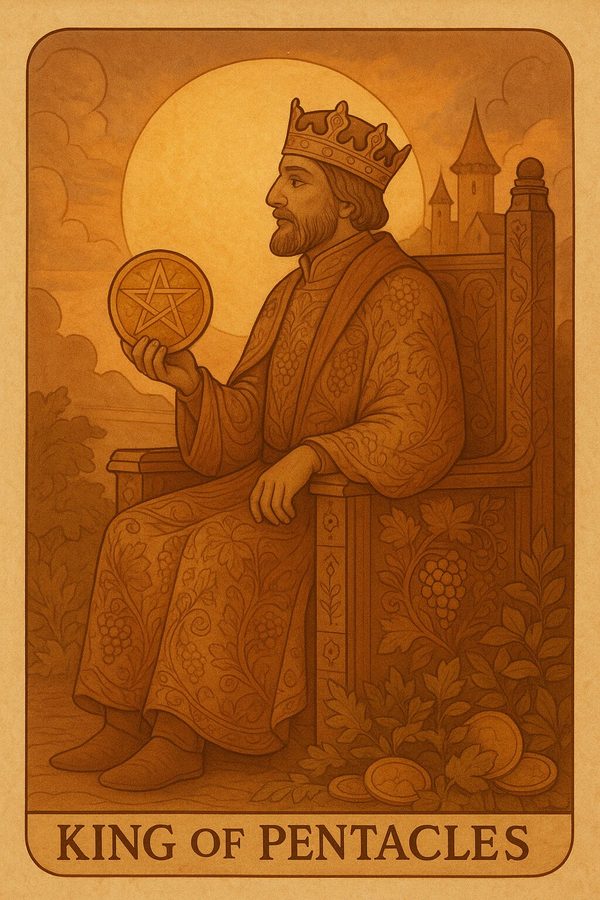 King of Pentacles
The King of Pentacles is wealth and support
Yes/No: Yes
The author’s deck
All the images on the site come from the project’s own deck, created by Heinrich Pangrau. It follows the Rider–Waite tradition, but many cards have details of their own: in the Seven of Cups, a laptop and a screen with a chart replace the jewels; in the Eight of Swords, the sky looks like a maze or a circuit board; and Death is shown without the fallen kings. You can read more about the deck and all its features on the page “About the deck”.
Card combinations
Cards in a spread influence one another. The meanings of all Major Arcana pairs, combinations with the suits, and a checker for any two cards are in the “Tarot card combinations” section.
Not sure which card to start with?
Draw your card of the day: it will show the main theme of today, and the link takes you to its full meaning.
Frequently asked questions
How many cards are in a tarot deck?
A classic deck has 78 cards: 22 Major Arcana and 56 Minor Arcana. The Minor Arcana are split into four suits of 14 cards each: ten number cards from Ace to Ten and four court cards, the Page, Knight, Queen and King.
What is the difference between the Major and Minor Arcana?
The Major Arcana speak of big events and inner turning points that change your life. The Minor Arcana describe everyday situations, people and concrete steps. If a spread has many Major Arcana, the situation matters more than it seems.
What does a reversed tarot card mean?
A reversed card usually shows that the card’s energy is weakened, delayed or turned inward. Sometimes it is the opposite meaning, sometimes the same theme in an immature or hidden form. On every card page we cover the reversed position separately.
Can you read tarot without knowing all the meanings?
Yes. Many people start with the card of the day: they draw one card, read its meaning and watch how it plays out. That way the meanings stick naturally, without rote memorization.
Which tarot cards mean yes and which mean no?
A confident “yes” comes from bright cards such as The Sun, The Star, The World, and the Aces of Cups and Pentacles. “No” more often comes from The Tower, The Devil, the Ten and Nine of Swords, and the Five of Pentacles. Many cards answer “likely yes,” “wait” or “it depends on you”; the answer is shown on each card’s tile in the catalog above.
Why do the meanings on this site differ from other sources?
The interpretations share a common foundation: the Rider–Waite and Golden Dawn tradition. But we describe the cards based on our own author’s deck, so we look at the symbols actually drawn on it, and we write in practical language, without mystification.