How the deck was created
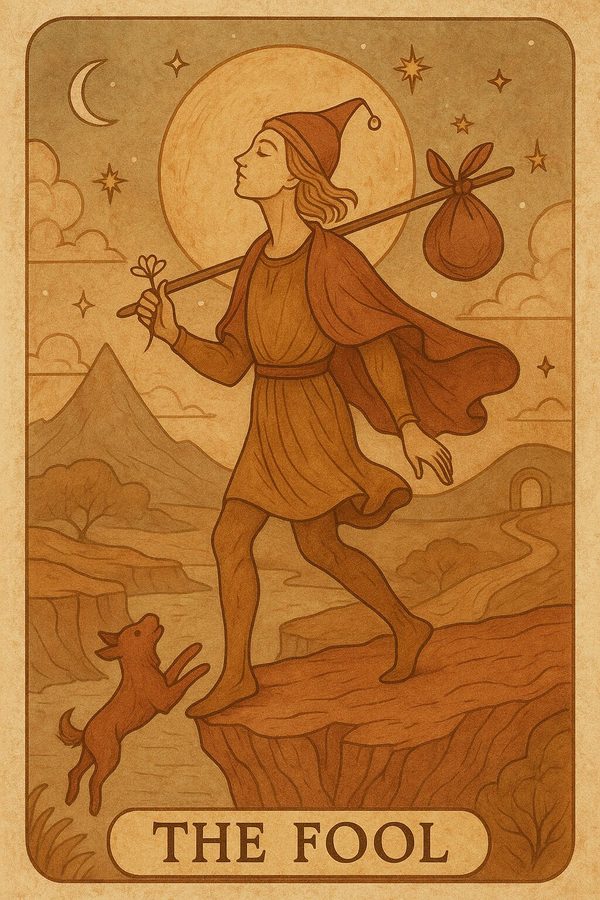
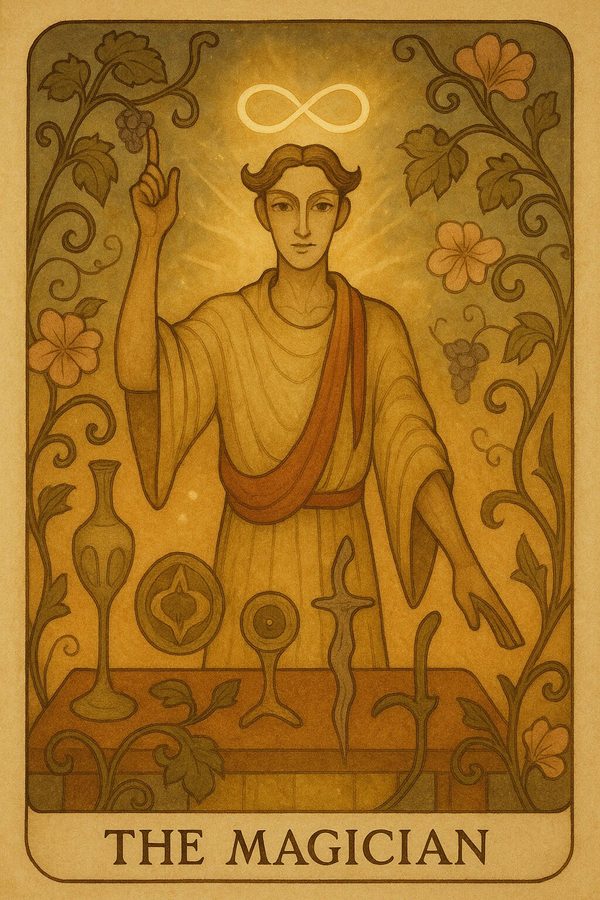
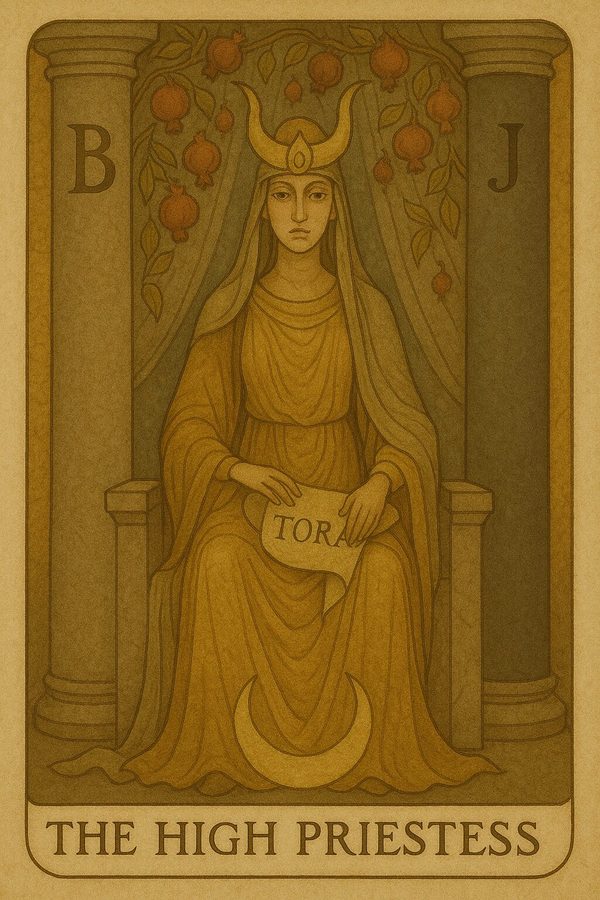
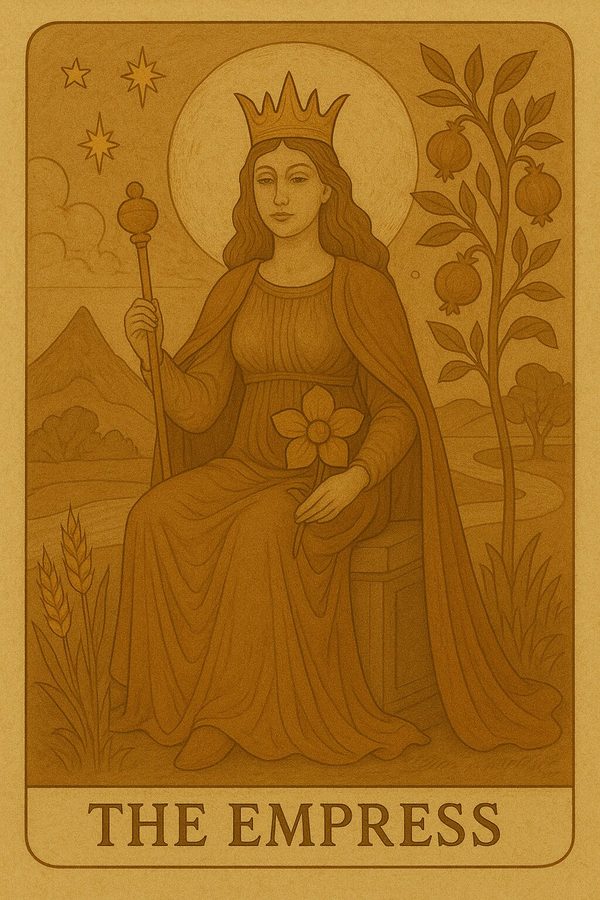
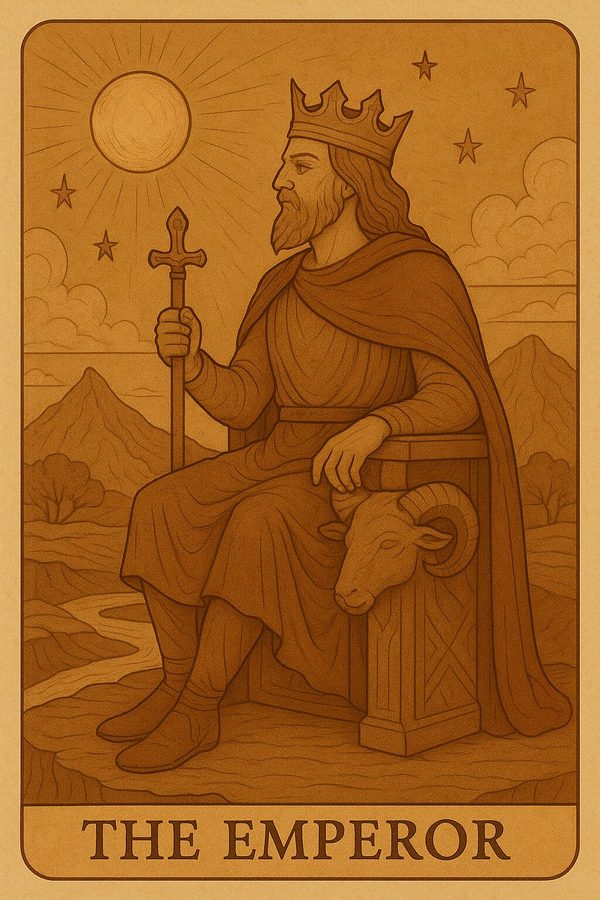
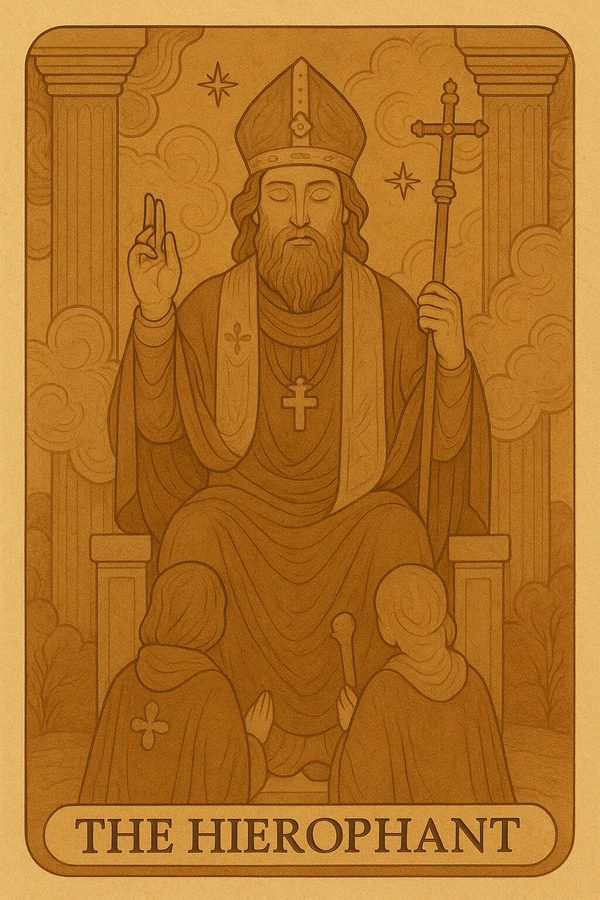
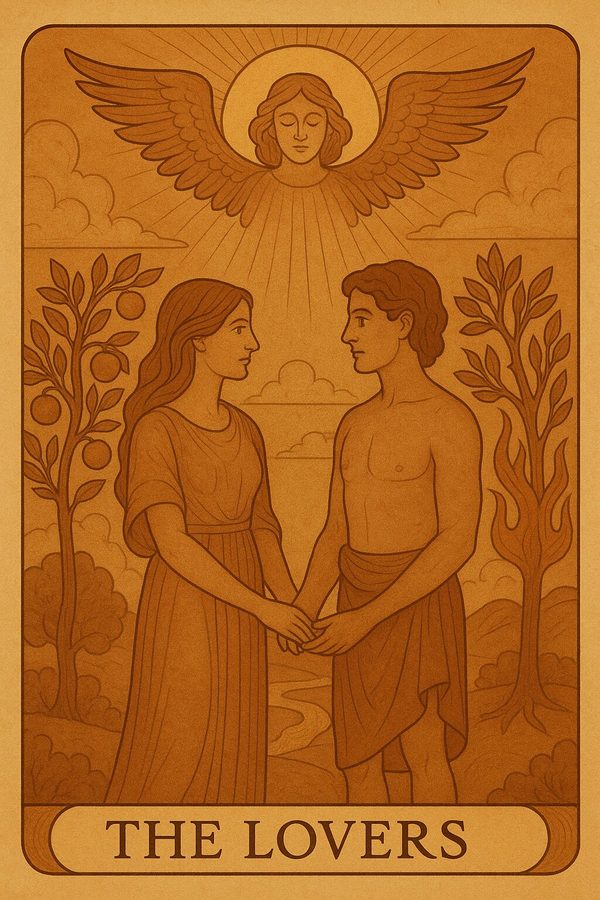
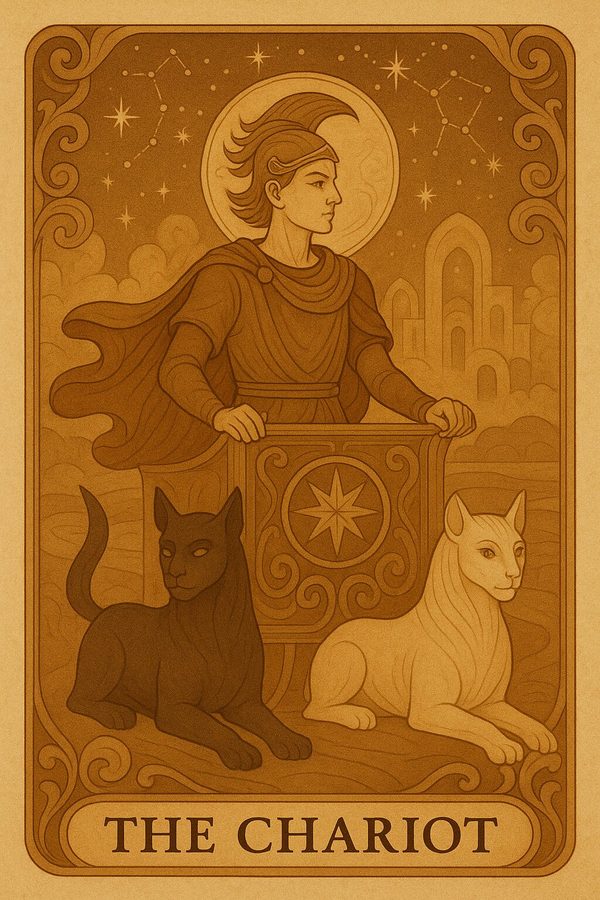
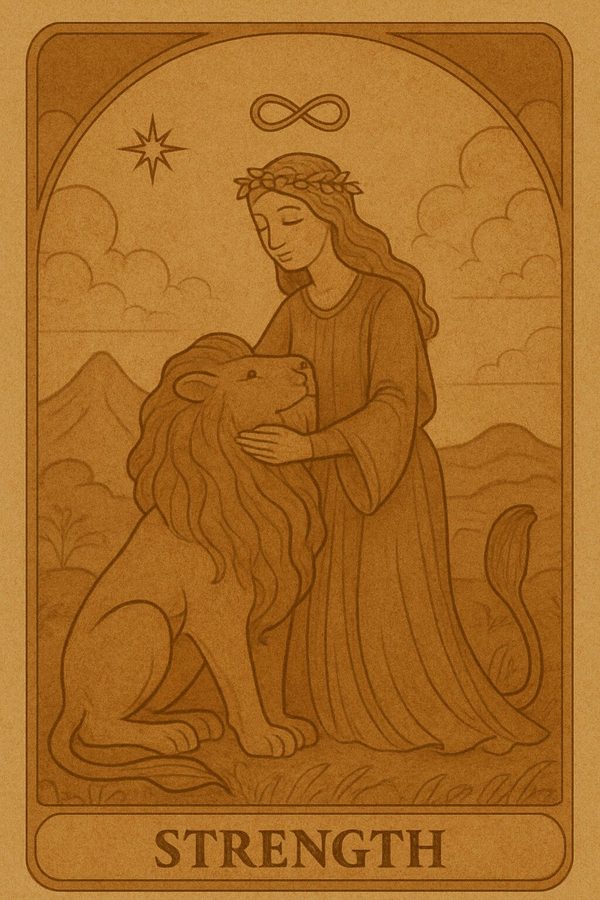
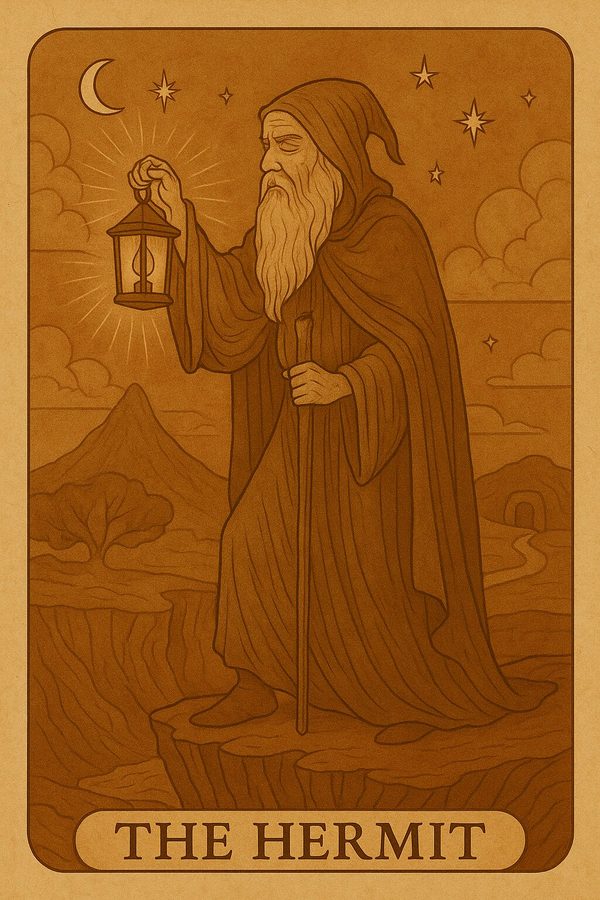
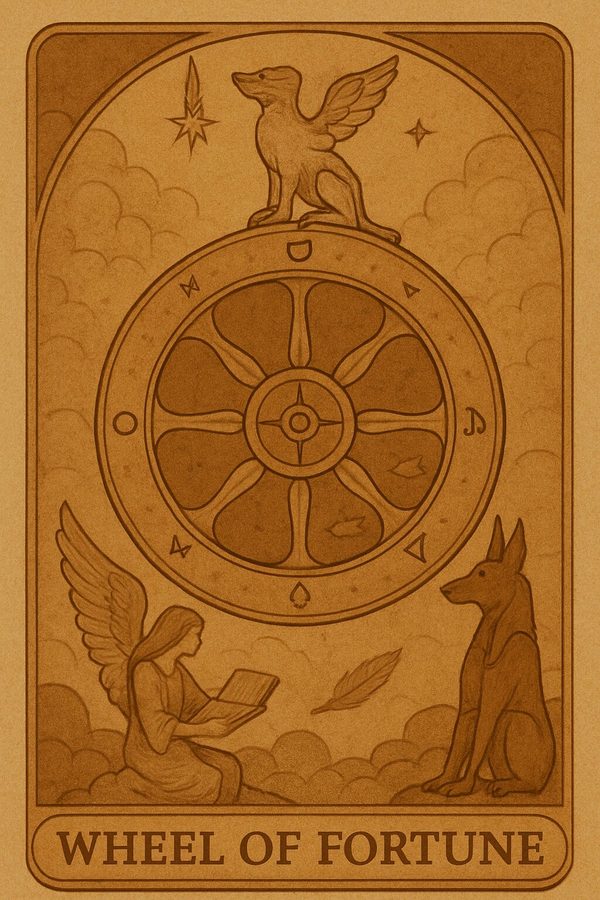
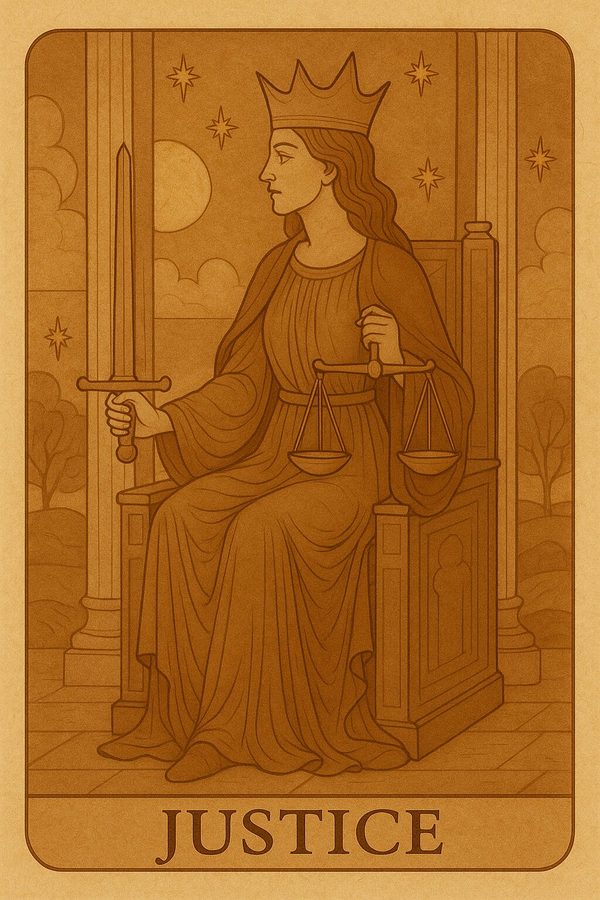
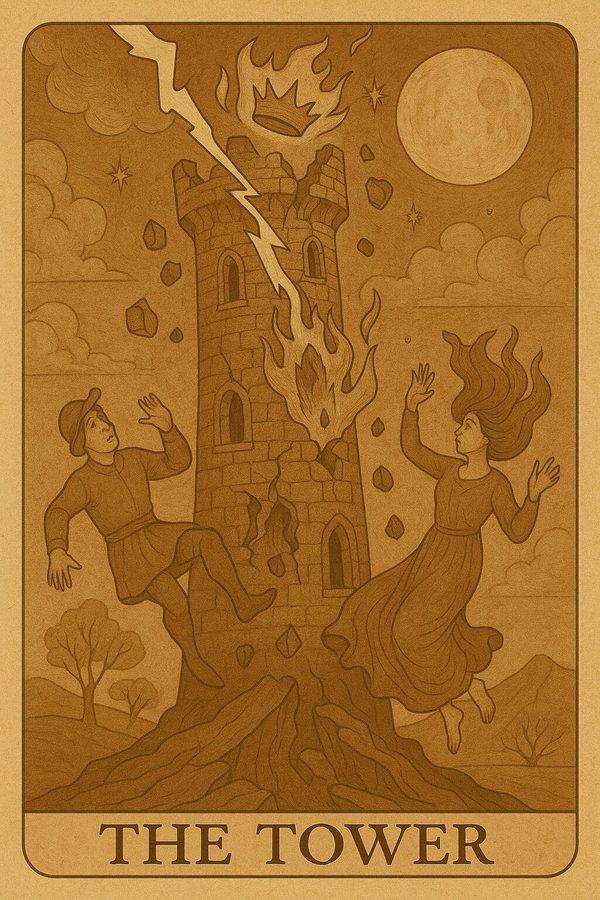
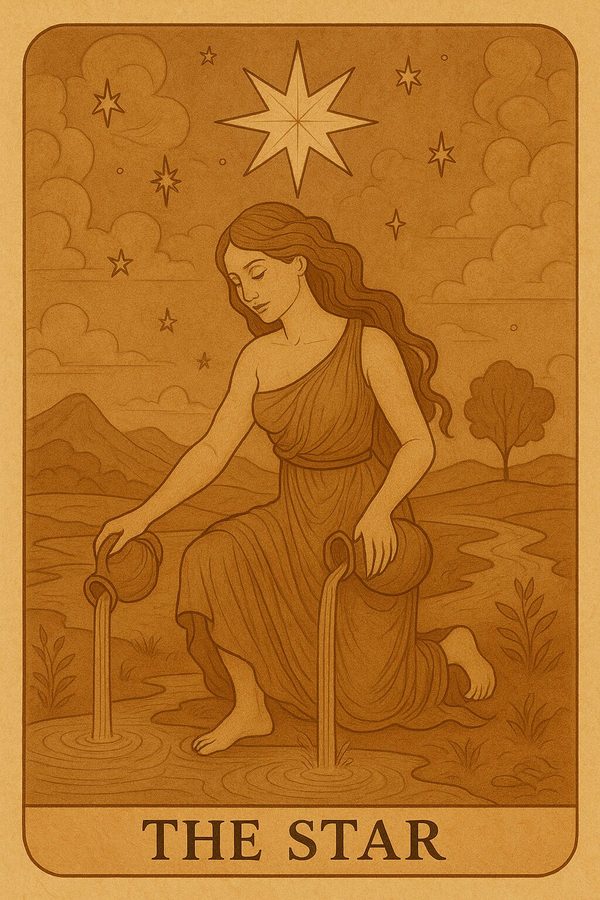
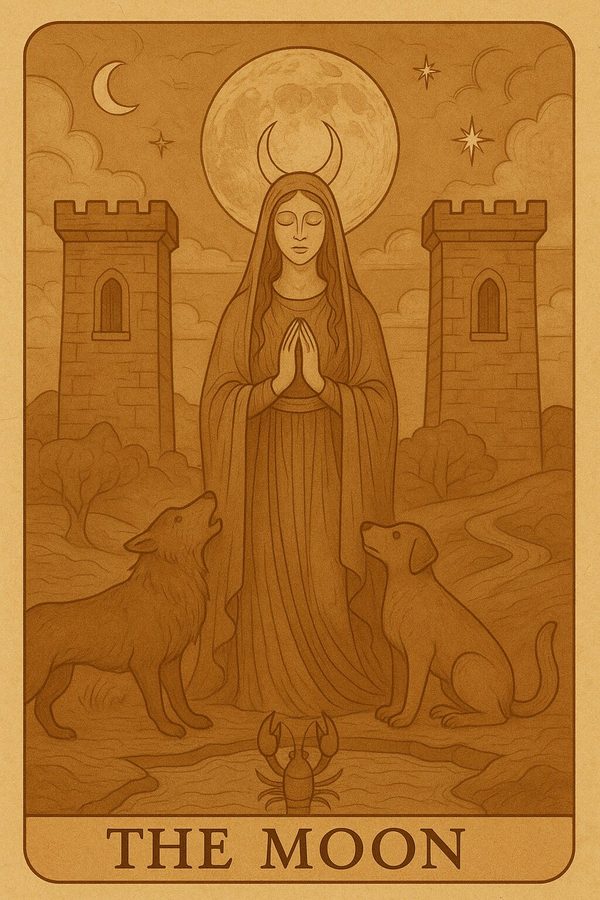
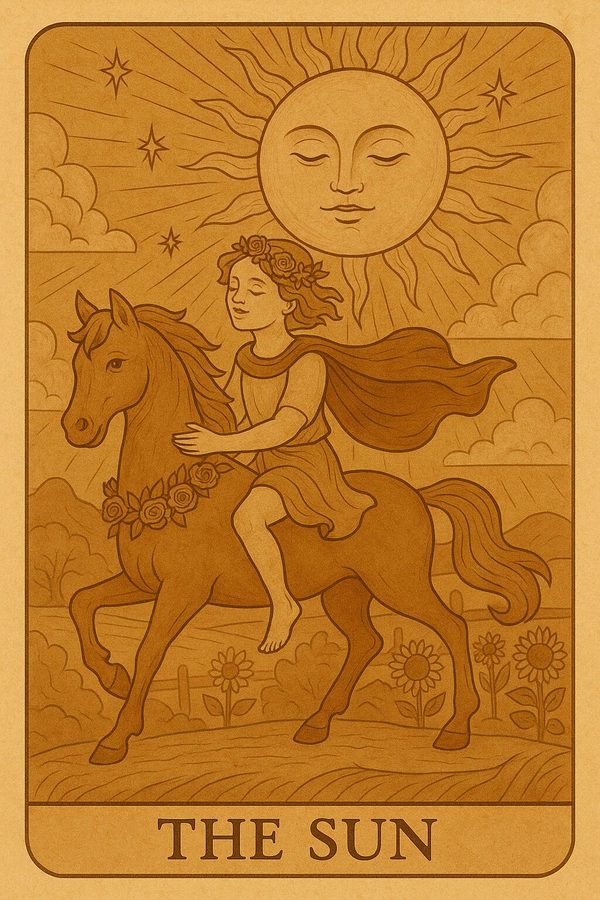
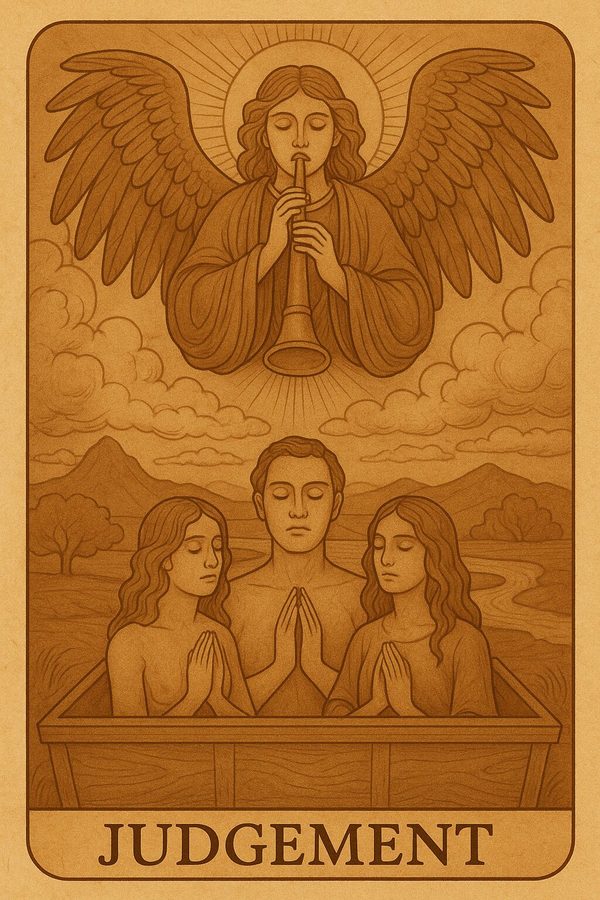
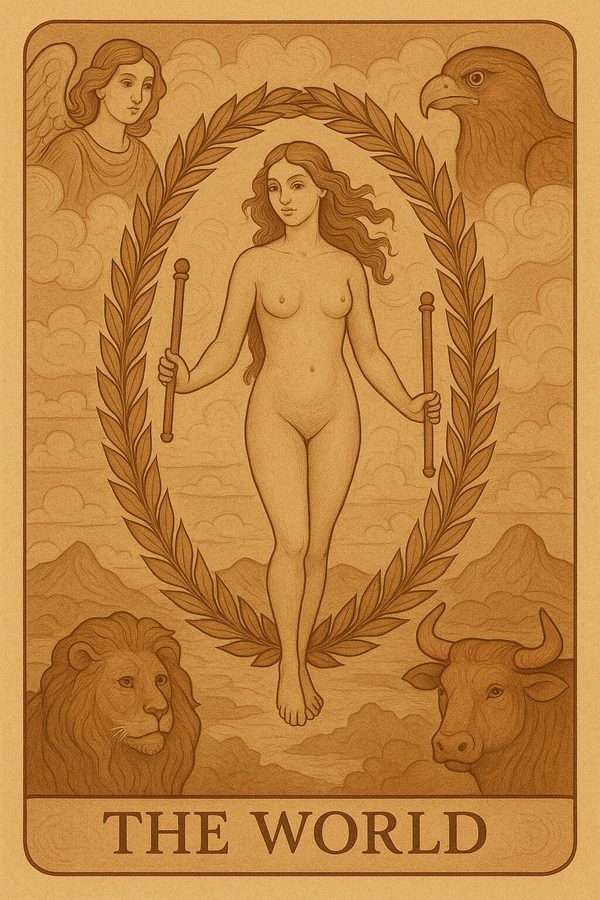
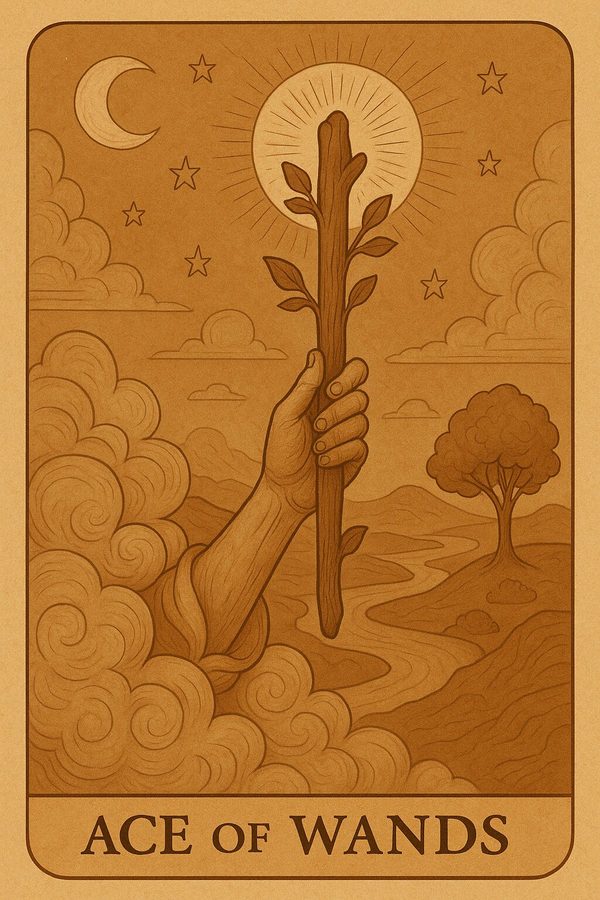
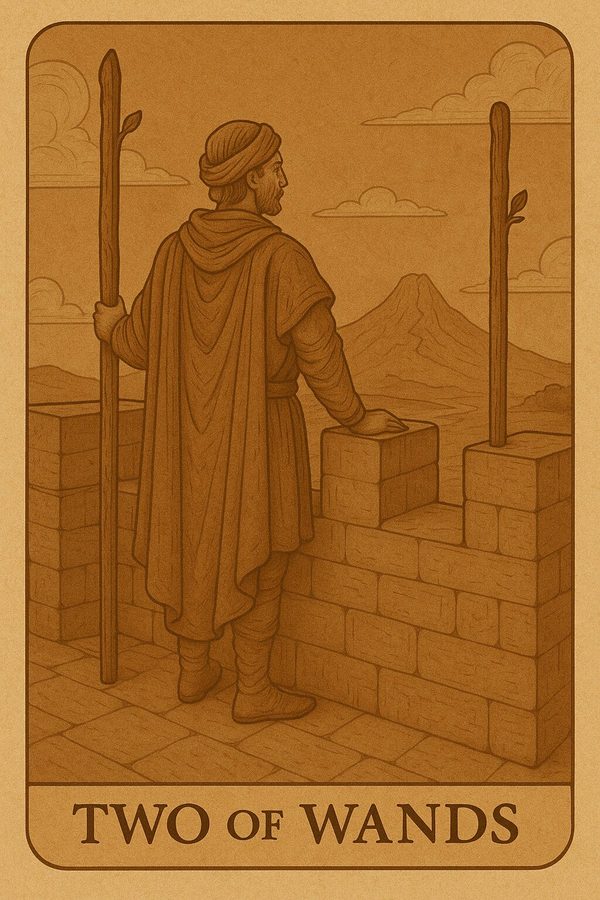
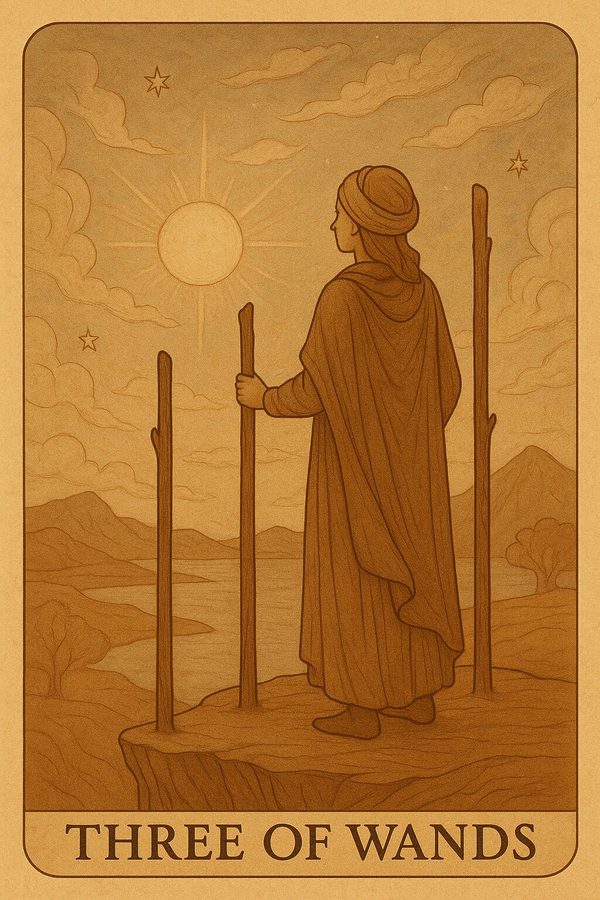
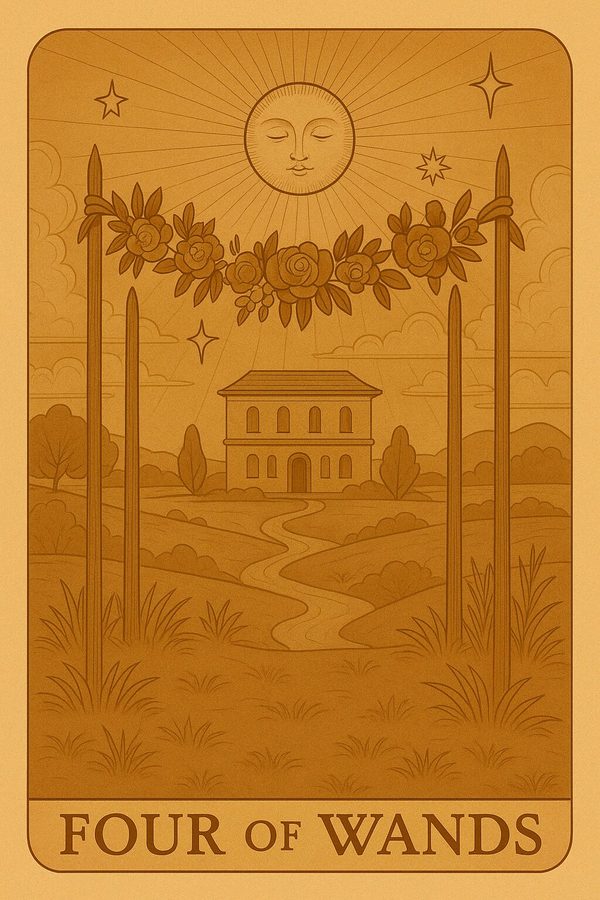
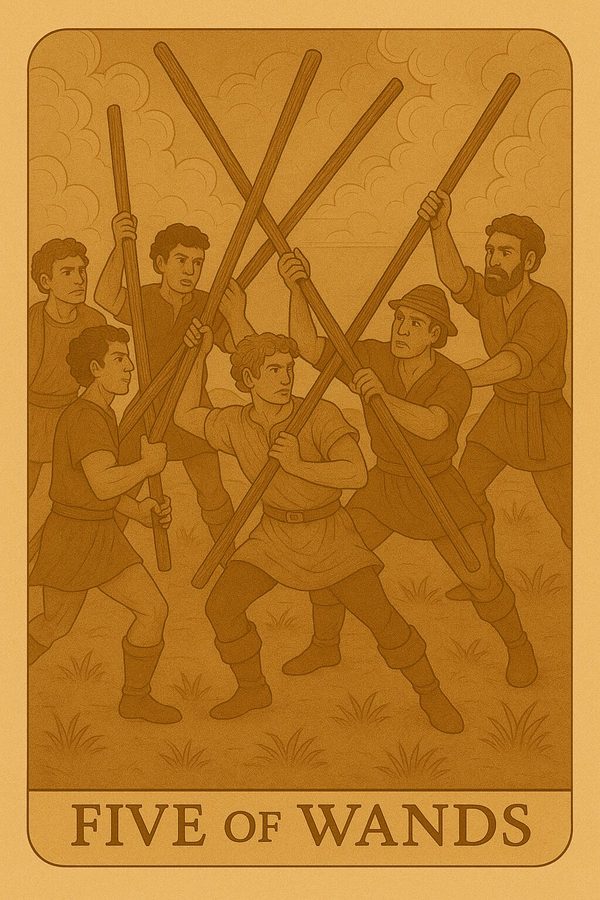
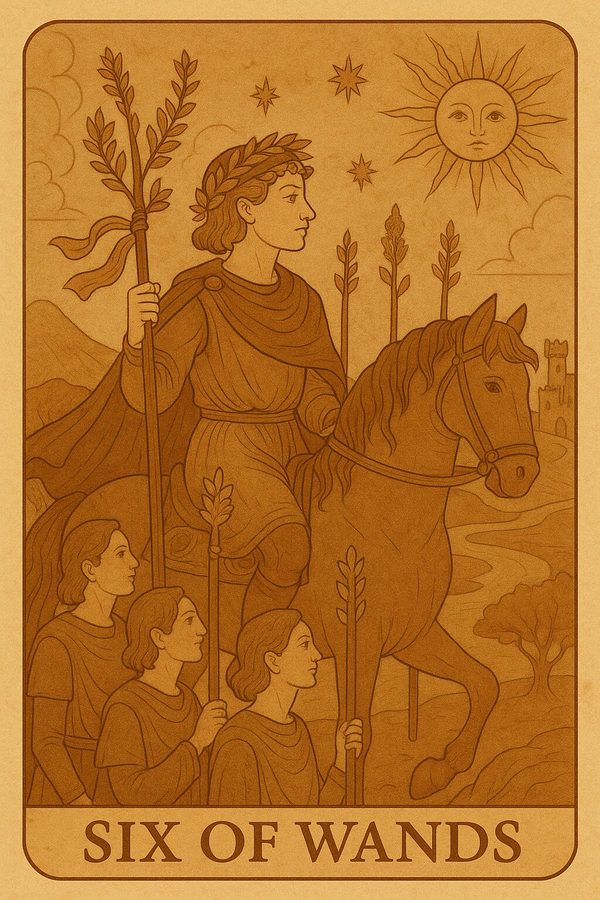
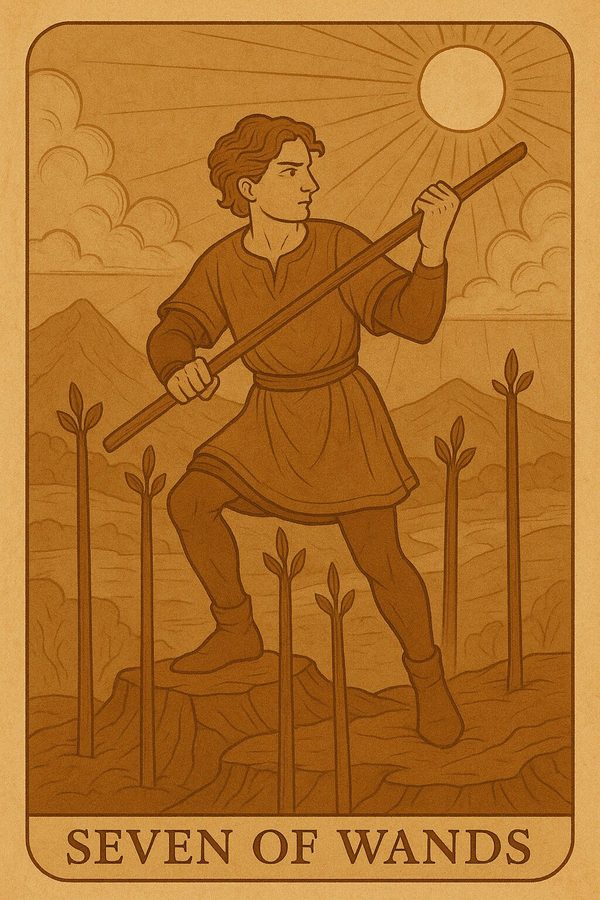
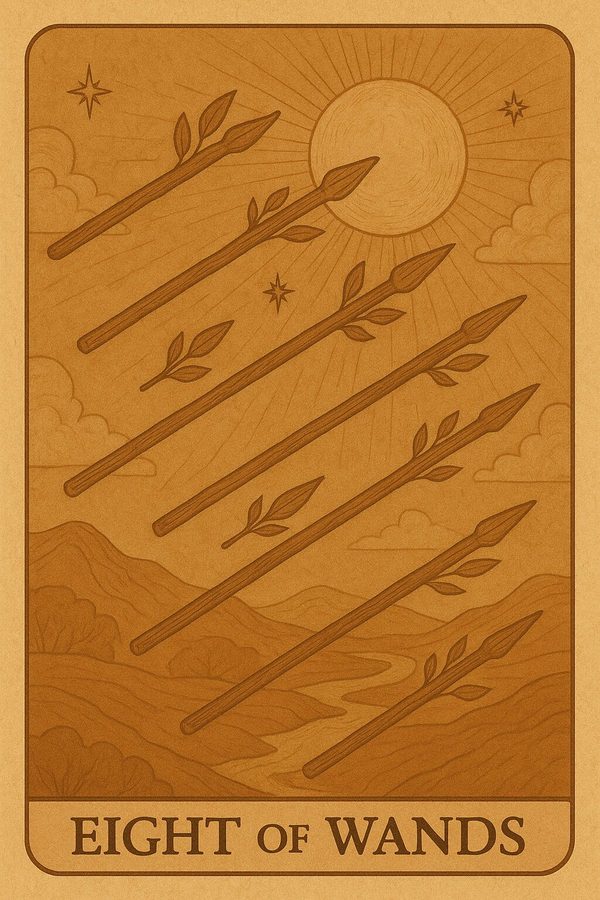
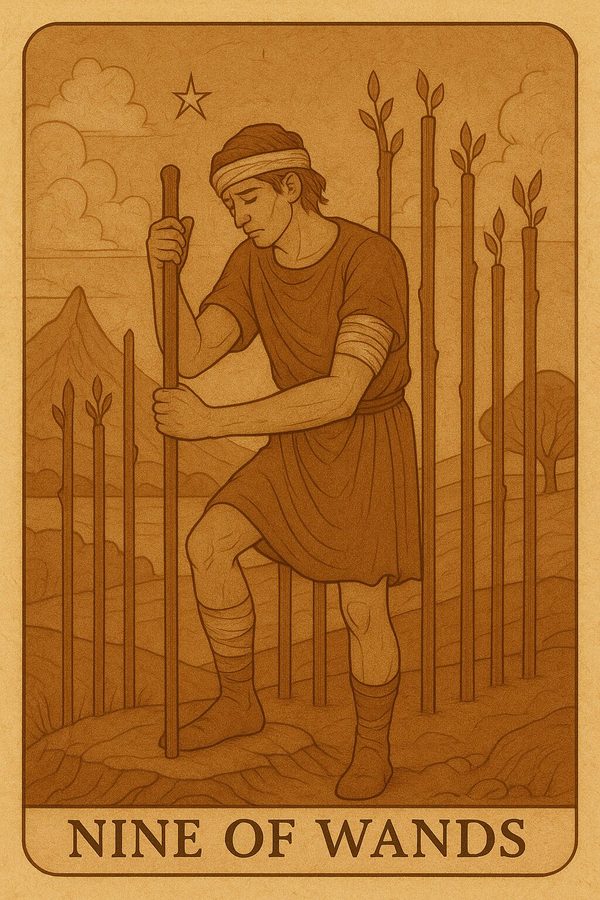
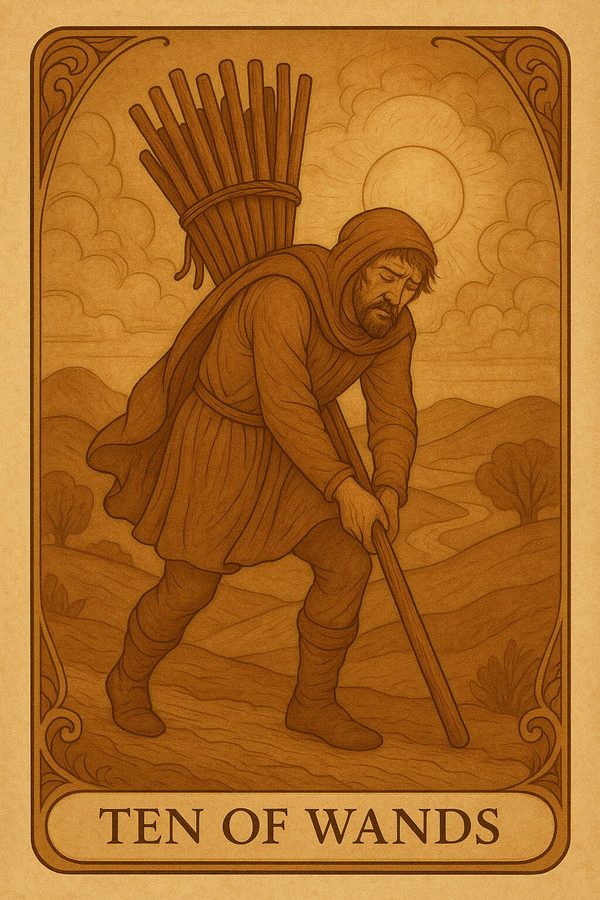
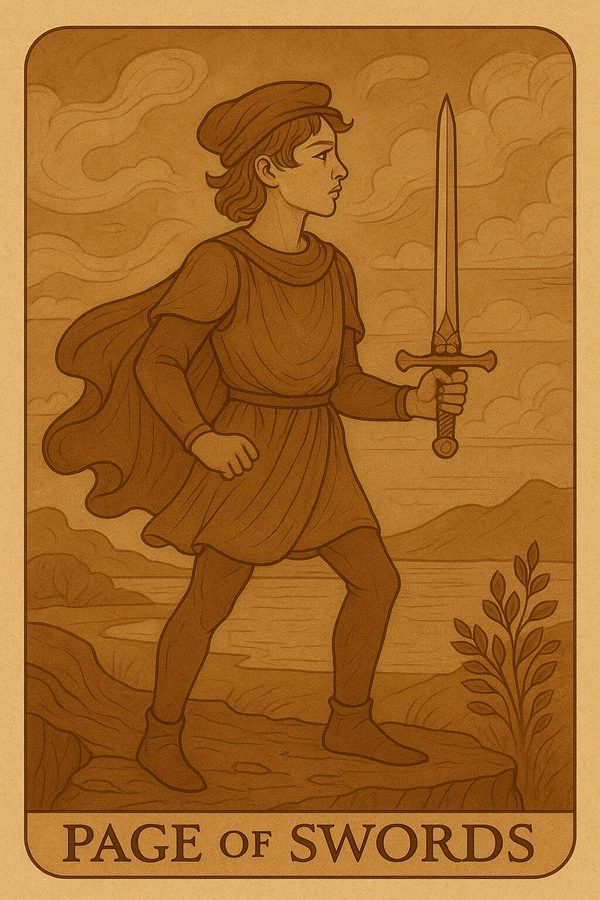
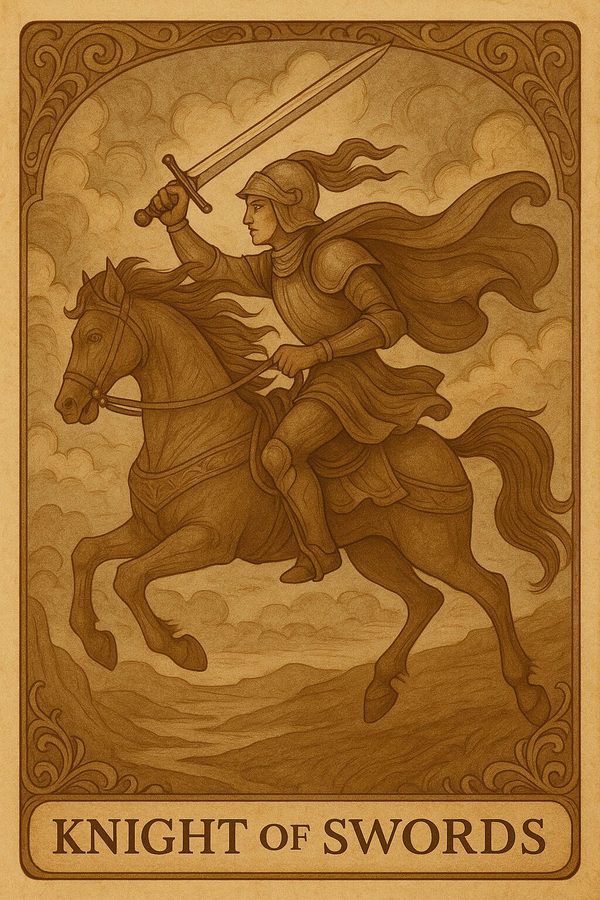
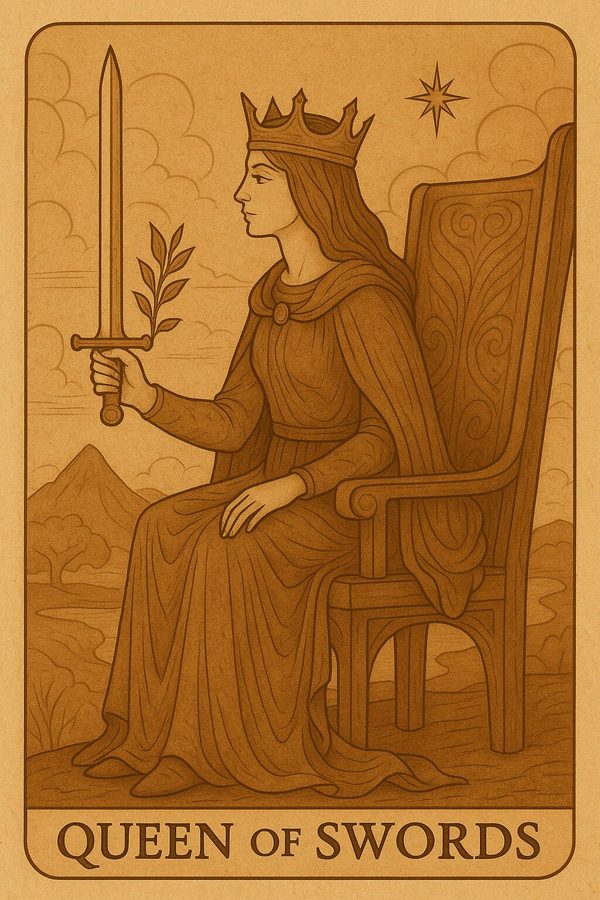
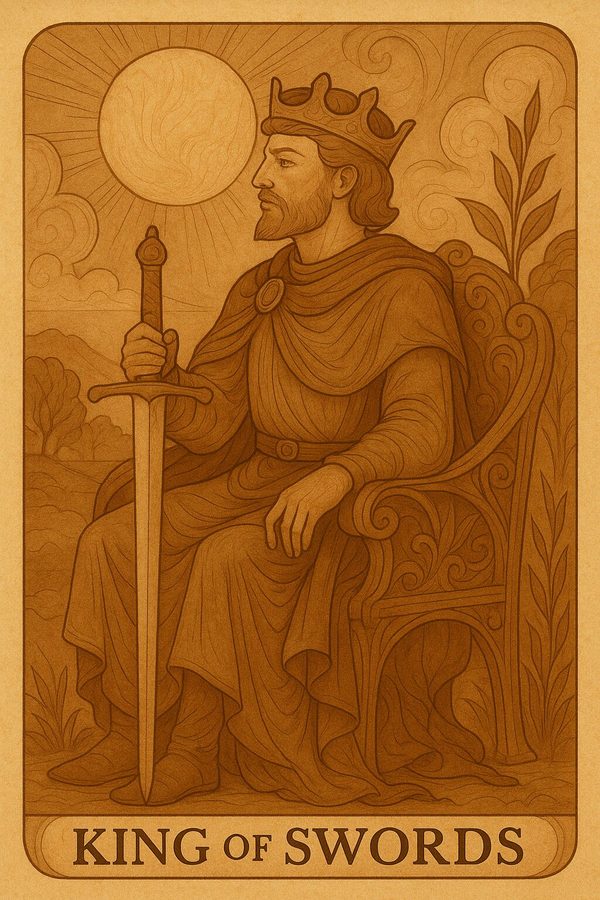
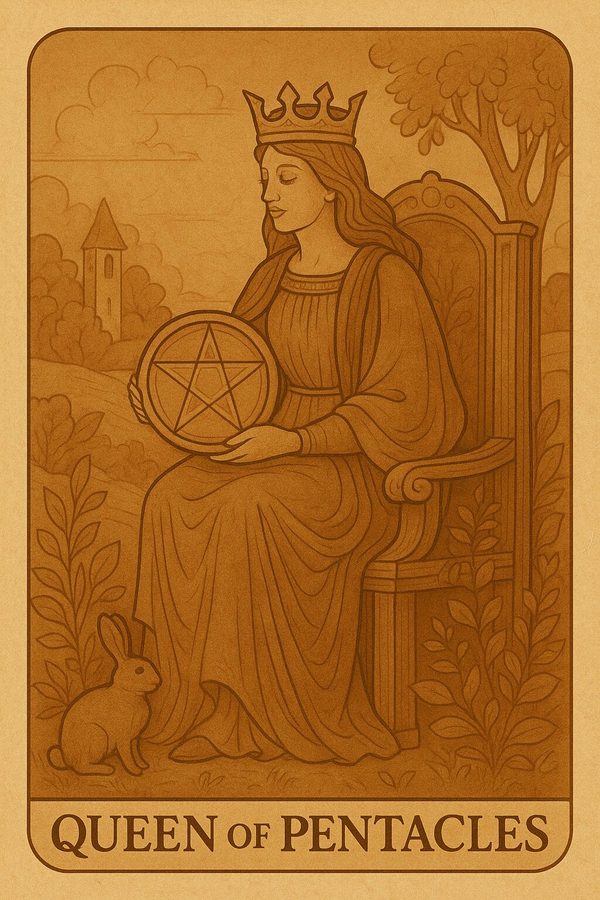
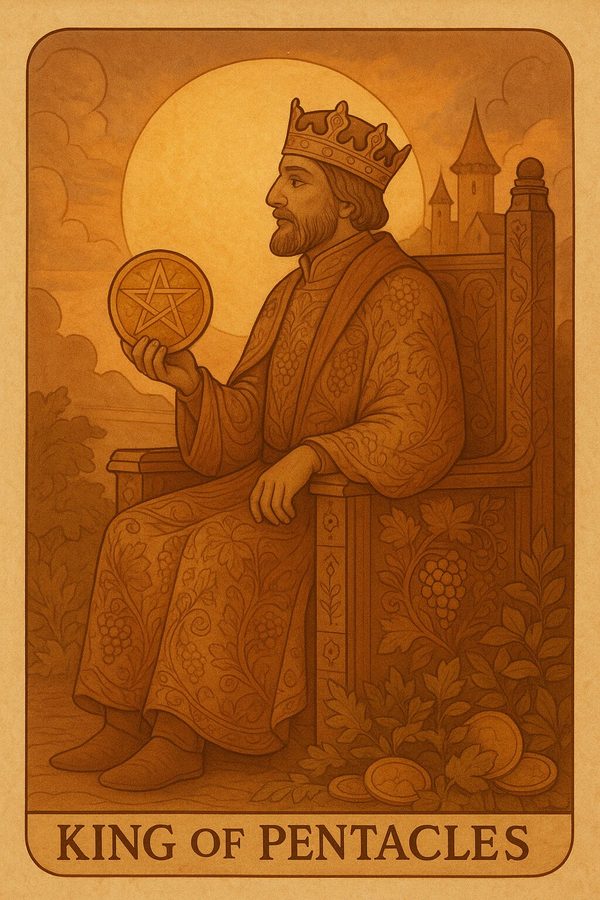
The deck was created by Heinrich Pangrau using OpenAI image generation. We say so openly: the author set the scene, symbols and character of every card, drawing on classic interpretations and his experience as a historian and tarot reader, and the neural network was the tool he drew with.
The goal was not to come up with “yet another pretty deck” but to make a deck that is easy to learn and read with: recognizable classic scenes, clear poses and gestures, a warm palette and details that hint at each card’s meaning. So an experienced tarot reader will easily recognize every card, and a beginner can read it from the image.
How the deck differs from Rider–Waite
Most of the cards follow the classics, but some have details you won’t find in other decks. On the card pages we break down the symbolism of our particular image separately.
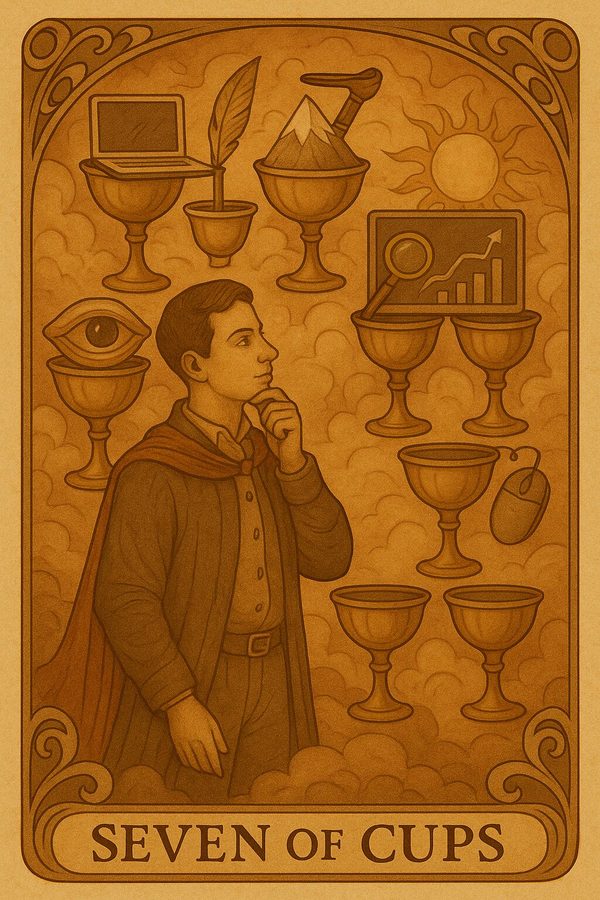
Instead of jewels, a snake and a castle, the cups hold a floating laptop and mouse, a screen with a rising chart, a feather, a mountain and an eye. The card of illusions and choice has become easy for a modern person to understand: this is exactly what temptations look like today.
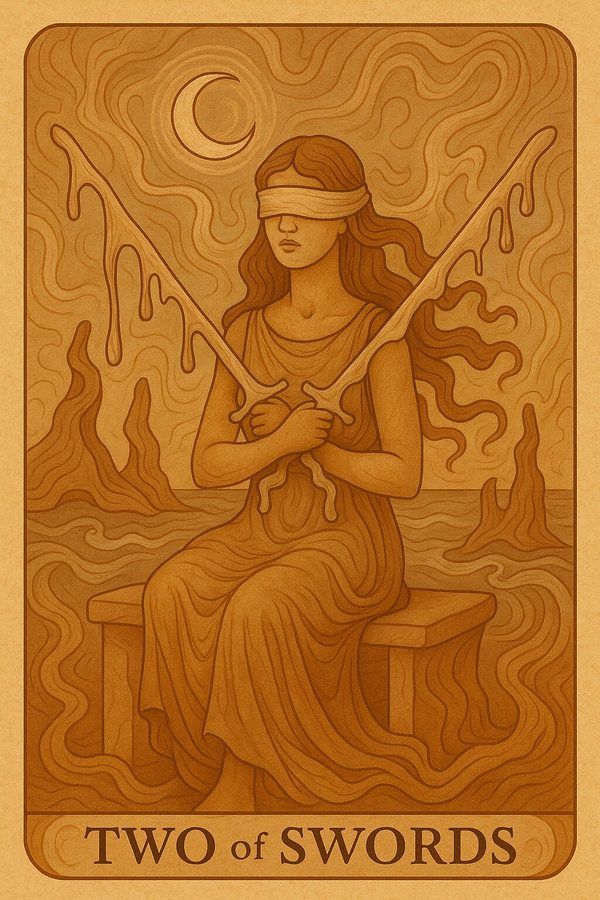
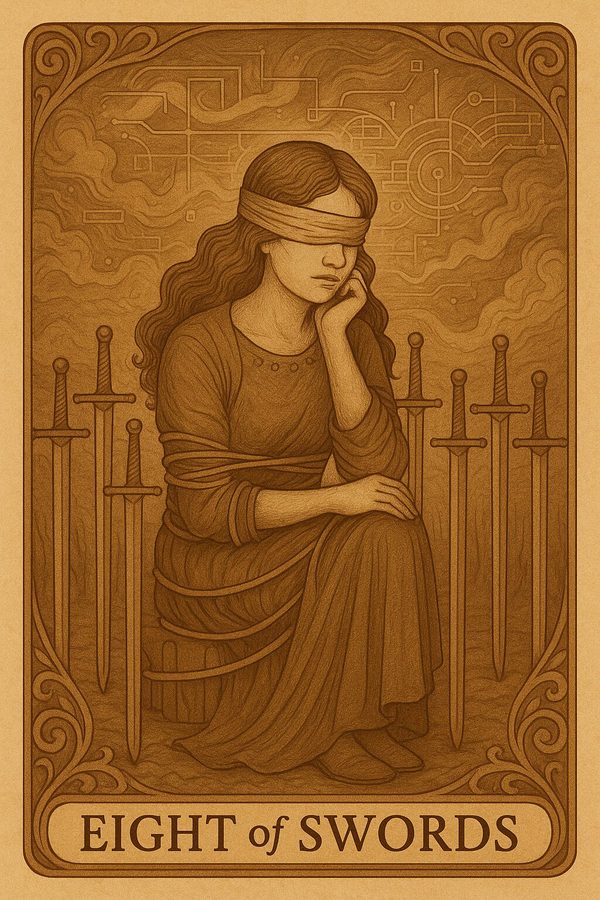
Above the blindfolded woman is a pattern that resembles a maze or a circuit board. The trap of one’s own thoughts is drawn literally.
The crossed swords seem to be melting and dripping. A postponed choice can’t last forever: the defense a person hides behind is already losing its shape.
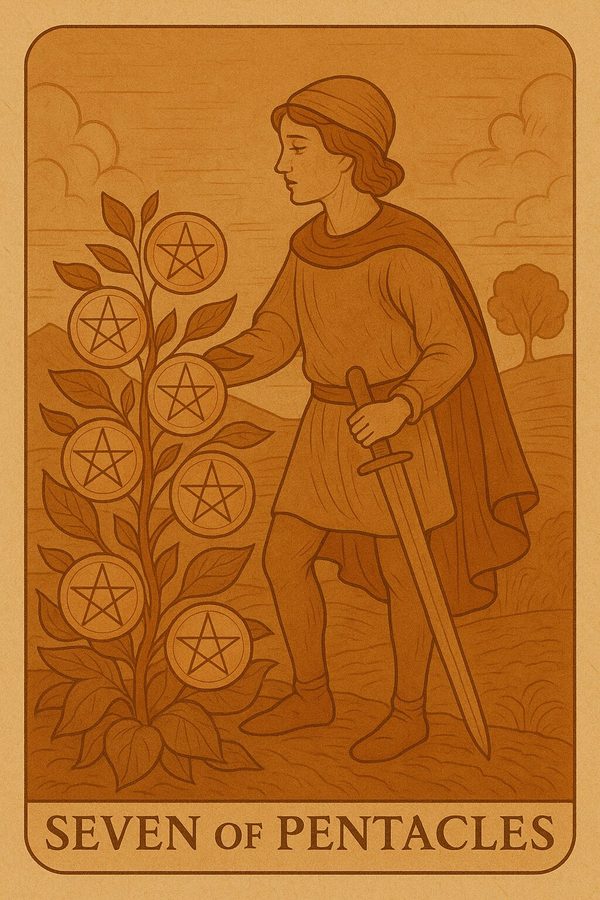
The young man by the bush of pentacles leans not on a garden tool but on a sword. Assessing the harvest also becomes a decision: what to keep and what to cut away.
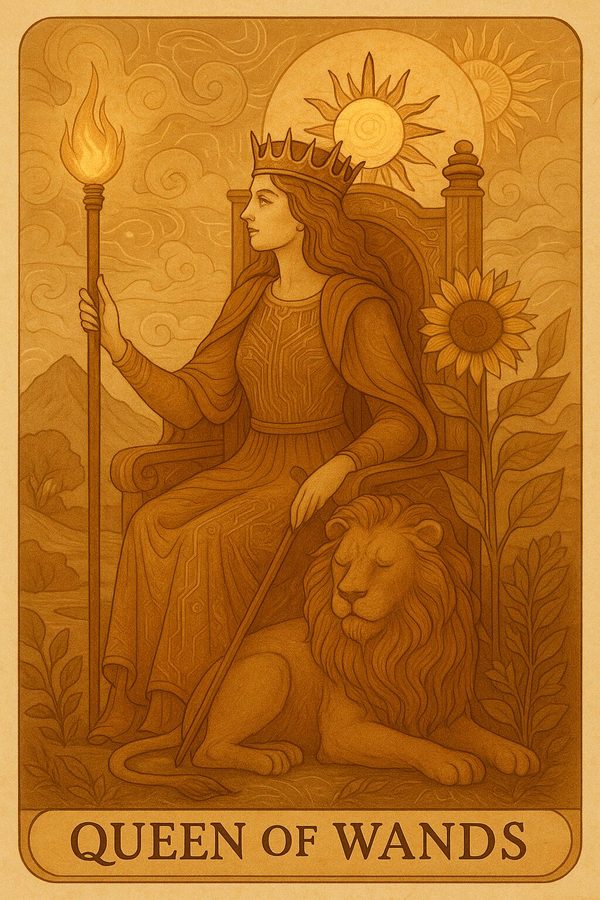
A flame burns at the tip of her wand, a calm lion lies at her feet, and two suns shine behind her. The fiery suit is shown through warmth rather than aggression.
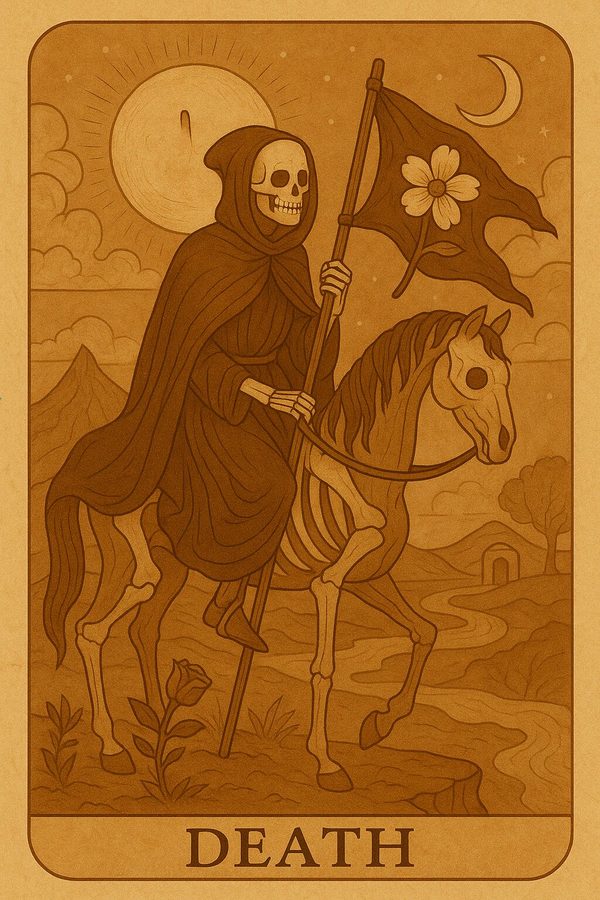
Death: no fallen kings
The rider passes through a living landscape, without the familiar figures of the dead king and bishop. The card of transition looks like a calm road, which is exactly how it is interpreted: the end of a stage, not destruction.
Copyright and use
The rights to the deck’s images belong to Heinrich Pangrau. You may view the images and use them for personal readings and learning. To publish the cards on other websites or on social media for commercial purposes, or to print the deck, contact the author via his Telegram channel @HeinrichPangrau (in Russian) or through the contact form.
More about the deck’s author is on the Heinrich Pangrau page.