Where the word “arcana” came from
The tarot cards themselves are older than the word. Tarot appeared in 15th-century Italy as a deck for a game with permanent trumps1. Divinatory interpretations began to take shape in the late 18th century: in 1781 Court de Gébelin published a commentary on the 22 trumps and linked them to ancient Egypt, and two years later Etteilla proposed a method of tarot reading2.
The use of the terms “plates” and “arcana” for tarot cards, which became standard in esoteric literature, is attributed to the French occultist Paul Christian (Jean-Baptiste Pitois, 1811–1877)2. In 1889 Oswald Wirth drew a series of 22 “Major Arcana”2, and over time the trumps came to be called the Major Arcana and the suits the Minor Arcana.
Major and Minor Arcana
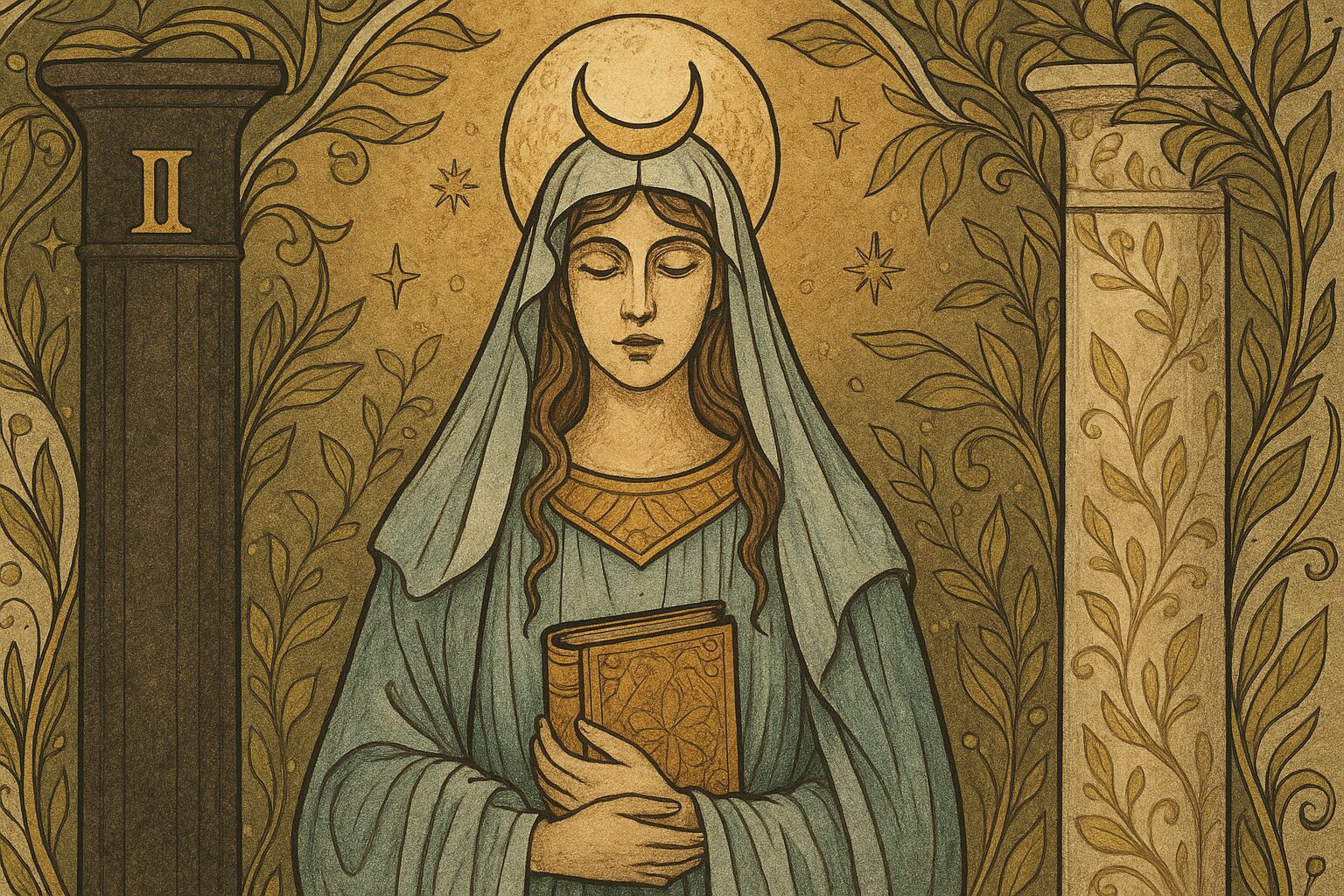
- Major Arcana — 22 cards with their own names and numbers from 0 to 211: The Fool, The Magician, The High Priestess and so on, up to The World. In a reading they speak of major events, life lessons and turning points.
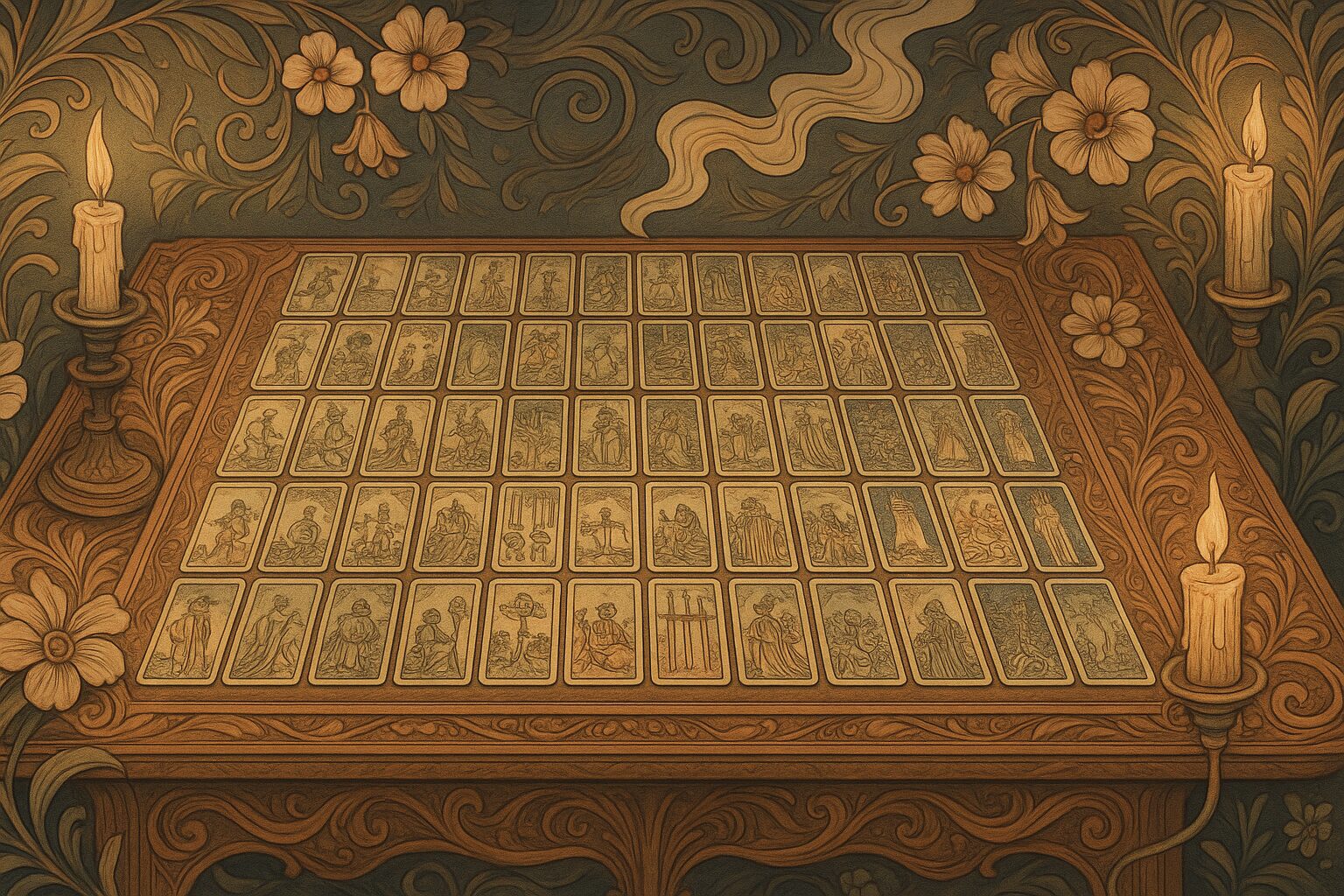
- Minor Arcana — 56 cards in four suits: Wands, Cups, Swords and Pentacles. Each suit has 10 number cards and 4 court cards. They describe everyday situations, feelings and actions.
Read more about what makes up a deck in the article “How many cards are in a tarot deck”.
Arcana in the destiny matrix
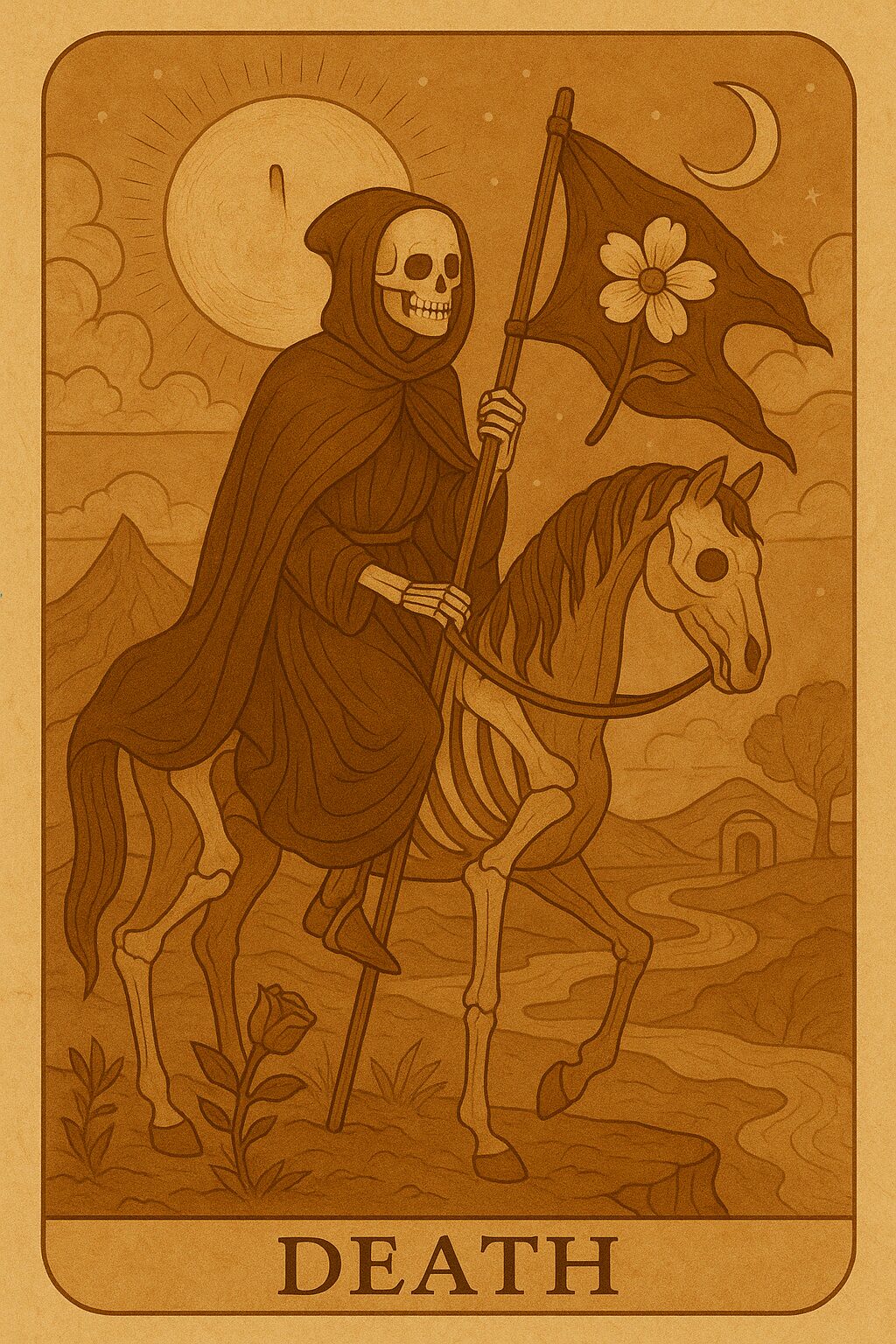
In the destiny matrix and other numerology systems, an “arcana” is a number from 1 to 22 that corresponds to a Major Arcana card. The numbers of a date of birth are added up and, if the sum is greater than 22, reduced to that range. Each point of the matrix gets its own arcana: for example, 6 is The Lovers, 15 is The Devil.
You can calculate your matrix and see the meaning of each arcanum on the Destiny matrix page, and all 22 meanings in the “Arcana N in the destiny matrix” sections.
Arcana by date of birth
This is the card you get from the sum of the digits of your date of birth. For example, for 25.12.1989 you add up all the digits of the date: 2 + 5 + 1 + 2 + 1 + 9 + 8 + 9 = 37; that is more than 22, so you subtract 22 and get 15, The Devil. This is the destiny arcanum. The personality arcanum is calculated from the day of birth: 25 − 22 = 3, The Empress. You can calculate your arcanum on the Arcana by date of birth page.
Different schools calculate the arcanum differently, so results may vary between calculators.
What “Arcana 15,” “Arcana 10” and so on mean
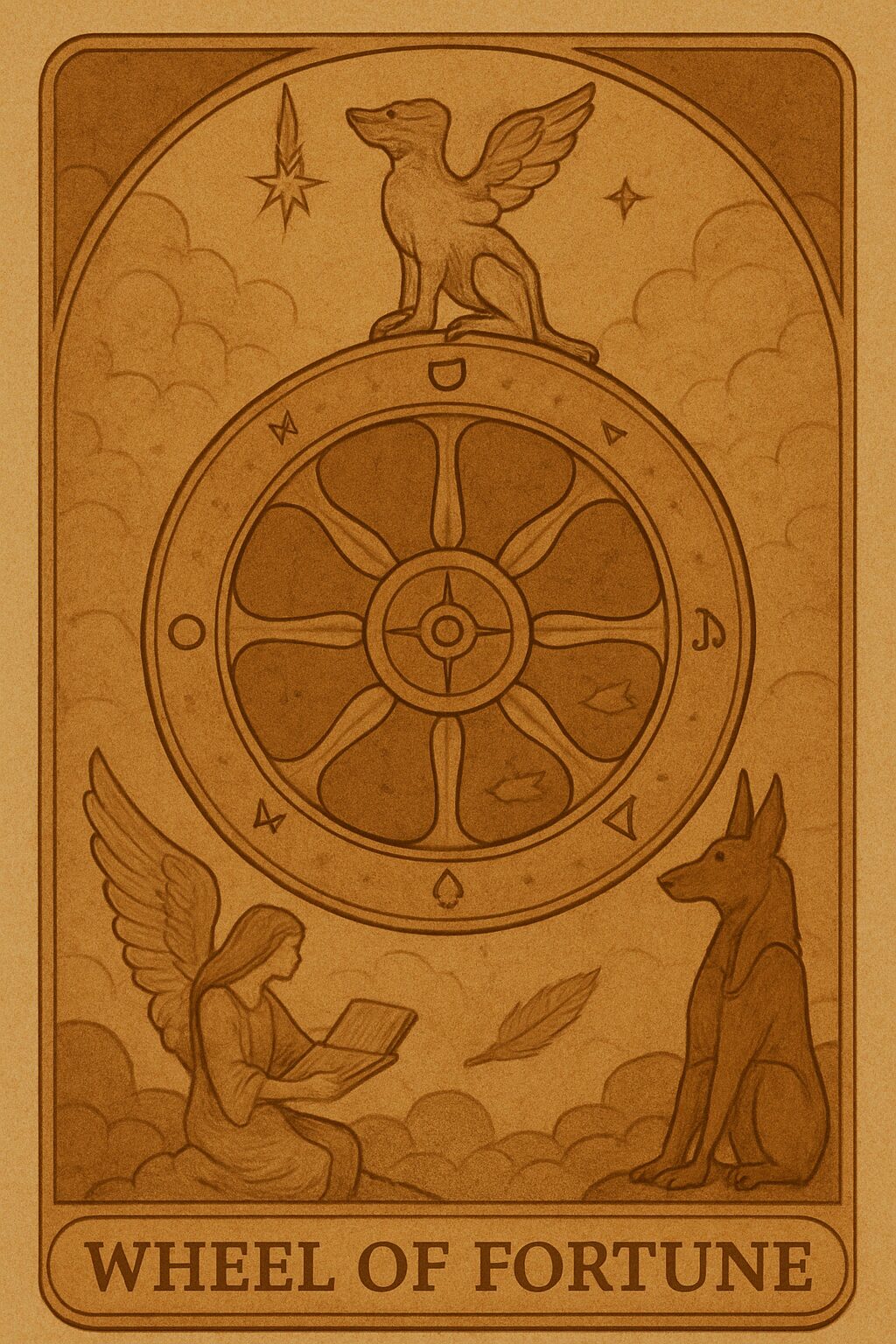
It is the Major Arcana card with that number. Arcana 15 is The Devil, 10 is Wheel of Fortune, 9 is The Hermit, 8 is Justice (that’s how numerology and older decks count it; in the Waite deck number VIII is Strength and Justice is XI)1, 7 is The Chariot, 6 is The Lovers, 5 is The Hierophant. The full list with descriptions is in the Major Arcana section.
What about “arcana” in games?
In video games, “arcana” refers to rare items or magic — a borrowing of the same Latin word for “secret.” Arcana in games has nothing to do with tarot cards.
Frequently asked questions
What is an arcanum in simple terms?
A tarot card. The word comes from the Latin arcanum, “secret.” There are 22 Major Arcana and 56 Minor Arcana1.
What is the difference between the Major and Minor Arcana?
The Major Arcana are 22 story cards numbered 0 to 21 that speak of major events. The Minor Arcana are 56 cards in four suits that speak of everyday matters.
What is an arcanum in the destiny matrix?
A number from 1 to 22 that corresponds to a Major Arcana card. Each point of the matrix gets its own arcana.
Who first called tarot cards arcana?
The use of the term is attributed to the French occultist Paul Christian (Jean-Baptiste Pitois, 1811–1877)2.
How this article was prepared
This text was written with the help of AI, based on the sources listed below and on the questions people actually search for. Every factual statement — about the history of decks, what a deck contains, what authors wrote — has a footnote. The text was then checked by a separate AI instance that took no part in writing it: it compared the facts with the footnotes, and errors were corrected. The English version is a translation of the original Russian article.
We describe reading practices — how to shuffle, charge or “cleanse” a deck — as traditions and habits of tarot readers, not as proven methods: there is no scientific evidence for divination. Read more on our editorial policy page. Found a mistake? Let us know via the contact form.
Sources
- Major Arcana — Wikipedia. The Major Arcana: number of cards, origins of tarot, the beginnings of occult interpretation en.wikipedia.org
- Le tarot divinatoire et occultiste — Encyclopædia Universalis. Court de Gébelin (1781), Etteilla, Paul Christian and the term “arcana”, Oswald Wirth (1889) universalis.fr